What is the meaning of India
Let’s learn about what is the meaning of India? India is a country that holds a special place in the hearts of millions of people around the world.
From its rich history and diverse culture to its vast landscapes, India is much more than just a name. Have you ever wondered, “What is the meaning of India?” Well, you’re not alone!
The name “India” has a fascinating story behind it, and understanding its meaning helps us appreciate the country’s deep historical roots and its vibrant present.
In this article, we’ll explore the true meaning of India, where the name comes from, and what it represents today.
Let’s dive in and discover what makes India such a unique and meaningful name!
What Does it Mean?
The name “India” refers to a country located in Southern Asia, but its meaning goes beyond just geography.
The name itself has historical, cultural, and symbolic significance that stretches back thousands of years.
The word “India” is derived from the Indus River, one of the major rivers of the Indian subcontinent.
The river was historically significant for early civilizations that settled around it, including the famous Indus Valley Civilization.
The name “India” has its roots in the Sanskrit word Sindhu, which was used to describe the Indus River.
Over time, the term Sindhu was adapted by different cultures and empires. The Persians, for example, referred to the region beyond the Indus River as Hindush.
This name gradually evolved into Hindustan in the Indian subcontinent, and eventually, the term “India” became more widely used to refer to the whole region.
In addition to being a geographical reference, the name “India” also signifies the diversity and unity of its people, culture, and history.
India is home to over a billion people, a wide variety of languages, religions, and traditions, all of which contribute to the meaning of India today.
The name represents not only a place on the map but also a rich, multifaceted identity that reflects the deep and diverse heritage of the Indian subcontinent.
So, in short, the name “India” carries with it the story of an ancient civilization, a vibrant and diverse society, and a country with a strong sense of identity.
It’s a name that connects the past with the present, symbolizing a rich cultural tapestry and the shared history of millions of people.
Definition of the Meaning of India
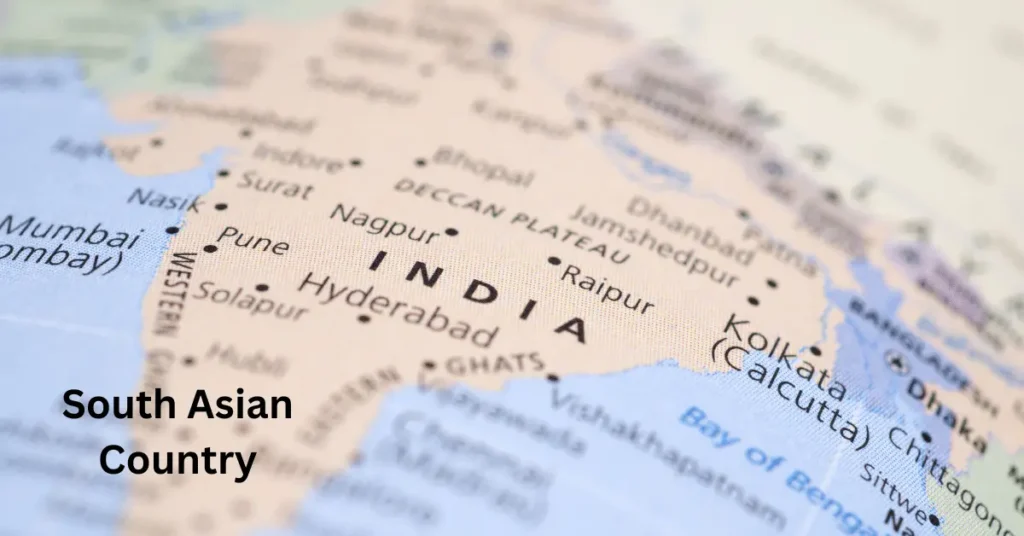
The meaning of India extends far beyond its geographical location. It represents a land rich in history, culture, and diversity.
At its core, India is a country located in Southern Asia, bordered by Pakistan, China, Nepal, Bhutan, Bangladesh, and Myanmar, with the Indian Ocean to the south.
However, the term “India” carries profound historical, cultural, and symbolic meanings that have evolved over centuries.
The name “India” is derived from the Indus River, which flows through the northwestern part of the country. The river was central to the development of one of the world’s oldest civilizations, the Indus Valley Civilization.
The Sanskrit word Sindhu, used to describe the river, gradually transformed through various languages and cultures into the term “India” that we recognize today.
India also represents the unity of a vast and diverse nation that consists of hundreds of languages, religions, and ethnic groups.
The name “India” signifies not just the land itself, but also the rich cultural heritage, historical significance, and modern-day power of the country.
Examples of What the Name “India” Represents
India as a Geographical Region
Geographical Location: The name “India” most directly refers to the country in Southern Asia, a vast land that is home to diverse ecosystems, ranging from the Himalayan mountain range in the north to the coastal plains and tropical forests in the south.
India is the seventh-largest country by land area and the second-most populous country in the world, with over a billion people.
Example: “India is known for its variety of landscapes, from the snow-capped peaks of the Himalayas to the sunny beaches of Goa.”
India’s Ancient Civilization
Historical Significance: India is also known for its ancient civilizations. The term “India” recalls the Indus Valley Civilization, one of the earliest urban cultures in human history.
The people of this civilization, which thrived around 2500 BCE, developed advanced systems of architecture, sanitation, and trade, laying the foundation for much of India’s culture.
Example: “The ancient city of Mohenjo-Daro, a part of the Indus Valley Civilization, is a testament to India’s rich historical heritage.”
Cultural Identity and Diversity
Cultural Symbol: The name “India” is synonymous with cultural diversity. India is a melting pot of languages, religions, festivals, and traditions.
It is home to over 2,000 distinct ethnic groups and more than 1,600 languages.
India is the birthplace of major religions like Hinduism, Buddhism, Jainism, and Sikhism, while also being home to millions of people who follow Islam, Christianity, and other faiths.
Example: “India’s cultural diversity is celebrated in its festivals like Diwali, Eid, and Christmas, each representing different religious and cultural traditions.”
Political and Economic Power
Modern-Day India: In recent times, the name “India” represents a powerful, rapidly developing nation on the global stage.
India has the world’s third-largest economy by purchasing power parity and is a major player in international politics, technology, and trade.
The country is also recognized for its space exploration achievements, with successful missions to the Moon and Mars.
Example: “India has become a global hub for technology and innovation, with companies like Infosys and Tata Consultancy Services leading the way.”
India’s Global Influence
Cultural Exports: The name “India” is also associated with global influence, particularly through its film industry, popularly known as Bollywood.
Indian films, music, dance, and art have found audiences worldwide, contributing to India’s soft power and global recognition.
Example: “Bollywood movies, with their colorful storytelling and music, have captivated audiences around the world, further spreading India’s cultural influence.”
The meaning of “India” is rich and multifaceted. From its historical roots in the ancient civilizations of the Indus Valley to its modern-day role as a global powerhouse, the name represents far more than just a country.
It symbolizes a place of deep historical significance, cultural diversity, and modern achievements. Whether one is referring to the land, the people, or the heritage, “India” carries with it a sense of pride, unity, and timeless importance.
Word Origin of “India”
The word “India” has an intriguing and complex origin that dates back thousands of years, evolving through different cultures, languages, and civilizations.
Its journey from the ancient past to the modern-day name we recognize today is deeply tied to the geography, people, and history of the Indian subcontinent.
Sanskrit Origin: “Sindhu”
The earliest root of the word “India” lies in the ancient Sanskrit word Sindhu, which referred to the Indus River, one of the longest and most significant rivers in South Asia.
The Indus River played a crucial role in the development of early civilizations in the region, particularly the Indus Valley Civilization (around 2500 BCE).
The river was central to trade, agriculture, and culture, and it was seen as a symbol of life and prosperity.
In ancient times, the term Sindhu was used to describe not just the river, but also the regions and lands surrounding it, encompassing parts of present-day Pakistan, northwestern India, and Afghanistan.
Persian Influence: “Hindush”
As the Indian subcontinent interacted with neighboring empires and cultures, the word Sindhu underwent transformations.
The Persian Empire, which ruled much of the region from the 6th century BCE, had difficulty pronouncing the “S” sound, often replacing it with an “H.” As a result, Sindhu became Hindhu or Hindush.
The Persians referred to the land and people beyond the Indus River as Hindush, marking the beginning of the broader geographical reference that would later come to be known as India.
Greek Influence: “Indos”
When Alexander the Great and his Greek army ventured into the Indian subcontinent in the 4th century BCE, they encountered the Indus River and the lands on its banks.
The Greeks adapted the Persian term Hindush into the word Indos. This was the Greek form of the name, which later contributed to the Latin version India.
The Greek use of Indos was not just a reference to the river but to the people and territories beyond it, expanding the scope of the term.
Latin Influence: “India”
As the Roman Empire began to trade with the Indian subcontinent, the name Indos found its way into Latin, where it evolved into India.
The term “India” was used by the Romans to refer to the lands and peoples in the subcontinent, stretching beyond the Indus River into the vast territories of the Indian subcontinent.
The Roman concept of India was largely shaped by the exotic goods and wealth that came from trade routes, and the name became associated with the mysterious, distant lands to the east.
Arabic Influence: “Al-Hind”
During the Islamic conquests in the 7th century, Arab traders, scholars, and travelers further solidified the use of the name Hind (a variation of Hindush) to refer to the Indian subcontinent.
In Arabic, the term “Al-Hind” came to represent the region that was known for its vast wealth, ancient culture, and unique customs.
Arabic-speaking people spread the name across the Middle East and parts of Europe.
Modern Usage: “India”
By the time European explorers and colonial powers arrived in India, the name “India” was already well established in the Western world.
The British, who colonized India in the 19th century, used the name India to refer to the entire subcontinent, including present-day India, Pakistan, Bangladesh, and parts of Afghanistan.
After India gained independence in 1947, the name continued to symbolize the newly sovereign nation, and it remains in use today.
Cultural Significance of the Name
Throughout history, the name “India” has come to symbolize not just a geographical entity, but a rich cultural and historical heritage.
The word “India” carries with it the legacy of the Indus Valley Civilization, the vast empires of ancient India, the diversity of its religions, languages, and cultures, and its transformation into a modern-day democratic republic.
The origin of the word “India” is a fascinating journey through time and cultures, shaped by the river that gave the country its name, the empires that influenced it, and the languages that transformed it.
From the Sanskrit Sindhu to the Persian Hindush, the Greek Indos, and the Latin India, this name evolved to represent a vast, diverse, and historically rich land.
Today, “India” stands not only as a country but as a symbol of ancient civilizations, cultural richness, and a modern powerhouse.
FAQs
What is the meaning of the name India?
The name “India” is derived from the Indus River, which flows through the northwestern part of the country. The term originated from the Sanskrit word Sindhu, which referred to the river. Over time, the word evolved through Persian, Greek, and Latin influences, eventually becoming “India.” The name represents not only the geographical region but also the rich cultural and historical heritage of the country.
Why is India called India?
India is called India because the name is linked to the Indus River, which played a key role in the development of ancient civilizations, particularly the Indus Valley Civilization. As the region came into contact with various cultures, the name evolved through different languages, and eventually, the term “India” became widely used to describe the entire subcontinent.
What was India called before it was named India?
Before the name “India” became widespread, the region was known by several different names. The ancient Sanskrit term Bharat (also Bharatvarsha) was used to refer to the Indian subcontinent, and it remains an official name for India today in many Indian languages. Additionally, during ancient times, the area along the Indus River was often called Sindhu, which evolved into Hindustan in Persian and later to India in European languages.
What does India represent?
India represents a vast, diverse country with a rich cultural, historical, and spiritual heritage. It is home to over a billion people, speaking thousands of languages and practicing a variety of religions. India symbolizes a blend of ancient traditions and modern advancements, with its unique cultural identities, historical landmarks, and its role as a global power in the fields of technology, economy, and diplomacy.
Is the name India used in other languages?
Yes, the name “India” is used in many languages across the world, though it may have slight variations. For example, in Hindi, the country is called India or Bharat. In Spanish and French, it’s referred to as India. Different cultures and languages have slightly different pronunciations, but the root of the name always traces back to the Indus River and its historical significance.
Conclusion
In conclusion, the meaning of “India” is deeply rooted in history and culture. The name originates from the Indus River, which played a central role in the development of ancient civilizations in the region.
Over time, the word evolved through various languages, including Sanskrit, Persian, Greek, and Latin, to become the name we use today.
India is not just a country; it represents a land rich in diversity, history, and cultural heritage.
From its ancient roots to its modern-day significance, the name “India” carries a legacy that connects the past with the present, symbolizing a vibrant and powerful nation.
Extra Points on the Meaning of India
- India’s Ancient Civilization: The name “India” is closely tied to one of the world’s oldest civilizations, the Indus Valley Civilization, which flourished around 2500 BCE. This civilization, known for its advanced cities like Harappa and Mohenjo-Daro, played a major role in shaping the history and culture of India.
- Cultural Diversity: India is known for its immense cultural diversity. It’s a country where hundreds of languages are spoken, a variety of religions are practiced, and countless festivals are celebrated. The name “India” symbolizes this vast mosaic of traditions and customs.
- Geographical Significance: Geographically, India is a land of contrasts. From the snow-capped peaks of the Himalayas to the sunny beaches of the south, India is home to a wide variety of landscapes and ecosystems, making it one of the most diverse countries in terms of nature.
- Spiritual Legacy: India is the birthplace of major religions like Hinduism, Buddhism, Jainism, and Sikhism. The name “India” also represents the spiritual legacy that has influenced millions of people worldwide, making it an important center for philosophical and religious thought.
- Modern-Day Influence: Today, India is one of the fastest-growing economies in the world. The name “India” not only represents a rich cultural history but also the country’s modern achievements in technology, space exploration, and global diplomacy.