Wanker Meaning

If you’ve ever heard the word “wanker” and wondered what wanker meaning is, you’re not alone! The term is often used in casual conversations, especially in British slang, but it can be a bit confusing if you’re not familiar with it.
Simply put, “wanker” refers to a person who masturbates, but it’s also commonly used as an insult.
Whether you’re hearing it in movies, TV shows, or from friends, the word carries different meanings depending on the context.
In this article, we’ll break down what “wanker” means, where it comes from, and how it’s used today. Let’s dive in!
What Does “Wanker” Mean?
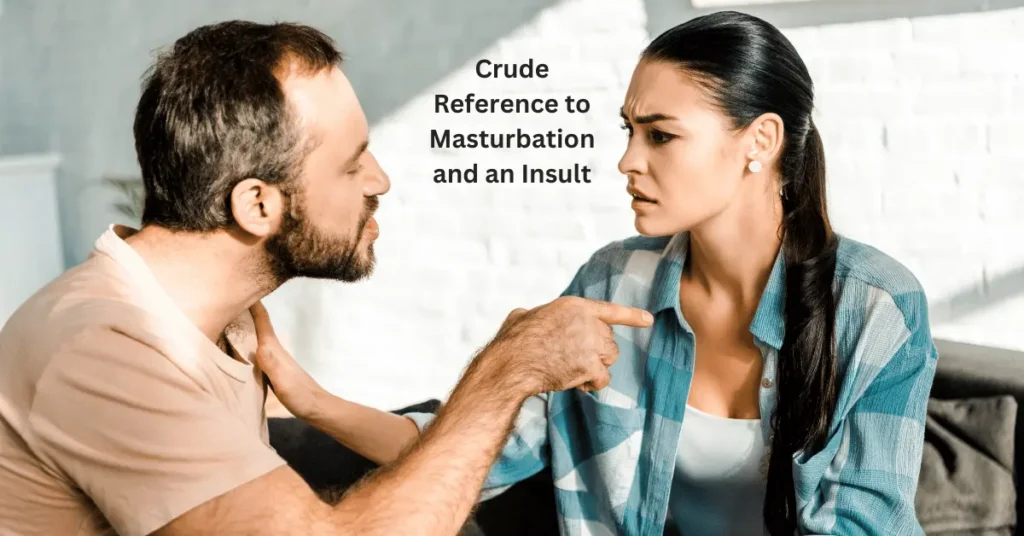
The word “wanker” is a slang term that has a few different meanings depending on how it’s used, but it is most commonly associated with two main ideas: a crude reference to masturbation and an insult.
Masturbation Reference
At its most basic, the term “wanker” is used to describe someone who masturbates. In this sense, it’s a vulgar term often used in British English to refer to the act of self-pleasure.
The word itself is derived from the verb “wank,” which is an informal way of saying “to masturbate.”
Insult or Derogatory Term
More commonly today, “wanker” is used as an insult to describe someone who is unpleasant, obnoxious, or generally disliked.
If someone is called a “wanker,” it often means they are being judged as selfish, arrogant, or foolish in some way.
It’s a term that carries a lot of negative connotations and is typically used when someone feels frustrated with another person or wants to insult them in a harsh, direct way.
For example, you might hear someone say, “He’s such a wanker!” when they want to express disapproval of someone’s actions, behavior, or attitude.
It doesn’t necessarily mean the person is literally engaging in any inappropriate behavior — it’s more of a way to show that the person is being a jerk or acting in a way that is annoying or disrespectful.
It’s important to note that the intensity of the insult can vary depending on who is using it, the tone of voice, and the relationship between the speaker and the person being described.
In some cases, it might be used playfully or jokingly between friends, while in others, it could be much more serious and intended to hurt.
Definition of “Wanker”
“Wanker” is a vulgar slang term primarily used in British English. It has two key meanings:
A Person Who Masturbates
The original and literal meaning of “wanker” refers to someone who masturbates. It’s derived from the verb “wank,” which is an informal and crude term for self-pleasure. This usage is considered very rude and is typically used in casual, informal settings.
An Insult or Derogatory Term
Over time, “wanker” evolved into a more figurative insult, often used to describe someone perceived as foolish, arrogant, or unpleasant.
It’s commonly used in British slang to refer to someone whose actions are annoying, self-centered, or irritating. When directed at someone, calling them a “wanker” implies disapproval of their behavior or personality.
Examples of “Wanker” in Use
Literal Meaning (Masturbation)
“He’s always talking about how he’s a wanker; it’s just a bit too much.”
In this context, the word is being used in a literal sense, referring to someone who frequently masturbates or discusses the topic in an explicit manner.
Insult (Criticizing Someone’s Behavior)
“That guy cut in front of me in the line and didn’t even say sorry. What a wanker!”
Here, the speaker is using “wanker” as an insult to describe someone who is rude and inconsiderate.
“Stop acting like such a wanker and help me out with this!”
This example shows how “wanker” can be used to describe someone acting foolishly or unhelpfully in a frustrating situation.
Playful or Lighthearted Use
“Oh, come on, you silly wanker, let’s get going!”
In this example, the word “wanker” is being used in a playful, almost affectionate way between friends. It’s not meant to be harsh but rather to tease someone in a fun manner.
Stronger Insult
“He’s a complete wanker for ditching us at the last minute after all we did for him.”
In this case, the speaker is expressing anger and frustration with someone who has acted selfishly or ungratefully.
Note on Usage
- Tone Matters: The way “wanker” is received can depend a lot on the tone and the relationship between the people involved. Among friends, it might be seen as playful or joking, but in a more formal or unfamiliar setting, it can come across as rude and offensive.
- Regional Differences: While “wanker” is most common in British English, it has made its way into the slang of other English-speaking countries like Australia and New Zealand, though it might not be as widely used in places like the U.S.
Word Origin of “Wanker”
The term “wanker” has a rich history in the English language, particularly within British slang.
It’s a word that has evolved in both meaning and usage over time, and its origin traces back to early 20th-century slang.
Root Word: “Wank”
The word “wanker” comes from the verb “wank,” which is a crude term meaning “to masturbate.”
“Wank” itself is believed to be derived from the Old English word “wancian,” which meant “to be weak or wobbly.”
This likely refers to the weakness or lack of control one might feel during masturbation, though the connection is speculative.
The word “wank” is first documented in English as a slang term in the late 19th century, primarily in British working-class speech.
Evolution into “Wanker”
The transformation from “wank” to “wanker” happened as the word began to be used not just to describe the act of masturbation, but also to insult a person.
In the early 20th century, the term “wanker” was used as a term for someone who masturbates, and it was quickly adopted as an insult.
People who were seen as foolish, annoying, or self-centered might be called a “wanker.” Over time, this meaning grew in popularity and was used widely as a derogatory term in British slang.
The term has often carried a sense of disapproval, indicating that the person in question was selfish, irritating, or simply unpleasant.
Regional Popularization
While the term originated in the UK, its use expanded in the 20th century to other English-speaking countries like Australia and New Zealand.
In these places, “wanker” became a common insult in everyday language. The use of the word also grew in pop culture, especially in television shows, movies, and music, helping to cement its place in informal slang.
Impact of British Media
The word “wanker” became internationally recognized in the 1960s and 1970s, largely due to its frequent use in British television and films.
This helped spread the term beyond its original regional boundaries, even though it remained more common in the UK and Australia.
Its widespread use helped ensure that even non-British English speakers became familiar with the word.
In summary, the word “wanker” has its roots in the 19th-century British slang word “wank,” which originally referred to masturbation.
Over time, it evolved into a derogatory term that could describe someone who was foolish, arrogant, or unpleasant.
It gained popularity in British slang in the 20th century and spread to other English-speaking regions, becoming a well-known insult today.
Though its meaning is often cruder and more offensive in certain contexts, it can sometimes be used humorously among friends or in less serious situations.
FAQs
What does “wanker” mean?
“Wanker” is a vulgar slang term that originates from British English. It has two main meanings:
It refers to someone who masturbates (a crude term for self-pleasure).
More commonly, it is used as an insult to describe someone who is obnoxious, arrogant, foolish, or generally disliked. It implies that the person is unpleasant or socially inconsiderate.
Is “wanker” offensive?
Yes, “wanker” is generally considered an offensive term. It can be seen as crude, especially when used in its literal sense to refer to masturbation. However, it can also be used less harshly in a playful or joking context among friends. Despite this, it’s a word that should be used with caution, particularly in professional or formal settings.
Where did the term “wanker” originate?
The word “wanker” comes from the British slang term “wank,” which is a vulgar way of saying “to masturbate.” The word “wank” likely dates back to the late 19th century. It is thought to have originated from the working-class dialects of the UK, with some sources suggesting it may be related to the Old English word “wancian,” meaning “to be weak or wobbly.”
Can “wanker” be used in a friendly way?
Yes, in some informal contexts, “wanker” can be used in a lighthearted or playful way, especially between close friends or in casual settings. For example, a friend might jokingly call someone a “wanker” when they do something silly. However, it’s important to know your audience because the term can easily be interpreted as an insult if used incorrectly.
Is “wanker” used only in the UK?
While “wanker” originated in the UK, it is also commonly used in countries like Australia and New Zealand. The term has even spread to other English-speaking regions, though it is less frequently used in the United States. The word has become more widely recognized due to British pop culture, such as films and TV shows, which have helped introduce it to a global audience.
Conclusion
In conclusion, “wanker” is a slang term with a crude meaning, originally referring to masturbation, but it is more commonly used as an insult to describe someone who is unpleasant, arrogant, or annoying.
While the word is widely used in British English, it has spread to other countries like Australia and New Zealand.
Though it can sometimes be used playfully among friends, it’s generally considered offensive, so it’s important to be mindful of when and how you use it.
Whether you’re hearing it in movies, TV shows, or everyday conversation, now you have a better understanding of what “wanker” really means!
Extra Points
- A Common British Slang: “Wanker” is one of the most well-known British slang words. It’s often heard in TV shows, movies, and casual conversations. While it’s popular in the UK, it’s also used in places like Australia and New Zealand.
- A Word with Many Uses: Although “wanker” is mostly used as an insult, it can be used in different ways depending on the situation. Among friends, it can be said playfully to tease someone, but in other contexts, it can be a serious way to express anger or frustration.
- Pop Culture Influence: Many British movies, shows, and songs have helped spread the use of the word “wanker” around the world. It has become a part of popular culture, which is why so many people recognize it even if they don’t use it themselves.
- Be Cautious with Your Audience: Since “wanker” is considered offensive, it’s important to be careful when using it. It’s usually best to avoid using it in formal settings or with people you don’t know well. It can come off as disrespectful or rude if not used in the right context.
- Similar Words: There are many other words in English that serve as insults similar to “wanker,” like “jerk,” “idiot,” or “tool.” While they may be less offensive, they can still hurt someone’s feelings, so it’s always good to think before speaking.