URN Meaning
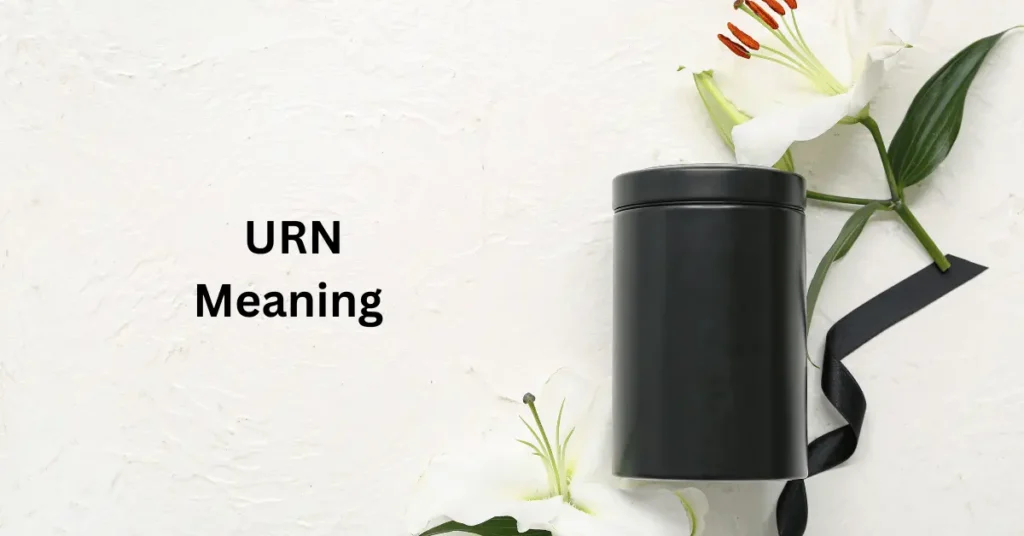
Have you ever heard the word “urn” and wondered what urn meaning is? You might have seen urns in homes, gardens, or even in historical places.
But what exactly is an urn, and why is it important? In this blog, we’ll explore urn meaning, its history, and how it is used in different ways.
Let’s dive in and learn more about this unique and meaningful container!
What Does It Mean?
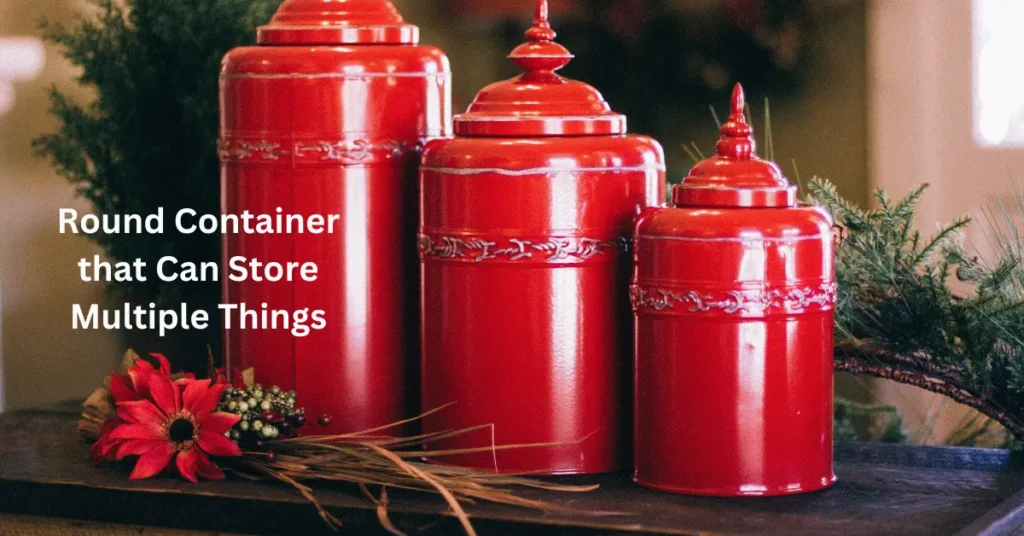
The word “urn” refers to a large, round container that can serve multiple purposes. Traditionally, an urn is designed with a wide body, a narrow neck, and a lid, making it both functional and decorative.
Urns can be made from various materials such as ceramic, metal, glass, stone, or even wood, depending on their intended use.
One of the most well-known uses of an urn is in funeral and memorial practices, where it serves as a vessel for holding the ashes of a deceased person after cremation.
However, urns have been used for much more than this throughout history. They have played an important role in storage, ceremonies, and even art in many cultures.
Urns are often beautifully designed, featuring engravings, patterns, or symbolic decorations that reflect their purpose.
In modern times, urns are not only used for cremation but also as decorative elements in homes and gardens, where they add an artistic touch.
In summary, urns are versatile containers that hold historical, cultural, and emotional significance.
Whether used for remembrance, decoration, or storage, they continue to be an important part of human traditions and daily life.
Urn Meaning: Definition and Examples
Definition of Urn
An urn is a large, rounded container that is typically used for holding ashes, storing liquids, or serving as a decorative piece.
It often comes with a lid and can be made from various materials like ceramic, metal, glass, stone, or wood.
The word “urn” is commonly associated with funerary urns, which store the cremated remains of a person, but urns have historically been used for many other purposes, such as holding water, grains, or even serving as artistic decorations.
Examples of Urn Meaning in Different Contexts
Funeral and Cremation Urn
The most well-known use of an urn is in funerals, where it holds the ashes of a loved one after cremation. These urns are often made of metal, ceramic, or stone and can be engraved with names, dates, or messages.
Example: After her grandfather passed away, Sarah placed his ashes in a beautifully engraved bronze urn.
Decorative Urn
Many people use urns as decorative pieces in homes, gardens, and public places. These urns may be filled with flowers, candles, or simply used as artistic elements.
Example: The large stone urn in the garden was filled with colorful flowers, adding a classic touch to the landscape.
Ancient and Historical Urns
In ancient civilizations like Greece, Rome, and China, urns were used to store food, water, oils, and even ashes. Many historical urns have been discovered in archaeological sites, showcasing their importance in early societies.
Example: Archaeologists found a 2,000-year-old urn containing remains from an ancient Roman burial site.
Tea or Coffee Urn
In some places, the term “urn” is also used for large containers that dispense beverages, such as tea or coffee, especially in hotels or large gatherings.
Example: The catering service provided a large stainless steel coffee urn for the wedding guests.
The meaning of urn goes beyond just cremation. It is a symbol of preservation, tradition, and even beauty in various cultures and settings. Whether holding ashes, flowers, or beverages, an urn continues to be an important object in both personal and public spaces.
FAQs
What is the main purpose of an urn?
An urn is primarily used as a container for holding ashes after cremation. However, urns also serve decorative, historical, and functional purposes, such as storing liquids, grains, or being used as artistic objects in homes and gardens.
What materials are urns made from?
Urns can be made from various materials, including ceramic, metal, stone, wood, glass, and even biodegradable materials. The choice of material depends on the purpose of the urn, whether it’s for memorial use, decoration, or storage.
Are urns only used for funerals?
No, urns are not limited to funerals. While funeral urns are the most well-known type, urns are also used in gardens, homes, museums, and even religious ceremonies. Some urns are designed simply for decoration or storage.
What is the difference between an urn and a vase?
An urn is usually larger, has a lid, and is used for storage or memorial purposes, while a vase is primarily used for holding flowers and typically has an open top. However, some urns can also be decorative like vases.
Can urns be personalized?
Yes! Many urns can be customized with engravings, names, dates, or special designs to honor a loved one or match a specific decorative style. Personalized urns are commonly used in memorials and remembrance ceremonies.
Conclusion
Urns are more than just containers—they hold history, emotions, and beauty.
Whether used for storing ashes, decorating homes, or preserving important items, they have been a part of human culture for centuries.
From ancient civilizations to modern times, urns continue to serve both practical and symbolic purposes.
No matter the use, an urn always represents preservation, respect, and elegance.
Extra Points
✅ Urns come in many shapes, sizes, and materials—from simple designs to beautifully crafted artistic pieces.
✅ Not all urns are for cremation! Some are used as flower pots, drink dispensers (like coffee urns), or even historical artifacts.
✅ Urns can be personalized with engravings, patterns, or messages to make them more meaningful.
✅ Urns are widely used in different cultures—from ancient Egypt to modern-day memorials.
✅ They add an elegant touch to home décor and gardens, often used as stylish decorative pieces.