Twerk Meaning
Twerking has become a popular dance move in recent years, often seen in music videos and on social media. But what exactly does “twerk meaning” refer to?
It’s a term that’s been buzzing around, but its true definition and origins might surprise you.
Whether you’ve seen it on the dance floor or heard about it from friends, twerking involves a unique and attention-grabbing style of dancing.
In this blog post, we’ll break down what twerk meaning, where it came from, and why it’s such a cultural phenomenon today. Let’s dive into the world of twerking!
What Does it Mean?
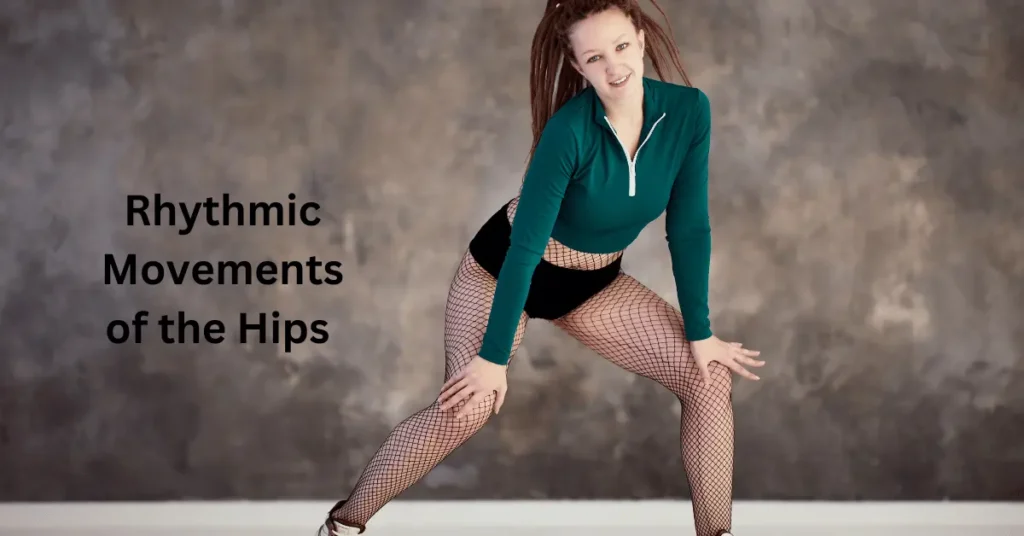
When we talk about “twerk meaning,” we’re referring to a style of dance that focuses on rapid, rhythmic movements of the hips and buttocks.
This type of dancing typically involves squatting low to the ground and then thrusting the hips in a quick, repeated motion.
The key feature of twerking is the emphasis on shaking or gyrating the buttocks, which creates a noticeable, often exaggerated movement.
Though twerking can look playful and fun, it is widely considered a sexually suggestive dance move due to its focus on the lower body and the way it highlights the buttocks.
It’s often performed to upbeat, fast-paced music, especially in genres like hip-hop, reggaeton, and dancehall.
While it can be done casually in dance settings or parties, twerking has also been used as a form of self-expression, showcasing confidence and body positivity.
In popular culture, twerking has been embraced in many settings, but it has also sparked debates about its appropriateness and the way it’s portrayed.
Despite the controversy, it remains a popular and recognized dance move worldwide.
Twerk Meaning: Definition and Examples
At its core, the twerk meaning is about a specific type of dance move that involves rapid, repetitive movements of the hips and buttocks. Typically, the dancer lowers their body into a squatting or bent-over position and shakes or thrusts their hips in a fast-paced, controlled manner. This motion is intended to emphasize the movement of the buttocks, creating a dynamic and often rhythmic display of energy.
Definition
Twerking is a sexually suggestive form of dance that’s centered around the movement of the hips and buttocks.
The term “twerk” has become synonymous with hip thrusts or gyrations that are exaggerated for emphasis.
It’s a form of dance often seen in high-energy music genres like hip-hop, rap, and dancehall, where the beat is fast and the body movements are designed to match the rhythm.
The act of twerking typically involves the following:
A low, squatting stance
- Rapid, repeated thrusts or shakes of the hips and buttocks
- The movements are often done in sync with the beat of the music
- A focus on lower body strength and flexibility
Examples of Twerking
- Music Videos: Many popular music videos feature twerking, where artists and dancers perform the move as part of a high-energy choreography. For example, in Miley Cyrus’s “We Can’t Stop” music video, she was seen twerking, which drew a lot of media attention.
- Dance Competitions or Parties: At events like hip-hop dance battles or club parties, twerking is often used to show off one’s dance skills, with dancers incorporating it into routines to entertain and engage the crowd.
- Social Media: Twerking also gained massive popularity through platforms like TikTok and Instagram, where people post videos of themselves performing the move, often as part of viral dance challenges.
In these settings, twerking isn’t just about the movement itself—it’s also about the energy, confidence, and sense of fun it brings to the atmosphere.
Word Origin of Twerk
The word “twerk” has a fascinating and somewhat debated origin, rooted in African American Vernacular English (AAVE).
It’s a term that has evolved over time, but its earliest recorded use dates back to the early 1990s.
Early Usage and Development
The word “twerk” is believed to be a combination of the words “twist” and “jerk,” both of which are commonly used to describe body movements in various dances.
However, the term twerk was first recorded in New Orleans in the early 1990s. It is widely associated with the bounce music scene, a genre that originated in the city and features energetic beats and repetitive rhythms, perfect for the kind of body movements that twerking demands.
The term gained significant visibility in the 1990s when it was used in songs by bounce music artists.
One of the earliest references to “twerk” comes from a song titled “Do the Twerk” by DJ Jubilee, released in 1993. The song included the line “twerk baby, twerk,” which helped popularize the term in dance and music culture.
Etymology
The precise etymology is not entirely clear, but it’s widely accepted that “twerk” is a blend of “twist” and “jerk,” which accurately describes the twisting and jerking movements of the hips and buttocks in the dance.
This linguistic mix is a great reflection of how dance terms often evolve through slang and cultural influences.
Cultural Spread
Though the word and dance style remained popular within specific communities, especially in the southern United States, the term “twerk” began to spread more widely in the 2000s.
As hip-hop and rap music grew in global popularity, so did twerking, making its way into mainstream culture.
By the 2010s, twerking was firmly established as a recognizable dance move, and the word itself began to appear in major media outlets and pop culture references.
It wasn’t until Miley Cyrus’s highly publicized performance at the 2013 MTV Video Music Awards, where she performed a controversial twerking routine, that the term became a household word worldwide.
Since then, twerking has continued to evolve, and its history has been linked to shifts in pop culture and music trends.
FAQs
What is twerking?
Twerking is a style of dance that involves rapidly shaking or thrusting the hips and buttocks, often while squatting or in a bent-over position. It’s a movement that emphasizes the lower body and is commonly associated with sexually suggestive dancing. Twerking is often seen in genres like hip-hop, dancehall, and reggaeton.
Where did twerking originate?
Twerking originated in the southern United States, particularly in New Orleans, in the early 1990s. It is closely tied to the bounce music scene, which features fast-paced, rhythmic beats perfect for hip movements. The term “twerk” became widely known through music and dance performances in the 1990s.
Is twerking appropriate in all settings?
Twerking can be fun and energetic, but whether it’s appropriate depends on the context. In clubs, music videos, or dance performances, it’s usually seen as a playful or expressive dance move. However, in more formal or professional settings, it may not be considered suitable due to its sexually suggestive nature.
Is twerking a form of exercise?
While twerking is primarily a dance move, it can be a good workout for your core, legs, and glutes. The rapid hip thrusts and shaking movements can engage muscles and provide a cardio boost, making it a fun way to get some physical activity.
Why did twerking become so popular?
Twerking gained mainstream popularity after it was featured in pop culture, particularly after artists like Miley Cyrus performed it in high-profile events like the 2013 MTV Video Music Awards. Social media platforms like Instagram and TikTok also helped the dance move spread, with users posting videos of themselves twerking, which contributed to its global recognition.
Conclusion
Twerking is more than just a dance move—it’s a cultural phenomenon that has evolved over the years.
From its roots in New Orleans to becoming a global trend, twerking has sparked conversations and captured attention through its bold and energetic movements.
While it’s often seen as sexually suggestive, it’s also a way for many to express confidence, have fun, and celebrate their bodies.
Whether you love it or not, twerking is here to stay as a part of modern dance culture, constantly evolving and making its mark on the world.
Extra Points on Twerking
- Twerking is for Everyone: Twerking isn’t limited to any specific body type, age, or gender. It’s a dance that anyone can enjoy, and it’s all about having fun and feeling confident. Many people embrace it as a form of self-expression, regardless of their background.
- Twerking and Body Positivity: For some, twerking is a way to embrace their bodies and celebrate self-love. It encourages people to feel comfortable and confident in their own skin, no matter their shape or size. It can be empowering and a fun way to express body positivity.
- Twerking in Fitness: Did you know that twerking can actually be a workout? The rapid movements can engage your core, glutes, and legs, making it a great form of exercise. Some fitness classes even incorporate twerking into their routines to make workouts more fun and energetic.
- Twerking and Cultural Influence: Twerking has a deep connection to certain music genres like hip-hop, dancehall, and bounce. It’s a dance that reflects the energy and rhythm of these genres, and it has helped bring them into mainstream culture. It’s not just a dance move; it’s part of a larger cultural movement.
- Twerking Goes Viral: Thanks to social media, twerking has become a viral sensation. Platforms like TikTok, Instagram, and YouTube have made it easier for people to share their dance moves with the world, making twerking an internet trend. Many viral challenges have helped spread the move even further.