Thrifted Meaning
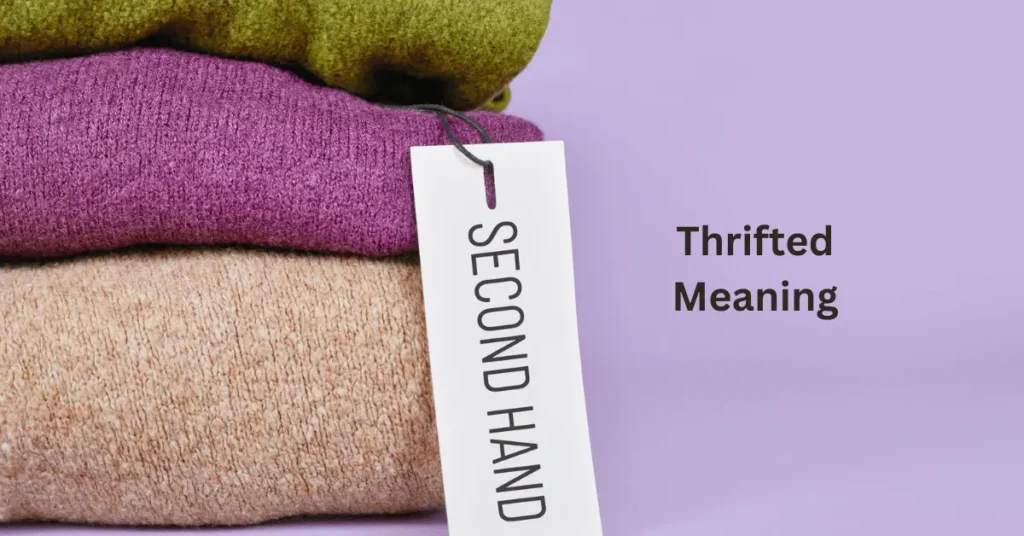
Let’s learn about thrifted meaning. Have you ever walked into a second-hand store and found something truly unique?
Maybe it was a vintage jacket, a quirky piece of furniture, or a cool book that was no longer on the shelves of regular stores.
This is the magic of “thrifted” items! The term “thrifted” refers to buying used goods, especially from stores that sell second-hand merchandise.
It’s become a popular way for people to shop for affordable, eco-friendly, and one-of-a-kind pieces.
In this post, we’ll dive into what “thrifted” really meaning is, how it became so popular, and why it’s such a great way to shop.
Whether you’re new to thrifting or a seasoned pro, there’s always something exciting to discover in the world of thrifted goods!
What Does “Thrifted” Mean?
“Thrifted” is a term that refers to buying or shopping for used goods, especially at stores that specialize in second-hand merchandise.
These items have had previous owners but are still in good condition, often at a much lower price than brand-new items.
Thrifted goods can include a wide variety of things, such as clothing, shoes, furniture, books, electronics, and even home décor.
The process of thrifting involves visiting thrift stores, second-hand shops, flea markets, or even online platforms where people sell their pre-loved items.
The appeal of “thrifted” items lies in the fact that they are typically affordable, sustainable, and unique. When you shop for thrifted goods, you’re often seeking out pieces that are no longer available in regular stores.
This could mean finding vintage clothing, rare collectibles, or quirky home accessories that have their own story.
For many people, thrifting isn’t just about saving money, but also about the thrill of discovering something special and giving it a second life.
In recent years, “thrifted” has become more than just a way of shopping—it’s a lifestyle choice. Many people are turning to thrift stores as a way to support sustainability.
By reusing and recycling items, they’re helping reduce waste and lessen the demand for new products, which can have a positive impact on the environment.
Whether it’s finding that perfect leather jacket from the ’90s or buying books to reduce paper waste, “thrifted” means making a more eco-friendly and creative choice in your shopping habits.
Definition of Thrifted Meaning
The word thrifted refers to the practice of purchasing used or secondhand items, typically from stores or places that specialize in reselling pre-owned goods.
Thrifted items are often gently used but still in good condition, offering a more affordable alternative to brand-new products.
These items can range from clothing and accessories to furniture, books, electronics, and home decor.
“Thrifted” is not limited to just items sold in physical stores. It also applies to purchases made online, such as on secondhand marketplaces or thrift shop websites.
The key aspect of “thrifted” is that these items are not new—they have a history, having been owned and used by someone else before finding their way to you.
Examples of Thrifted Meaning
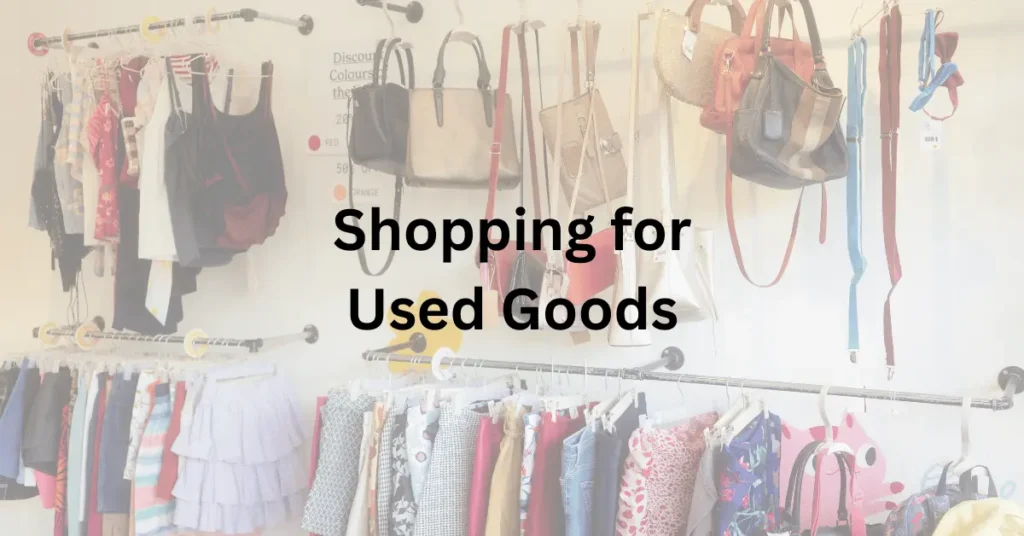
Clothing:
Imagine you find a vintage leather jacket in a local thrift store for a fraction of its original price.
This jacket, although pre-owned, is in excellent condition and has a unique, classic look that you can’t find in modern stores.
In this case, the leather jacket is a thrifted item, bought secondhand rather than new.
Furniture:
You’re looking to furnish your apartment on a budget, and you find a beautiful, well-maintained wooden coffee table at a secondhand store.
The table is vintage and has some wear and tear, but it adds a lot of character to your living space.
This table is considered thrifted because it’s not brand-new but still in great condition and useful.
Books:
Thrifted books are a popular find in secondhand stores. You might stumble upon an old edition of your favorite novel, or perhaps a rare book that’s out of print.
By purchasing it at a thrift store, you’re saving money and giving the book a second life.
Electronics:
Some people even thrift electronics like phones, cameras, or kitchen gadgets.
For example, you might find a used camera at a thrift shop that still works perfectly, offering you a great deal compared to buying a new one.
Home Decor:
Another example of thrifted items can be found in home décor. You could discover a vintage lamp or a set of retro dishes at a thrift store that complements your style.
These items are typically much more affordable than buying them new, and they often have a one-of-a-kind feel.
Thrifted items often carry a sense of nostalgia and history.
When you buy something that’s been previously owned, you’re not just acquiring an item—you’re giving it a second life and contributing to a more sustainable lifestyle.
Whether it’s clothing, furniture, or something else entirely, “thrifted” means making a conscious choice to purchase something that’s been reused, and in many cases, rediscovered, rather than something that’s brand-new.
Word Origin of “Thrifted”
The word “thrifted” is derived from the noun “thrift,” which has its roots in Old Norse and Middle English. Understanding the origin of “thrift” helps us trace the evolution of the term “thrifted” and its modern usage.
The Root Word: “Thrift”
The word “thrift” originated from the Old Norse word þrift, which means “prosperity” or “success.” It was related to the concept of thriving or flourishing.
The word eventually made its way into Middle English, where it retained its meaning of prosperity but also began to take on the sense of carefulness or frugality, particularly with regard to managing resources wisely.
Evolution of Meaning
Over time, the term “thrift” expanded to encompass the idea of being careful with money and resources. By the 16th century, “thrift” was closely associated with frugality and avoiding waste.
In this context, it referred to the practice of using money or goods wisely, often by reusing or repurposing them rather than buying new ones.
This concept of thriftiness laid the foundation for the modern meaning of buying secondhand or reused goods.
The Verb “Thrifted”
The term “thrifted” is the past tense of the verb “to thrift,” which essentially means “to buy secondhand or used items” or “to practice thrift.”
The verb “to thrift” began to be used in the 20th century, especially as the popularity of secondhand shopping grew.
In this modern sense, “thrifted” refers to the act of purchasing secondhand goods, especially from thrift stores, vintage shops, or charity shops.
Cultural Influence and Modern Usage
While the original concept of “thrift” focused on frugality and careful management of resources, the modern use of the term has shifted slightly.
Thrifted items today are often associated with sustainability, eco-friendliness, and finding unique or vintage pieces at affordable prices.
The rise of social media and the growing trend of “upcycling” has brought the term “thrifted” into the spotlight, with many people embracing thrifting as a trendy and responsible way of shopping.
Summary of the Word’s Evolution:
- Old Norse origin: þrift (prosperity, success)
- Middle English: Thrift (careful management of resources)
- Modern Usage: Thrifted (purchasing secondhand or reused items, especially for their affordability, sustainability, and uniqueness)
As a result, “thrifted” today not only refers to saving money but also carries a cultural and environmental connotation, making it much more than just a frugal choice—it’s a conscious lifestyle.
FAQs
Why is thrifting so popular?
Thrifting has gained popularity due to its affordability, uniqueness, and eco-friendliness. Many people love finding one-of-a-kind items that can’t be found in regular stores, such as vintage clothes or rare collectibles. Additionally, buying secondhand is a sustainable choice, helping to reduce waste and the environmental impact of producing new products.
Is it safe to buy thrifted items?
Yes, buying thrifted items is generally safe. However, it’s important to inspect the items carefully for any damage, wear and tear, or missing parts, especially when purchasing electronics, furniture, or clothing. Most thrift stores have quality control to ensure the products they sell are in good condition, but a little extra caution is always a good idea.
Can you find high-quality items while thrifting?
Absolutely! Thrift stores often carry high-quality items, including designer brands, vintage pieces, and well-made furniture or accessories. Many items in thrift shops are gently used and can be of excellent quality. Some even appreciate in value over time, especially rare or antique finds.
How can I find the best thrifted items?
Finding the best thrifted items takes patience and persistence. It’s helpful to visit thrift stores regularly since new items come in all the time. Being open-minded about what you’re looking for, trying different stores, and keeping an eye on sales or special promotions can also increase your chances of finding something amazing.
Is thrifting good for the environment?
Yes, thrifting is an environmentally friendly choice. By buying secondhand, you’re helping to reduce waste, lower the demand for new products, and contribute to a circular economy. Thrifted goods are reused, which means fewer resources are needed for production, ultimately lowering your carbon footprint and conserving natural resources.
Conclusion
In conclusion, “thrifted” refers to the act of buying secondhand items, often from thrift stores, flea markets, or online platforms.
It’s a fun and affordable way to shop for unique, high-quality items while also making an eco-friendly choice.
Whether you’re looking for vintage clothing, rare books, or gently used furniture, thrifting offers endless possibilities to find something special.
Plus, it’s a great way to reduce waste and support a more sustainable lifestyle.
So, next time you’re shopping, consider giving thrifted items a try—you might just discover something amazing!
Extra Points
- Thrifting Supports Charity: Many thrift stores are run by charitable organizations. When you buy thrifted items, you’re often supporting a good cause, whether it’s helping people in need, funding community programs, or supporting environmental initiatives.
- Thrifting Can Be a Creative Outlet: Thrifting isn’t just about finding bargains—it’s also about being creative! You can upcycle or personalize thrifted items, such as turning an old frame into a new artwork or redesigning thrifted clothes to fit your style. It’s a fun way to unleash your creativity!
- Thrift Stores Are Eco-Friendly: Thrift stores help reduce waste by giving items a second life. Instead of contributing to the growing pile of discarded products, thrifting ensures that things are reused and kept out of landfills, making it a great choice for eco-conscious shoppers.
- You Can Find High-End Brands for Less: Thrift stores are full of hidden gems, including high-end or designer items that might be way more expensive if bought new. You can find quality pieces like leather bags, branded clothing, and even vintage accessories for a fraction of the cost.
- Thrifted Items Tell a Story: Each thrifted item has a story to tell. Whether it’s a vintage jacket that has seen many adventures or a classic book that’s passed through different hands, buying secondhand gives you a connection to the past, making your purchases even more meaningful.