Reinforcement Meaning

Have you ever heard someone say, “That really reinforced my idea!” or maybe you’ve come across the term “reinforcement meaning” in a psychology or learning context?
You might be wondering, what does “reinforcement meaning” really mean? Well, you’re in the right place to find out!
At its core, reinforcement is all about making something stronger or more solid. It’s like adding support to a structure so it doesn’t break down.
In this article, we’ll dive into the meaning of reinforcement, how it’s used in everyday life, and even explore its roots and history.
By the end, you’ll have a clear understanding of what reinforcement truly means and how it can be applied in various aspects of life.
What Does It Mean?
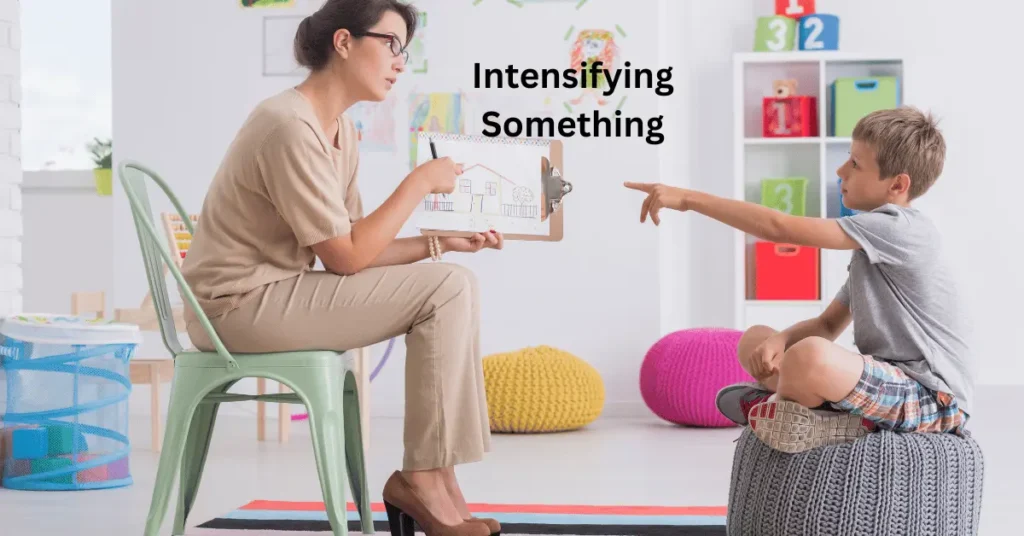
The term reinforcement refers to the act of strengthening, supporting, or intensifying something, usually to make an idea, belief, behavior, or structure more stable or enduring.
When we talk about reinforcement in the context of ideas or beliefs, we’re referring to actions or events that make those thoughts stronger, more convincing, or harder to doubt.
Imagine you’re learning something new, like a new skill or a concept.
When you practice it repeatedly and see improvements, that practice serves as reinforcement, making you more confident in your ability to master it.
Similarly, when someone shares additional information or evidence that supports a belief or idea, it reinforces that belief, making it more resilient against challenges or doubts.
In a broader sense, reinforcement can also be used in various fields like psychology, education, and even construction.
For instance, in psychology, reinforcement is a technique used to encourage certain behaviors, while in construction, reinforcement refers to materials, like steel, used to strengthen concrete.
Ultimately, reinforcement is all about making something stronger and more lasting, whether it’s a thought, a belief, a behavior, or even a physical structure.
It’s the process of adding support, layer by layer, to ensure that the original idea or structure stands firm.
Definition of Reinforcement Meaning
Reinforcement is the process of strengthening or supporting an idea, belief, or behavior to make it more robust, enduring, or resistant to change.
In simple terms, it’s about making something stronger, more solid, or more stable through the addition of support or encouragement.
Reinforcement can occur in various forms, depending on the context—whether it’s psychological, social, or even structural.
When we talk about reinforcement in the context of psychology or learning, it refers to strategies used to encourage certain behaviors or responses. In a broader context, reinforcement can be seen as any action that makes something more firmly established or difficult to alter.
Examples of Reinforcement Meaning
Psychological Reinforcement
In psychology, reinforcement is used to increase the likelihood of a certain behavior occurring. There are two main types:
- Positive Reinforcement: This involves adding something pleasant or rewarding to encourage a behavior. For example, if a student receives praise or a reward after completing their homework, they are more likely to continue completing their homework regularly.
- Negative Reinforcement: This involves removing an unpleasant stimulus to encourage a behavior. For instance, if a child cleans their room to avoid being scolded, the removal of the scolding acts as negative reinforcement, reinforcing the behavior of cleaning the room.
Reinforcement in Everyday Life
Reinforcement doesn’t only apply in formal contexts like psychology; it also plays a big role in our everyday lives.
For example:
- Social Reinforcement: When someone shares their opinion or belief, and others agree or validate it, that support strengthens their original thought. The more people agree with a person, the more confident they become in their beliefs, reinforcing their opinions.
- Behavioral Reinforcement: Think about training a pet. When a dog follows a command and is rewarded with a treat, the positive reinforcement encourages the dog to repeat that behavior in the future.
Reinforcement in Construction
In construction, reinforcement refers to materials that are used to strengthen a structure. For example:
Concrete Reinforcement: Concrete is strong in compression but weak in tension. To make concrete structures stronger and more durable, materials like steel rods or mesh are added to the concrete mix. These reinforcements support the concrete and prevent it from cracking under pressure.
Reinforcement in Learning
In the context of education, reinforcement is used to encourage students to keep engaging with the material:
Reinforcing Positive Behavior in Class: When a teacher praises a student for answering a question correctly or participating in class, it reinforces the student’s motivation to continue participating and learning. The positive reinforcement encourages the student to stay engaged and perform well.
These examples show how reinforcement operates across different fields and situations.
Whether it’s strengthening a belief, encouraging a specific behavior, or supporting a physical structure, reinforcement plays a crucial role in making things more solid and dependable.
Word Origin of Reinforcement
The word reinforcement has its roots in Latin and French, with its current meaning evolving over time. Let’s break down the origins of the word in more detail:
Latin Roots
The word reinforcement comes from the Latin verb reinforcare, which means “to make strong again.” This is a combination of two Latin components:
“re-“, which is a prefix meaning “again” or “back.”
“inforcare”, derived from “foris”, meaning “to strengthen” or “to fortify.”
In essence, the Latin origin of the word conveyed the idea of strengthening or making something stronger once more. Over time, this idea evolved to encompass a broader range of meanings, including the strengthening of behaviors, ideas, and physical structures.
French Influence
As the Latin language influenced Old French, the word reinforcement began to take its modern form.
The Old French term reinforcier, meaning “to strengthen,” is where the word first began to appear in a more recognizable form in English.
This term retained the idea of adding strength or support, though it was more often used in the context of military or structural support in its early use.
English Adoption
By the early 18th century, reinforcement entered the English language, initially used to describe military reinforcements—additional troops or resources sent to strengthen forces.
Over time, its use expanded beyond the military context, embracing the modern, broader sense of making something stronger or more intense.
In the 19th century, the word began to take on additional meanings in fields like psychology, education, and even construction, where it referred to actions or materials that supported or strengthened behaviors, ideas, or structures.
Modern Meaning
Today, reinforcement is used in many contexts:
Psychological reinforcement, referring to strategies used to strengthen behaviors.
Social reinforcement, when a belief or idea becomes stronger through validation or agreement from others.
Structural reinforcement, as in adding support to buildings or materials.
General use, referring to anything that makes an idea, belief, or concept more enduring.
The journey of the word reinforcement from its Latin roots to its current, versatile meanings in English shows how language adapts and grows in response to changing human needs and experiences.
FAQs
What does “reinforcement” mean in psychology?
In psychology, reinforcement refers to a process used to encourage or strengthen certain behaviors. It involves providing a reward or removing an unpleasant stimulus to increase the likelihood of a behavior being repeated. There are two main types of reinforcement:
Positive reinforcement: Giving a reward (like praise or treats) to encourage a behavior.
Negative reinforcement: Removing an unpleasant stimulus (like a loud noise) to encourage a behavior.
How is reinforcement used in education?
In education, reinforcement is a technique used by teachers to encourage positive behaviors and learning habits in students. For example, teachers might use praise, rewards, or privileges to reinforce good behavior, such as completing homework or participating in class discussions. Reinforcement helps motivate students and can increase their engagement and willingness to learn.
Can reinforcement be both positive and negative?
Yes, reinforcement can be both positive and negative, but both types aim to increase the likelihood of a behavior being repeated.
Positive reinforcement involves adding something pleasant (like a reward or praise) after a desired behavior.
Negative reinforcement involves removing something unpleasant (like stopping a loud sound or taking away an unpleasant task) when the desired behavior occurs.
Both methods strengthen the behavior, but they do so in different ways.
What is reinforcement in construction?
In construction, reinforcement refers to materials used to strengthen or support a structure, making it more durable. For example, steel bars or mesh are added to concrete to prevent cracks and enhance the overall strength of the building. This type of reinforcement is crucial for ensuring that structures can handle weight, pressure, and other stresses.
How does reinforcement affect our beliefs or ideas?
Reinforcement can also apply to beliefs and ideas. When we receive support, agreement, or validation from others, our ideas and beliefs become stronger and more solidified. This can occur in social settings or through repeated exposure to confirming evidence. The more reinforcement an idea receives, the more confident we become in it, making it more resistant to change or doubt.
Conclusion
In simple terms, reinforcement is all about making something stronger or more stable.
Whether it’s strengthening a behavior, idea, or physical structure, reinforcement plays a crucial role in helping things endure and grow.
From psychology to construction, reinforcement can take many forms, but the goal is always to support and solidify what’s already there.
Now that you know the meaning of reinforcement and how it works, you can see how it’s applied in everyday life to encourage positive change, build confidence, and create lasting foundations.
Extra Points on Reinforcement
- Reinforcement is Everywhere: Reinforcement isn’t just something you read about in textbooks or see in psychology experiments. It happens in everyday life! Whether you’re rewarding your pet for sitting, or encouraging a friend who is learning a new skill, you’re using reinforcement to support positive behavior.
- It’s Not Always Instant: Reinforcement doesn’t always happen right away. Sometimes, it’s a slow process. For example, when you’re learning a new habit, it may take time before you start seeing the results of your efforts. But as you keep reinforcing that behavior, it becomes more automatic.
- Reinforcement Builds Habits: One of the most powerful things reinforcement can do is help build habits. By consistently reinforcing positive actions (like studying daily or exercising regularly), those actions become part of your routine and eventually feel natural.
- Consistency is Key: For reinforcement to work effectively, it needs to be consistent. Whether it’s rewarding a behavior or validating an idea, repeating reinforcement makes it stronger and more likely to continue. Inconsistent reinforcement may confuse or weaken the impact.
- Reinforcement in Relationships: Reinforcement also plays a big role in relationships. For instance, when you appreciate or praise someone for their actions, it strengthens your bond and encourages them to continue behaving in positive ways. Whether it’s in friendships, family, or romantic relationships, reinforcement can help build trust and cooperation.