Pamper Meaning
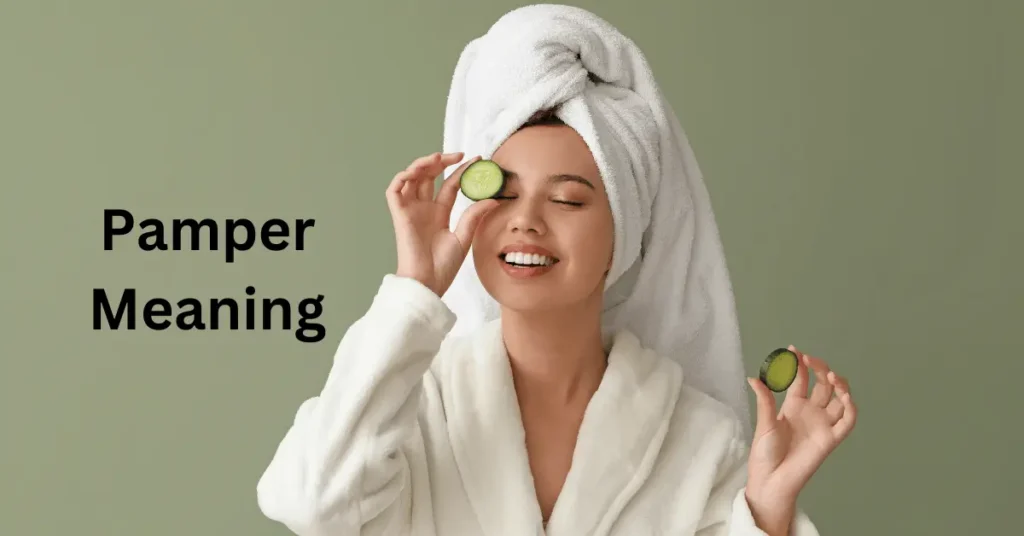
We all love to feel special every now and then, and one of the best ways to do that is through pampering! But what exactly does “pamper meaning” really mean?
Simply put, to pamper someone is to give them extra care, attention, and comfort—often making them feel relaxed and cherished.
Whether it’s treating yourself to a spa day or surprising a loved one with a thoughtful gesture, pampering is all about showing love and appreciation.
In this post, we’ll dive into what pampering meaning is, why it’s so important, and how you can use it to make yourself or someone else feel truly special.
What Does “Pamper” Mean?
To ‘pamper’ someone means to treat them with extra care, kindness, and attention, often in a way that makes them feel relaxed, valued, and special.
It’s about going the extra mile to make someone feel good, whether physically, emotionally, or both.
Pampering can take many forms, and it doesn’t always have to be extravagant or expensive.
Sometimes, it’s the simple things that matter most—like cooking someone’s favorite meal, giving them a comforting hug, or offering a listening ear when they need to talk.
It’s all about making someone feel cherished and cared for, creating an environment where they can unwind and feel appreciated.
While pampering is often associated with physical indulgences, such as massages, spa treatments, or taking time for a relaxing bath, it can also be emotional.
For example, you might pamper someone by offering them encouragement, supporting them through difficult times, or just giving them some undivided attention.
Pampering isn’t just for others, though. Self-pampering is equally important.
It’s all about making sure you take time to look after your own well-being, whether that’s through rest, hobbies you love, or treating yourself to a moment of peace and relaxation.
In a way, pampering is a reminder that we all deserve a little extra care and kindness now and then, whether from others or ourselves.
Definition and Examples of “Pamper” Meaning
The term “pamper” refers to the act of providing someone with extra attention, care, and comfort, often going beyond what is typical or necessary.
It involves indulging someone in a way that makes them feel special, valued, and relaxed. Pampering can involve both physical and emotional care, and it’s a way of showing love, appreciation, or affection for someone.
Definition
To pamper someone is to treat them with care and indulgence, often through acts that provide comfort, luxury, or relaxation.
It could be in the form of a thoughtful gesture, special treatment, or even acts of kindness that show you’re going out of your way to make the person feel cherished.
Examples of Pampering
Physical Pampering
- Spa Treatments: Giving someone a luxurious facial, massage, or manicure to help them relax and feel rejuvenated.
- Comforting Bath: Drawing a warm bath for someone with essential oils, candles, and soft music to create a relaxing atmosphere.
- Home-Cooked Meal: Preparing their favorite meal and serving it in a cozy setting to make them feel cared for.
Emotional Pampering
- Listening with Attention: Taking the time to truly listen to someone when they need to talk about their worries or feelings, without distractions.
- Words of Encouragement: Offering kind and supportive words to someone going through a tough time, showing that you value them.
- Acts of Kindness: Helping with tasks that may seem overwhelming, such as running errands for someone who’s feeling stressed or giving them a break from responsibilities.
Self-Pampering
- Relaxing Time for Yourself: Taking time out of your busy day to unwind—whether it’s reading your favorite book, taking a walk, or simply doing nothing for a while.
- Treating Yourself to Something Special: Buying yourself something you love, whether it’s a nice coffee, a new outfit, or something small that makes you feel good.
- Mindful Practices: Engaging in meditation or yoga to relax both the body and mind, focusing on your well-being.
Pampering can be as simple as showing someone that you care or as elaborate as a weekend getaway to recharge.
It’s about making someone feel valued and ensuring they experience comfort and joy, whether through a small act or a big gesture.
Word Origin of “Pamper”
The word “pamper” has a rich history, evolving over centuries to its current meaning. Its roots can be traced back to the early days of the English language, with influences from other European languages.
Early Origins
The word “pamper” is believed to have come from the Middle Dutch word “pamperen”, which meant to spoil or indulge.
This term was used in the 16th century and likely referred to treating someone in a way that was overly indulgent or luxurious, sometimes to the point of excess.
The word “pamperen” itself might have been a playful, informal way to describe the act of giving someone too much of what they wanted, often in the form of food or comforts.
Adoption into English
By the late 1500s, the word made its way into the English language, first appearing as “pamper” in written form around the early 1600s.
At that time, it primarily carried the meaning of treating someone with excessive care, often to the point of indulgence or spoiling them.
It was typically associated with wealthy individuals who could afford to pamper others with luxurious treatments and comforts.
Shift in Meaning
Over time, the meaning of “pamper” evolved to reflect a more positive and intentional act of caring for someone.
While it still involved giving them special treatment, it became less about indulgence and more about showing affection and appreciation through thoughtful and nurturing actions.
Today, pampering is seen as a way to provide comfort and relaxation, whether for oneself or for someone else.
The modern understanding of pampering focuses on kindness and care, not overindulgence or excess.
It can refer to a range of actions—whether small or large—that make someone feel special and valued.
This change in meaning reflects the shift in how society views self-care and the importance of emotional and physical well-being.
The journey of the word “pamper” from its early indulgent connotations to its current positive associations with care and love highlights its cultural significance.
What started as a term describing excessive treatment has now come to represent the nurturing and comforting acts that promote well-being and relaxation.
FAQs
What does it mean to “pamper” someone?
To “pamper” someone means to give them special treatment, often involving care, attention, and indulgence. It could include acts that make the person feel cherished, relaxed, or valued, such as giving them a massage, cooking their favorite meal, or simply providing emotional support.
Is pampering only for special occasions?
No, pampering doesn’t have to be reserved for special occasions. It can be a regular practice, whether you’re pampering yourself or someone else. Small, thoughtful gestures can make someone feel cared for on any given day, such as offering a cup of tea or spending quality time together.
Can pampering be a form of self-care?
Yes, pampering is an essential form of self-care. Taking the time to relax, enjoy a peaceful bath, or treat yourself to something you love are all examples of self-pampering. It helps reduce stress and supports mental and emotional well-being, allowing you to recharge and feel refreshed.
How can I pamper someone without spending a lot of money?
Pampering doesn’t always need to be expensive. Simple acts of kindness, such as preparing a homemade meal, offering a thoughtful compliment, or creating a calm and peaceful environment can be just as meaningful. Pampering is more about the effort and care you put into making someone feel special than the cost involved.
Why is pampering important?
Pampering is important because it promotes relaxation, reduces stress, and enhances emotional well-being. By showing someone (or yourself) care and appreciation, you can strengthen relationships and create positive feelings. It’s a reminder to take time for self-care and to make others feel valued and loved.
Conclusion
In the end, pampering is all about showing someone you care by offering them extra attention, love, and comfort.
Whether it’s treating yourself to a relaxing bath or surprising a loved one with a thoughtful gesture, pampering helps create moments of joy and relaxation.
It’s a simple yet meaningful way to nurture both physical and emotional well-being. So, take a little time to pamper yourself or someone else—you deserve it!
Extra Points
- Pampering Is for Everyone: Pampering isn’t just for special occasions or for people with lots of time and money. Everyone can enjoy it! It can be as simple as offering a kind word or giving someone a moment of peace. It’s all about making others feel good, and even small gestures count.
- It’s About Balance: While pampering can be a wonderful way to relax, it’s also important to balance it with other aspects of life. Too much indulgence can make us feel spoiled, so it’s best to use pampering as a way to unwind and recharge rather than overdo it.
- Pampering Boosts Relationships: When you pamper someone, it strengthens your bond with them. Thoughtful acts of kindness or care can help people feel appreciated and loved, which can make relationships stronger and more meaningful.
- Self-Pampering is Just as Important: Don’t forget to pamper yourself! Taking care of your own well-being is just as essential as caring for others. Whether it’s relaxing with a good book or enjoying a favorite hobby, self-pampering helps you stay refreshed and ready to take on life’s challenges.
- Cultural Pampering Traditions: Different cultures have their own ways of pampering. For example, in Japan, taking part in a traditional hot spring bath is a common way to relax. In many Mediterranean cultures, a nice meal with family is an important way to show care. Pampering is a universal practice that shows love and appreciation in unique ways.