No Cap Meaning

If you’ve spent any time scrolling through social media or chatting with friends lately, you’ve probably come across the phrase “no cap.” But what does no cap meaning is?
You might have heard it used in a casual conversation or seen it pop up in a tweet or TikTok, but if you’re not familiar with it, don’t worry!
In this post, we’ll break down the meaning of “no cap” and give you all the details you need to understand why it’s become such a popular expression.
Whether you’re trying to keep up with the latest slang or just curious about this phrase, you’re in the right place!
What Does “No Cap” Mean?
The phrase “no cap” is a slang expression used to emphasize that someone is being completely honest, genuine, or serious about what they’re saying.
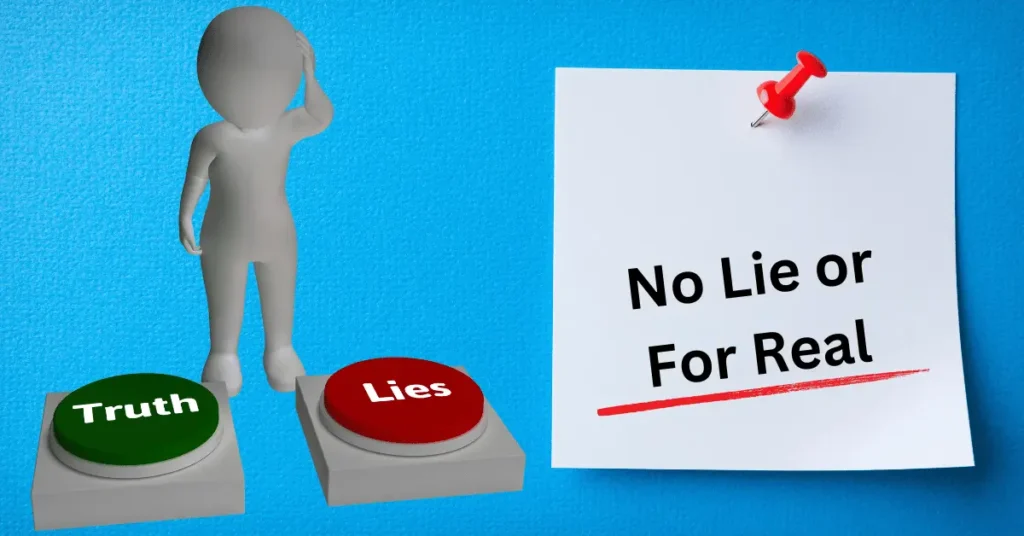
In simple terms, it’s like saying ‘no lie’ or ‘for real.’ It’s a way to make it clear that what you’re saying is true, and you’re not exaggerating, lying, or joking around.
To break it down
“No” – This part of the phrase is saying that there’s absolutely none of something.
“Cap” – In slang, “cap” means to lie or exaggerate. It’s like saying something isn’t true or is blown out of proportion.
So, when you say “no cap,” you’re basically saying, “I’m not lying,” or “I’m being totally honest with you.”
Here’s an example to make it clearer
Without “no cap”: “That pizza was amazing.”
With “no cap”: “That pizza was amazing, no cap.”
When you add “no cap,” it tells the listener that you truly believe the pizza was amazing, and you’re not just saying it for fun or trying to sound cool.
People use “no cap” in a variety of situations. It could be to emphasize how good something is, how true a statement is, or how serious someone is about what they’re saying.
It’s a way to show authenticity, especially when someone might doubt what you’re saying.
Definition of “No Cap”
“No cap” is a slang phrase that means “no lie” or “for real.” It’s used to emphasize that someone is being completely honest, genuine, and serious about what they’re saying.
The phrase originated from African American Vernacular English (AAVE) and is often used to indicate that the speaker is not exaggerating, not joking, and is stating the truth.
In simpler terms, when you say “no cap,” you’re stressing that what you’re saying is 100% true, and you’re not trying to mislead anyone or make something sound bigger than it really is.
Examples of “No Cap” in Sentences
Example 1 (Expressing Genuine Praise)
“That concert was fire, no cap! Best show I’ve ever been to.”
In this case, “no cap” is used to show that the speaker isn’t exaggerating and really believes the concert was the best they’ve ever seen.
Example 2 (Emphasizing Honesty)
“I’m telling you, she’s the best at singing, no cap!”
Here, the speaker is emphasizing that they’re being completely truthful when they say the person is the best at singing, and there’s no exaggeration or lie involved.
Example 3 (Agreeing with Someone’s Statement)
“That movie was so good, no cap!”
This shows that the speaker is agreeing wholeheartedly with the fact that the movie was good, and they’re not lying or overhyping it.
Example 4 (Making a Strong Point)
“I’m serious, I’m gonna pass this test, no cap.”
The speaker is stressing their seriousness and confidence in passing the test, reassuring others that they are not joking or making false claims.
Example 5 (Pointing Out a Mistake or Lie)
“That’s cap! You didn’t finish all your homework.”
In this case, the opposite of “no cap,” the term “cap” is used to call out someone for lying or exaggerating. It shows that the speaker doesn’t believe the other person’s claim.
Why People Use “No Cap”
The phrase “no cap” has become popular in part because it’s an effective way to signal that someone is being truthful in a world where exaggeration and exaggerating statements are common, especially in the age of social media.
It’s a way to cut through the noise and let others know that you mean what you say.
Word Origin of “No Cap”
The phrase “no cap” has its roots in African American Vernacular English (AAVE), which is a dialect spoken by many African Americans.
AAVE has significantly influenced much of the slang we use today, especially in hip-hop culture and on social media.
The term “cap” originally comes from an older slang expression meaning to lie or exaggerate.
The exact origin of “cap” as a term for lying isn’t fully clear, but it’s thought to have evolved in the late 20th century, possibly emerging from the phrase “capping” or “to cap,” which referred to exaggerating or fabricating a story.
When someone was “capping,” they were telling tall tales or making up things that weren’t true.
Evolution of the Phrase
Early Use of “Cap”
Before “no cap” became widely used, “cap” was already established in AAVE as a term meaning to lie. In this context, saying someone was “capping” meant that they were fabricating something or telling a falsehood.
Transition to “No Cap”
As the phrase “capping” caught on in hip-hop culture, the use of “no cap” emerged as a way of negating the lie.
If “cap” meant “lying,” then “no cap” meant “no lie” or “I’m being honest.” This usage emphasizes truth and authenticity, and it started becoming more common in the early 2010s.
Popularization through Music and Social Media
The phrase really gained mainstream attention thanks to hip-hop artists and influencers.
Artists like Future, Lil Uzi Vert, and Young Thug used the term in their songs, which helped spread it across social media platforms.
Once it started popping up in rap lyrics, it didn’t take long for the phrase to be adopted widely, especially among younger audiences who frequent platforms like Twitter, Instagram, and TikTok.
Expansion Beyond Hip-Hop
While “no cap” had its roots in hip-hop and AAVE, it quickly expanded beyond these communities and became a part of mainstream internet culture.
It is now commonly used by people of all ages, not just those who follow hip-hop music or African American culture.
Why “Cap”?
The term “cap” is interesting because it might also have roots in the idea of a “cap” being something that tops off a story or a statement, possibly alluding to exaggeration or adding something on top to make a story more impressive than it really is.
Another theory is that “cap” could have been derived from the “cap” or “hat” worn by someone, symbolizing a cover-up or something that hides the truth.
In summary, the origin of “no cap” lies in African American Vernacular English, and its meaning evolved over time through hip-hop culture and social media.
What started as a way to call out exaggeration has become a powerful way to assert honesty and authenticity in conversations, especially in today’s digital age.
FAQs
What does “no cap” mean?
“No cap” means “no lie” or “for real.” It’s a slang phrase used to emphasize that someone is being completely honest, genuine, and serious about what they are saying. It’s often used to stress that there is no exaggeration or falsehood in the statement being made.
Where did the phrase “no cap” originate?
The phrase “no cap” originated in African American Vernacular English (AAVE) and gained popularity through hip-hop culture. The term “cap” has been used in AAVE for years to mean lying or exaggerating. Over time, “no cap” emerged as a way to say “no lie,” signaling that the speaker is being truthful and sincere.
Can I use “no cap” in formal conversations?
While “no cap” is widely used in casual and informal settings, it’s generally not suitable for formal conversations. It’s a slang expression, so it’s best used with friends or on social media. In formal or professional environments, it’s better to stick with more traditional expressions like “I’m being honest” or “for real.”
What’s the opposite of “no cap”?
The opposite of “no cap” is “cap,” which means to lie or exaggerate. For example, if someone says, “That’s cap,” they’re calling out someone else for not telling the truth or for making a false claim.
Is “no cap” only used by younger people?
While “no cap” became popular among younger generations, particularly through hip-hop culture and social media, it has since become a widely recognized term used by people of all ages. Its use has expanded beyond just teenagers or young adults to include a broader audience, especially with the rise of social media and internet slang.
Conclusion
In conclusion, “no cap” is a popular slang term that means “no lie” or “for real.” It’s used to emphasize honesty and sincerity, making it clear that the speaker is being truthful.
Originating from African American Vernacular English (AAVE) and gaining traction through hip-hop culture and social media, “no cap” has become a widely recognized phrase.
Whether you’re using it to stress how amazing something is or to assert your honesty, “no cap” is an expression that shows you’re speaking from the heart.
Extra Points on “No Cap”
- Universal Usage: While “no cap” started in hip-hop and among younger people, it’s now widely used by many different age groups and has become a part of mainstream slang.
- Used for Emphasis: People use “no cap” to make their statements stronger. It’s a way to show you’re serious about what you’re saying, like when you want to make sure others know you’re not joking or exaggerating.
- Popular on Social Media: “No cap” is especially popular on social media platforms like Twitter, Instagram, and TikTok, where people want to share their thoughts in a fun and engaging way.
- Can Be Used in Positive or Negative Contexts: You can use “no cap” to say something positive, like praising a movie or a friend. You can also use it to call out someone for lying, like saying “That’s cap” when you think someone’s exaggerating.
- Other Slang You Might Hear: If you’re familiar with “no cap,” you might also come across similar phrases like “no lie,” “deadass,” or “for real,” which carry the same meaning of honesty and truthfulness.