Gourmet Food Meaning
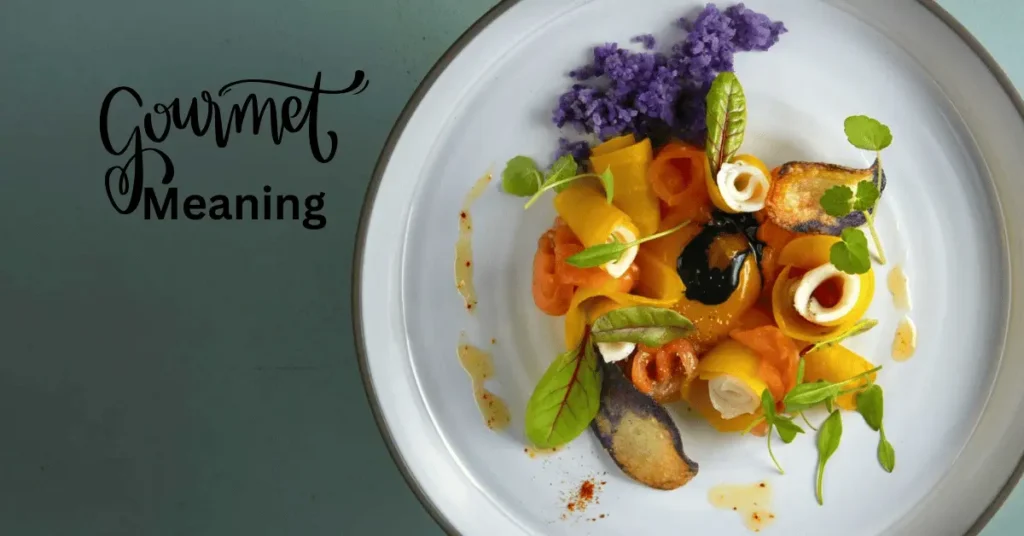
Have you ever heard the term “gourmet food” and wondered what gourmet food meaning is? It sounds fancy, right? But it’s more than just a buzzword – gourmet food refers to high-quality, often luxurious dishes that are made with expert care and attention to detail.
Whether it’s a delicate pastry, an exquisite dish prepared with rare ingredients, or an elegantly plated meal, gourmet food is all about elevating your dining experience.
In this article, we’ll break down the meaning of “gourmet food” and explore what makes it so special, from its rich history to its modern-day allure.
What Does Gourmet Food Mean?
When people talk about “gourmet food,” they’re referring to a type of food that stands out because of its exceptional quality, complexity, and the skill required to prepare it.
It’s not just about the taste—although that’s certainly important—but also about the entire experience that comes with eating it.
At its core, gourmet food is all about premium ingredients. These ingredients are often rare, hard to find, or carefully sourced to ensure they meet the highest standards.
Think of things like truffles, saffron, Wagyu beef, or handcrafted cheeses. These ingredients are chosen not just for their taste, but for their ability to elevate a dish and make it something extraordinary.
But it’s not just the ingredients that define gourmet food; it’s also about how the food is prepared.
A gourmet dish is usually made by a skilled chef who has a deep understanding of flavors, techniques, and presentation.
These chefs often use advanced cooking methods—like sous-vide, fermentation, or precision cooking—to bring out the best in each ingredient.
This level of expertise ensures that every dish tastes as good as it looks and that every bite delivers a balanced, flavorful experience.
Another key element of gourmet food is its presentation. The way food is plated and served is just as important as how it tastes.
Gourmet food often features beautiful, artful presentations, where the dish looks almost too good to eat. Each component is carefully arranged to create a visual masterpiece that enhances the overall dining experience.
Finally, gourmet food is also about indulgence. It’s often seen as a luxury, something to enjoy on special occasions or during a fine dining experience.
Because of its quality, craftsmanship, and attention to detail, gourmet food is typically more expensive than regular meals, making it an exclusive treat for those who appreciate the finer things in life.
In short, “gourmet food” means dishes that are carefully crafted with high-quality ingredients, expert techniques, and an emphasis on both taste and aesthetics.
It’s about creating an experience that delights all the senses and leaves a lasting impression.
Definition of Gourmet Food
Gourmet food refers to food that is prepared with exceptional skill, using high-quality, often rare or specialty ingredients, and typically presented in an aesthetically pleasing way.
The key to gourmet food lies in its combination of luxurious ingredients, expert preparation, and artful presentation, creating a refined dining experience.
Gourmet food is not just about sustenance; it’s about celebrating culinary artistry and offering an elevated experience that engages all the senses.
In simple terms, gourmet food goes beyond everyday meals. It is designed to be an indulgent experience that showcases the best of what the culinary world has to offer—whether that’s through rare ingredients, intricate cooking techniques, or beautiful plating.
It’s often associated with fine dining and upscale restaurants, but you can also find gourmet ingredients in home kitchens or specialty food shops.
Examples of Gourmet Food
Foie Gras
A luxury ingredient often associated with French cuisine, foie gras is a rich, buttery liver pâté made from duck or goose.
Known for its delicate flavor and creamy texture, foie gras is a classic example of gourmet food that’s both indulgent and highly regarded in the culinary world.
Truffles
Truffles are a type of rare mushroom that grows underground, typically found with the help of trained pigs or dogs.
Their deep, earthy flavor and unique aroma make them a highly sought-after ingredient in gourmet dishes.
Truffle oil, truffle salt, or shaved truffles can elevate everything from pasta to scrambled eggs, turning ordinary dishes into gourmet creations.
Wagyu Beef
Wagyu beef, particularly from Japan, is known for its intense marbling of fat, making the meat incredibly tender and flavorful.
This beef is often considered one of the finest and most expensive in the world, and it’s commonly featured in gourmet dishes like steak, sushi, or burgers.
Saffron
Saffron is the world’s most expensive spice, made from the delicate stigmas of crocus flowers.
Its rich, golden color and distinctive, slightly floral flavor make it a key ingredient in gourmet cooking, often used in dishes like paella, risotto, and various Mediterranean or Middle Eastern cuisines.
Caviar
Caviar consists of fish roe, typically from sturgeon, and is often seen as a symbol of luxury and refinement.
Whether served on blinis, in a canapé, or simply enjoyed with a glass of champagne, caviar is a quintessential example of gourmet food, prized for its delicate, salty flavor and smooth texture.
Artisan Cheeses
Cheeses like Brie de Meaux, Roquefort, or Comté are considered gourmet because they are made with traditional techniques and often with high-quality milk from specific regions or breeds of animals.
These cheeses are often aged to develop rich, complex flavors, making them perfect for a cheese platter at a fine dining experience.
Molecular Gastronomy Dishes
Molecular gastronomy involves using scientific principles to create innovative textures and presentations in food.
Dishes like edible foams, nitrogen-frozen sorbets, or deconstructed desserts are considered gourmet because they combine creativity, science, and expert culinary skills to produce something truly unique.
Handmade Chocolates or Pastries
From delicate macarons to handcrafted truffles, gourmet desserts showcase the expertise of pastry chefs.
These items often use high-quality ingredients like single-origin chocolate, fresh fruit, or exotic spices, and are meticulously crafted to create balanced, visually stunning treats.
Fresh Lobster or Shellfish
Freshly prepared lobster or other high-end shellfish like king crab or oysters are often served in gourmet dishes. When prepared with the right techniques, these delicacies provide a rich, tender taste that is synonymous with luxury dining.
Aged Wine or Rare Spirits
While not a food item in the traditional sense, gourmet meals often pair with rare or aged wines, craft cocktails, or artisanal spirits.
These drinks are chosen for their exceptional quality and their ability to complement the flavors of the food.
Gourmet food includes a wide range of ingredients and dishes, all characterized by their high quality, expert preparation, and luxurious appeal.
From rare truffles and foie gras to top-tier cuts of Wagyu beef and artisan cheeses.
Gourmet food offers an indulgent experience that’s about more than just eating—it’s about savouring each bite, appreciating the skill behind the preparation, and enjoying the overall sensory experience.
These ingredients and dishes represent the epitome of what makes food special, showcasing craftsmanship, passion, and a deep respect for quality.
Whether you’re enjoying it at a Michelin-starred restaurant or experimenting at home, gourmet food is all about elevating your culinary experience to new heights.
Word Origin of Gourmet Food

The word gourmet has deep roots in the French language, and its evolution reflects the growing appreciation for fine food and wine in European culture.
French Origins
The term “gourmet” originally comes from the Old French word “gourmet”, which meant a wine broker or taster.
It was used to describe someone who was knowledgeable about wines and had a refined taste for them.
This person’s role was similar to a sommelier today, as they helped select and evaluate wines.
In fact, the word itself is believed to have been derived from the Middle French word “gromet”, meaning a steward or servant responsible for overseeing the quality of wine and food.
Meaning of “Gourmet” in the 18th Century
In the 18th century, the term “gourmet” started being used more specifically in the context of fine dining and quality food.
It began to extend beyond wine tasting to refer to someone who was an expert in all aspects of food, someone who could appreciate the subtleties of flavor, preparation, and presentation.
Over time, the word evolved to describe both the person with sophisticated culinary tastes and the food that they would seek out—foods that were rare, refined, and expertly prepared.
Expansion of Meaning
By the 19th century, especially during the rise of haute cuisine (French for “high cooking”), the word “gourmet” began to shift even further.
It became associated with luxurious, fine dining that focused on the finest ingredients, expert culinary techniques, and beautiful presentation.
It wasn’t just about refined tastes anymore, but about exceptional culinary experiences—dishes that were prepared with great care and skill, often from rare or expensive ingredients.
Gourmet’s Modern Meaning
Today, the term “gourmet” is widely used in English and other languages to describe anything that is of high quality or exceptionally prepared, not just food.
When you hear someone say “gourmet meal,” “gourmet coffee,” or “gourmet chocolate,” they’re usually referring to something that stands out for its premium ingredients, expert preparation, and artful presentation.
The term has also expanded into the world of gourmet products—items like specialty oils, spices, sauces, and even snacks, all crafted with the same care and attention to detail that defines gourmet food.
The word “gourmet” has its origins in the French language, originally referring to a wine expert or taster in the 18th century.
Over time, its meaning expanded to include not just wine but also high-quality, expertly prepared food. Today, “gourmet food” refers to any food that is made with exceptional ingredients and skill, offering an elevated culinary experience.
This word’s evolution mirrors the growth of culinary expertise and the growing appreciation for fine dining and high-end food.
FAQs
What makes food “gourmet”?
Gourmet food is characterized by its high quality, rare ingredients, and expert preparation. It’s often made with ingredients that are carefully sourced, sometimes hard to find, and prepared using advanced cooking techniques. Additionally, gourmet food is usually visually stunning, with attention paid to presentation. Overall, it provides an indulgent and refined eating experience that engages all the senses.
Is gourmet food always expensive?
While many gourmet foods tend to be more expensive due to their premium ingredients and specialized preparation, it’s not always the case. Some gourmet foods, like locally sourced artisan cheeses or fresh seasonal produce, can be affordable without compromising quality. The cost usually depends on the rarity of the ingredients and the complexity of the preparation.
Can I cook gourmet food at home?
Yes, you can absolutely cook gourmet food at home! While some dishes may require advanced techniques or rare ingredients, there are plenty of recipes that are accessible to home cooks. With the right tools, quality ingredients, and a little practice, you can create gourmet dishes in your own kitchen and enjoy that fine-dining experience at home.
What are some examples of gourmet foods?
Examples of gourmet foods include luxurious ingredients like truffles, foie gras, Wagyu beef, caviar, saffron, and artisan cheeses. Gourmet food also includes carefully crafted dishes like molecular gastronomy creations, delicate pastries like macarons, and even perfectly prepared seafood such as lobster or oysters. These ingredients and dishes stand out for their exceptional taste, quality, and presentation.
What’s the difference between gourmet food and regular food?
The main difference between gourmet food and regular food is the quality, ingredients, and preparation. Gourmet food uses rare, premium ingredients and often requires expert skills and intricate techniques to prepare. It’s about creating an elevated culinary experience, not just satisfying hunger. Regular food, on the other hand, is typically made with more basic ingredients and doesn’t emphasize the artistry or luxury that gourmet food does.
Conclusion
In the end, gourmet food is all about quality, craftsmanship, and creating an unforgettable dining experience.
It’s food made with the best ingredients, expert techniques, and an eye for detail in both taste and presentation.
Whether it’s a special meal at a fancy restaurant or something you create at home, gourmet food elevates your appreciation of flavor and art in cooking.
So next time you enjoy a delicious, beautifully crafted dish, you’ll know you’re experiencing something truly special!
Extra Points on Gourmet Food
- Not Just for Fine Dining: Gourmet food isn’t only for fancy restaurants. You can bring the gourmet experience home by using quality ingredients and taking time to prepare your meals carefully. Even simple dishes can be gourmet with the right touch!
- Seasonal and Local Ingredients: Many gourmet chefs focus on using seasonal and local ingredients. This helps ensure the freshest flavors while supporting local farmers and producers. Seasonal ingredients also bring variety to gourmet meals throughout the year.
- Focus on Flavor and Experience: Gourmet food isn’t just about eating—it’s about the whole experience. It’s designed to engage all your senses: the way it looks, smells, tastes, and even feels. Each dish is carefully crafted to provide a memorable and enjoyable moment.
- Sustainability in Gourmet Food: There’s a growing trend in the gourmet world to focus on sustainability. Many chefs and restaurants are now opting for sustainable sourcing, using ingredients that are ethically produced or grown without harming the environment.
- It’s About Craftsmanship: Gourmet food emphasizes craftsmanship. The chefs who prepare gourmet meals often dedicate years to learning their craft. The result is food that isn’t just satisfying—it’s a work of art, made with passion and expertise.