Etching Meaning

Let’s learn about etching meaning in detail with us. Have you ever wondered how artists or manufacturers create intricate designs on hard surfaces like metal or glass?
One common method used for this is called “etching meaning“—a process where patterns or images are carved into a surface, often with the help of acid or a laser.
It’s a technique that’s not just used in art, but also in modern industries for everything from personalized gifts to high-tech manufacturing.
In this post, we’ll dive into what etching really means, its history, and how it’s used in different fields. Let’s explore this fascinating technique together!
What Does It Mean?
Etching is a verb that refers to the process of creating designs, patterns, or images on a hard surface by “eating” into it using a chemical agent or a laser beam.
This technique is used in various industries, from art to technology, for its ability to produce precise, detailed marks on materials like metal, glass, plastic, and even stone.
In the traditional form of etching, artists or craftsmen would apply a layer of protective material, such as wax or resin, to the surface they wish to etch.
They would then use a needle or another sharp tool to scratch off the protective layer, exposing the surface underneath.
Afterward, the exposed areas would be treated with a corrosive acid. The acid would “eat” away at the surface where the protective layer had been removed, leaving behind the design.
This process results in a permanent image that can be reproduced, particularly in the case of metal plates used in printmaking.
Modern etching methods have evolved, and today, laser etching is commonly used. Laser etching uses a high-powered laser beam to precisely burn or vaporize the material’s surface, creating fine details without the need for chemicals.
This method is faster and allows for more intricate designs, which is why it is often used for creating custom engravings on items like jewelry, trophies, or even electronic components.
Whether using acid or lasers, the core idea behind etching is the same: to “etch” into a surface to create a permanent, detailed design.
The process is highly versatile and can be used for artistic expression, industrial applications, or personalizing everyday objects.
Definition and Examples of Etching Meaning
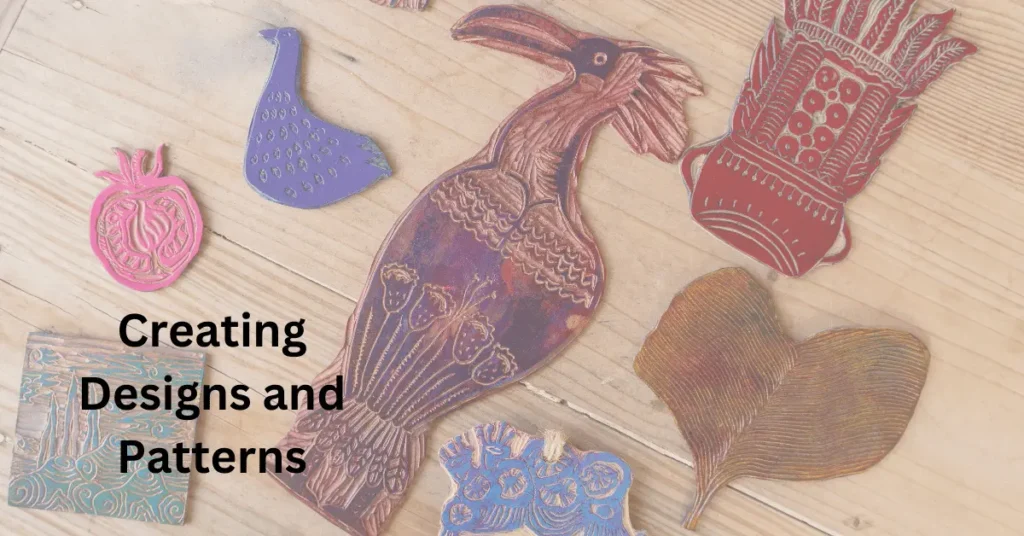
Etching is the process of creating a design or image on a hard surface by eating into it, typically using a corrosive substance like acid or a focused laser beam.
The technique works by removing or eroding part of the material to reveal a pattern, text, or image. It’s a process that can be used on a variety of surfaces, such as metal, glass, plastic, wood, and even stone. The result is often a permanent, precise, and highly detailed design.
Definition of Etching: In simple terms, etching means creating patterns, designs, or text on a surface by using a method that etches, carves, or engraves into the material.
This can be achieved using acid (in traditional methods) or laser technology (in modern methods), depending on the material being worked on. Etching is often used in the fields of art, manufacturing, and customization.
Examples of Etching Meaning
Artistic Etching (Printmaking)
One of the most well-known applications of etching is in art, particularly in printmaking. For example, an artist may want to create a detailed image on a copper plate.
The artist will first cover the plate with a layer of wax or resin and then scratch out their design with a sharp tool.
The plate is then dipped in acid, which “eats away” at the exposed areas, leaving a permanent etching on the plate.
The artist can then apply ink to the plate and transfer the design onto paper, creating multiple copies of the image.
Example: “The artist etched a beautiful landscape onto the metal plate, using the acid to create fine lines and textures.”
Glass Etching
Etching is commonly used to create designs on glass, such as in personalized gifts or decorative items. In this process, a laser or acid is used to carve or engrave intricate patterns into the glass surface.
This technique is widely used in custom-made glassware, such as wine glasses, vases, or mirrors, to add initials, logos, or unique designs.
Example: “She had her wedding date etched into the glassware as a special keepsake.”
Laser Etching in Manufacturing
In modern industries, laser etching is widely used in manufacturing for precise and detailed designs on materials like metal, plastic, or even silicone.
It’s commonly seen in the creation of product branding, barcodes, and serial numbers. Laser etching allows for high precision, which is crucial for products that require small, complex patterns.
Example: “The company etched the serial number onto each circuit board using a laser for better accuracy.”
Personalized Items
Many people use etching to personalize items such as jewelry, gifts, or awards. Laser etching is often the preferred method for this, as it can engrave fine details into materials like gold, silver, or stainless steel.
Whether it’s a name, message, or custom design, etching gives these items a unique, permanent mark.
Example: “They etched the couple’s names on the silver bracelet as a memorable gift for their anniversary.”
Etching in Technology (Microelectronics)
In the tech world, etching is used to create micro-sized patterns on semiconductor materials or circuit boards.
This highly precise method is vital in electronics manufacturing, where small-scale designs are required for the proper functioning of devices like smartphones, computers, and medical equipment.
Example: “The microchip manufacturer used etching to carve the intricate circuit patterns onto the silicon wafer.”
By exploring these definitions and examples, it’s clear that etching is a versatile and valuable technique used across a wide range of fields.
Whether for artistic creations, personalized gifts, or technological applications, etching continues to play an important role in creating detailed, long-lasting designs.
FAQs
What materials can be etched?
Etching can be done on a variety of materials, including metal, glass, wood, plastic, ceramics, stone, and even some fabrics. The type of material used will determine the method of etching, whether it’s through acid, laser, or mechanical tools.
How does laser etching work?
Laser etching uses a focused laser beam to engrave patterns, text, or designs onto a material’s surface. The high energy from the laser vaporizes or melts the material, leaving behind the desired design. This method is highly precise and can create detailed, intricate designs on materials like metal, wood, and glass.
Is etching a permanent process?
Yes, etching is a permanent process. Whether using acid, laser, or another method, the design or pattern created is long-lasting and does not fade or wear away easily. Once the material is etched, the design is etched into the surface for good.
Can etching be done at home?
Yes, etching can be done at home, especially with smaller projects. There are home etching kits available for glass and metal, or you can use a laser etching machine for more precision. However, it’s important to follow safety instructions, particularly when using chemicals like acid, to avoid injury or damage.
What is the difference between etching and engraving?
Etching and engraving are both methods of creating designs on materials, but they differ in technique. Etching involves using a corrosive substance (like acid) or laser to remove material from the surface, whereas engraving involves physically carving or cutting the material with tools. Etching typically produces finer, more intricate designs, while engraving may create deeper, more pronounced markings.
Conclusion
In conclusion, etching meaning refers to the process of creating permanent designs or patterns on hard surfaces by using acids, lasers, or other methods.
Whether it’s for art, personalization, or industrial purposes, etching offers a precise and durable way to add unique marks to materials like metal, glass, and plastic.
From creating beautiful artwork to marking serial numbers on products, etching has a wide range of applications that make it an essential technique in both creative and technical fields.
With its ability to produce detailed designs, etching continues to be a valuable tool in various industries today.
Extra Points on Etching
- Versatility of Etching: Etching can be done on almost any surface, making it a versatile technique. Whether it’s adding a logo to a metal product, creating a custom design on glassware, or even making intricate patterns on electronics, etching can be applied in many different fields.
- Eco-Friendly Alternatives: Modern etching methods, especially laser etching, are much more eco-friendly compared to traditional acid etching. Laser etching doesn’t involve chemicals and produces less waste, making it a more environmentally conscious option.
- Used in Jewelry: Etching is a popular method for personalizing jewelry. Many people choose to etch names, dates, or special messages onto rings, bracelets, and pendants, adding a personal touch to their accessories.
- Affordable for Small Projects: For small-scale projects, etching can be an affordable way to personalize items or create detailed designs. Home etching kits and laser engraving machines are widely available, allowing individuals to experiment with this technique without spending too much.
- Perfect for Industrial Use: Etching is widely used in industries like electronics and manufacturing to mark parts, components, or tools with important information such as serial numbers, barcodes, or logos. It’s a reliable and precise method for creating permanent marks.