Cowgirl Meaning
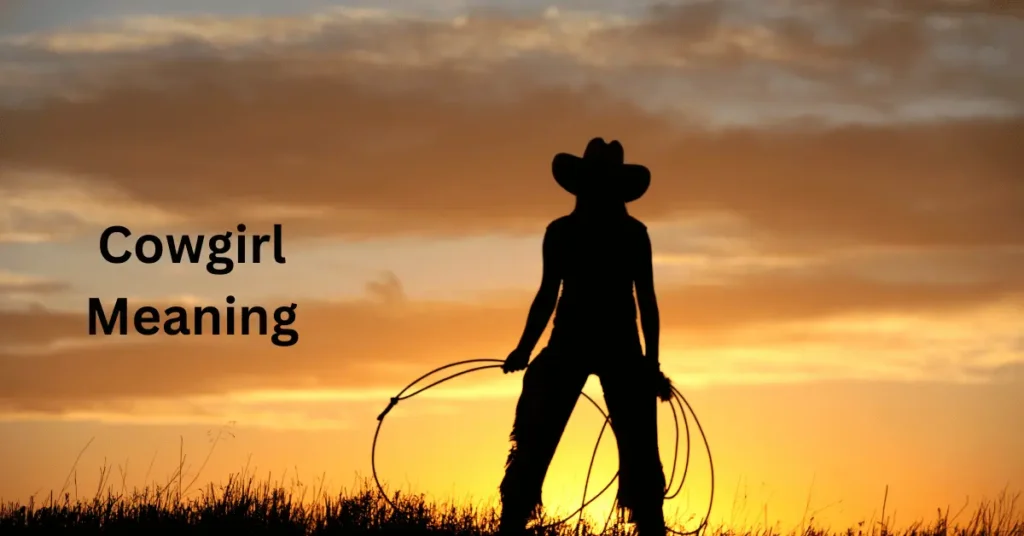
Did you hear about cowgirl meaning? When we think of a “cowgirl,” we often picture a woman riding a horse, wearing a cowboy hat, and working on a ranch.
But the meaning of “cowgirl” goes beyond just an image from the past. A cowgirl is a woman who rides horses and works with cattle, especially in the Western United States.
She’s strong, independent, and ready for adventure.
Whether it’s herding cows on a ranch or embracing the spirit of the American West, a cowgirl is all about courage, hard work, and a love for the great outdoors.
In this article, we’ll dive into what “cowgirl meaning” really means and explore how this iconic figure has shaped history and continues to inspire today.
What Does “Cowgirl” Mean?
The term “cowgirl” refers to a woman who rides a horse and works with cattle, particularly in the context of the Western United States.
While the role of a cowgirl can vary, it generally involves taking care of livestock, managing cattle, and performing ranch work.
This might include tasks like herding cows, branding, roping, and caring for horses.
The cowgirl’s work is deeply tied to the rural, agricultural lifestyle, and she plays a vital role in maintaining the smooth running of a ranch or farm.
Beyond just the physical work, being a cowgirl is about adopting a lifestyle. It involves a deep connection to nature, a sense of independence, and a rugged spirit.
Whether it’s a woman working on a ranch, competing in a rodeo, or embracing the western way of life in her fashion and attitude, the cowgirl embodies strength, resilience, and freedom.
In a broader sense, the term has also come to represent a woman who exhibits qualities traditionally associated with the American West—bravery, self-sufficiency, and an adventurous spirit.
While the role of a cowgirl originally meant someone working directly with cattle, today it can apply to anyone who embraces these traits, whether in rural or urban settings.
Being a cowgirl is more than just a job—it’s a symbol of a way of life rooted in hard work, determination, and pride in the land and animals she cares for.
The cowgirl’s role may have evolved, but the core values she represents—strength, independence, and a love for the outdoors—remain timeless.
Definition and Examples of “Cowgirl” Meaning
Definition
A “cowgirl” is a woman who works with cattle and horses, particularly in the Western United States, often on a ranch or farm.
This role involves horseback riding, managing livestock, and carrying out various ranching duties, such as herding cattle, roping, branding, and ensuring the animals are well cared for.
The term “cowgirl” is more than just an occupation—it represents a lifestyle of independence, hard work, and connection to the land and animals.
The term is rooted in the American West and evokes images of women who contribute significantly to ranching life, often taking on tasks that were traditionally done by men.
Cowgirls are known for their skills in riding and handling horses, as well as their ability to face challenges with grit and resilience.
While the classic image of a cowgirl is closely tied to rural and agricultural life, the meaning of “cowgirl” has evolved.
Today, it can also refer to women who embrace the cowboy or Western spirit, whether through fashion, rodeos, or simply adopting a courageous and adventurous attitude toward life.
Examples of “Cowgirl”
Traditional Ranching Example
A cowgirl may be a woman who works on a cattle ranch in Wyoming, waking up early each morning to tend to the horses, herd cattle, and assist with daily ranch chores.
She might spend long hours in the saddle, navigating through open fields, and helping manage the livestock with skill and precision.
Modern Cowgirl Example
A modern cowgirl might not work on a traditional ranch but still embraces the spirit of the American West.
She might be involved in rodeo competitions, where she competes in events like barrel racing or breakaway roping.
Even if she doesn’t live on a ranch, she might enjoy outdoor activities like hiking, camping, or horseback riding, and she expresses her love for the Western lifestyle through her fashion choices—denim jeans, boots, and a wide-brimmed hat.
Pop Culture Cowgirl Example
In pop culture, cowgirls are often depicted in movies and television shows. For example, a character in a Western film might be a cowgirl who rides alongside the cowboy heroes, proving that women can be just as brave and capable as men.
These characters help bring the cowgirl image to life in a way that inspires people, even outside of the ranching world.
Cowgirl in Rodeo
A female rodeo athlete competing in events such as bull riding, barrel racing, or bronc riding can be considered a cowgirl.
In these sports, women demonstrate their riding skills, strength, and fearlessness in the same way their male counterparts do.
Rodeo cowgirls are highly respected for their talents and continue the legacy of women in the Western lifestyle.
Word Origin of “Cowgirl”
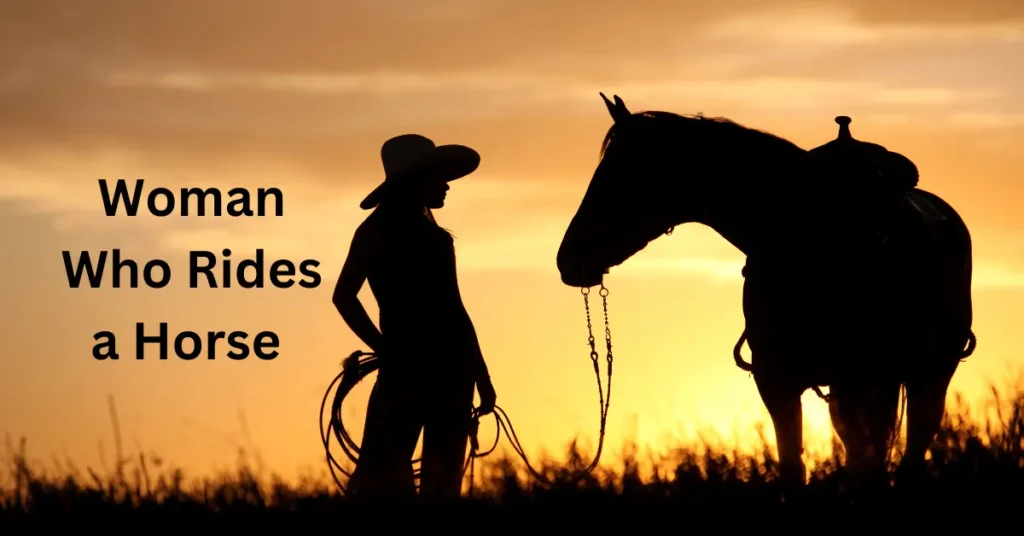
The word “cowgirl” is a combination of two words: “cow” and “girl,” which reflects its connection to ranching and the role of women in that environment.
- “Cow”: The word “cow” itself comes from the Old English word “cū,” which referred to the domesticated bovine animal. It has roots in the Proto-Germanic word kū, which is also the source of similar words in other Germanic languages, such as “Kuh” in German and “koe” in Dutch. Over time, “cow” came to specifically denote the female of cattle, although today it is often used broadly to refer to the species as a whole.
- “Girl”: The word “girl” has a fascinating history, originally meaning “young person” or “child” in English, without specifying gender. It wasn’t until the 16th century that it began to refer specifically to a female child or young woman. The word “girl” itself comes from Middle English “girle,” which meant a young female or child, and was related to the Old French term “girle” (which also meant a young woman or female).
The emergence of “Cowgirl”
The term “cowgirl” began to take shape in the late 1800s. As ranching expanded across the American West, women started working alongside men, performing tasks like managing cattle and riding horses.
The combination of “cow” and “girl” was a natural way to describe these women who were involved in the tough, physical work of cattle herding and ranching.
The first use of “cowgirl” as a distinct term is believed to have been in the 1880s, when the role of women in ranching became more recognized.
Before that, women working on ranches were often simply referred to as “ranch women” or “cowhands,” with little distinction made based on gender.
As women became more visible in the cowboy and rodeo culture, the term “cowgirl” emerged to describe their role and contributions to ranching life.
The term quickly spread in popularity, especially with the rise of Wild West shows in the late 19th and early 20th centuries.
These traveling exhibitions, which featured reenactments of frontier life, often showcased female riders and trick riders, highlighting the skills and bravery of cowgirls.
With this, the term became solidified in American culture and has since grown beyond its original context of ranching to embody a broader, more symbolic representation of strength, independence, and the spirit of the American West.
FAQs
What is a cowgirl?
A cowgirl is a woman who works with cattle and horses, typically on a ranch, especially in the Western United States. She rides horses, herds cattle, and often takes part in ranching tasks like branding, roping, and caring for livestock. The term is not just about the job but also reflects a lifestyle of independence, strength, and connection to the land and animals.
Is there a difference between a cowgirl and a cowboy?
Yes, the main difference is gender. A cowboy refers to a man who works with cattle and horses, while a cowgirl refers to a woman in the same role. Both share similar tasks and skills, but the term “cowgirl” specifically describes the female counterpart to the cowboy. Both are symbols of hard work and bravery in the American West.
Can a modern woman still be a cowgirl?
Absolutely! While the traditional role of cowgirls working on ranches may have evolved, modern women can still embody the cowgirl spirit. Whether through rodeo competitions, horseback riding, working in ranching, or simply embracing the independent and adventurous attitude of a cowgirl, the essence of being a cowgirl remains relevant today.
What does being a cowgirl represent?
Being a cowgirl represents strength, independence, and a love for the outdoors. It’s about resilience, facing challenges head-on, and having a deep connection with nature and animals. The term is also associated with the hardworking spirit of the American West, where women played a crucial role in ranching and farming life.
Are there any famous historical cowgirls?
Yes, several famous women from the past are considered iconic cowgirls. Annie Oakley, known for her sharpshooting skills, and Calamity Jane, who was a skilled horse rider and scout, are just two of the most well-known. Both of these women helped to shape the image of the cowgirl and became famous figures in the American Wild West. Their stories still inspire many today.
Conclusion
In simple terms, a “cowgirl” is a woman who works with cattle and horses, especially in the Western United States.
She represents strength, independence, and a deep connection to the land and animals. While the role of a cowgirl has evolved over time, the spirit of bravery and hard work remains the same.
Whether in the past or today, cowgirls continue to inspire with their resilience, love for adventure, and determination.
From ranching to rodeos, the cowgirl is a symbol of the American West that will never fade.
Extra Points on “Cowgirl”
- Cowgirl Fashion: The cowgirl look is iconic and instantly recognizable—think boots, jeans, plaid shirts, and wide-brimmed hats. This style has not only been embraced by ranchers but has also become a fashion statement in pop culture, especially in country music and Western movies.
- Cowgirls in Rodeo: Rodeo is one of the most popular ways to see cowgirls in action today. Many women compete in events like barrel racing, calf roping, and bull riding, showing off their skills and proving that cowgirls are just as tough as the cowboys!
- Cowgirls in History: Throughout history, women like Annie Oakley and Calamity Jane helped shape the image of the cowgirl. These women were pioneers in their fields, breaking stereotypes and showing that women could be just as skilled and brave as men in the Wild West.
- Modern-Day Cowgirls: Being a cowgirl isn’t just about working on a ranch anymore. Many women today embrace the cowgirl spirit in different ways—whether it’s by taking part in outdoor activities, living a rural lifestyle, or even by keeping the traditions of the American West alive through art, music, and fashion.
- Cowgirl Spirit: Beyond the physical work of ranching, the cowgirl spirit represents resilience, independence, and an adventurous heart. It’s about facing challenges head-on and embracing life with strength and courage—traits that are timeless, no matter where you are.