Boran Meaning

If you’ve ever heard the term “Boran,” you might be curious about what boran meaning is? Simply put, “Boran” refers to a special breed of African cattle that is known for its large hump on its neck.
These cows are not just interesting to look at; they are also very important for their milk and meat.
The Boran breed is well-adapted to the hot, dry climates of East Africa, making them tough and resilient animals.
In this article, we’ll dive into the meaning of Boran, its history, and why this unique breed is so valued in the world of livestock.
What Does It Mean?
The term Boran refers to a distinct breed of cattle that originates from East Africa, specifically in regions like Kenya and Ethiopia.
These cattle are easily recognizable because of their prominent feature: a large hump on their neck. This hump is a defining characteristic of the breed and serves a practical purpose—it allows the Boran to store fat, which is essential for survival in hot, arid environments where food and water can be scarce.
Boran cattle are well-known for their ability to endure tough conditions, making them an essential part of local farming and pastoral practices.
Unlike other cattle breeds, the Boran is not only valued for its strength and stamina but also for its milk and meat.
The milk produced by these cows is nutritious, and their meat is tender, making it highly sought after for both local consumption and trade.
In terms of physical appearance, Boran cattle usually have a medium to large size, with a well-built body that helps them thrive in the African climate.
They are typically white, light gray, or a reddish color, often with darker patches on their body. Their large, curved horns and hump are distinct features that make them easily identifiable.
Boran cattle are also part of the larger Zebu group of cattle, which are known for their adaptability to tropical climates.
Their ability to resist diseases and tolerate high temperatures has made them a popular breed for crossbreeding programs worldwide.
The Boran’s natural resilience, coupled with its productive qualities, makes it a valuable asset to the livestock industry.
Definition and Examples of Boran Meaning
Definition:
The term “Boran” refers to a breed of cattle that is native to East Africa, primarily found in countries such as Kenya, Ethiopia, and Somalia.
These cattle are easily identifiable due to their large, distinctive hump on their neck, which is a key characteristic of the breed.
The Boran breed is known for its resilience in harsh climates, particularly in hot, dry, and arid regions. The hump serves as a storage area for fat, enabling the cows to survive in environments with limited food and water.
In addition to their physical strength, Boran cattle are highly valued for their ability to produce nutritious milk and tender meat.
Examples:
- Boran Cattle in Kenya: In Kenya, the Boran breed is one of the most common cattle types raised by local pastoralist communities. These cattle are essential to the livelihoods of many families, as they provide both milk and meat. The Boran’s ability to thrive in the dry conditions of the region, where other breeds might struggle, makes them a reliable source of food and income.
- Boran Cattle in Crossbreeding: Due to their toughness and desirable traits, Boran cattle are often used in crossbreeding programs with other breeds of cattle around the world. For example, Boran cattle are commonly crossed with European breeds to improve the meat quality and disease resistance of the offspring. These crossbred cattle can offer better yields of milk and meat while also being adaptable to various climates.
- Boran’s Role in Ethiopian Agriculture: In Ethiopia, Boran cattle are considered a prized possession, with some farmers even using them in ceremonial roles or as a form of wealth. The Boran breed plays an important role in the country’s agricultural system, especially in rural areas where cattle are a primary resource for both nutrition and trade.
These examples showcase the Boran’s significance in different contexts, highlighting its importance not only as a source of food but also as an integral part of local economies and agricultural practices in East Africa.
Word Origin of Boran
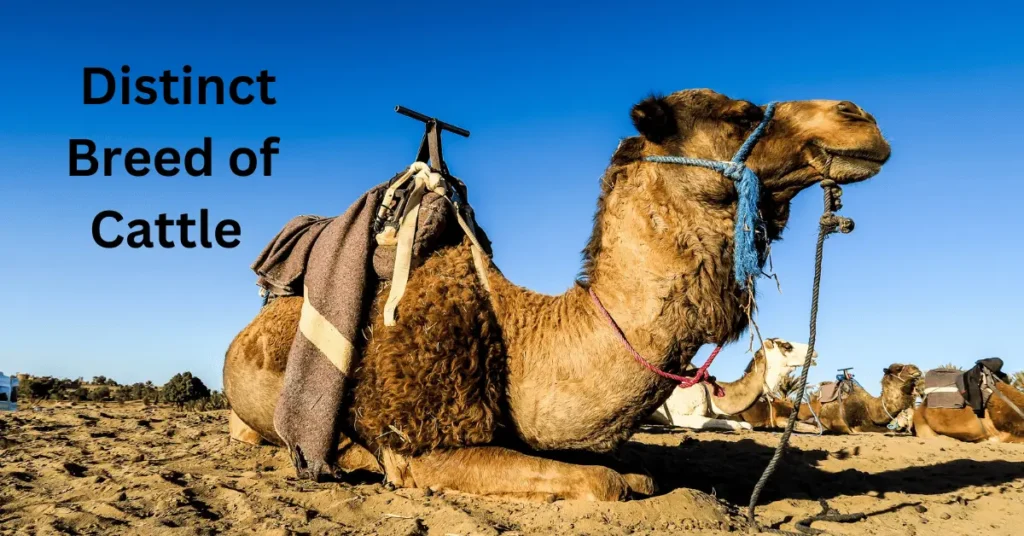
The word “Boran” is derived from the name of the breed of cattle that has been indigenous to East Africa for centuries.
The exact origin of the term “Boran” itself is not completely clear, but it is believed to be tied to the Borana people, a nomadic ethnic group in the Horn of Africa, primarily found in Ethiopia, Kenya, and Somalia.
The Borana people are known for their long history of cattle herding and pastoralism, and the cattle they raised were essential to their way of life.
The Boran breed is thought to have been named after the Borana people, as these cattle were integral to their culture and economy.
The term “Boran” was likely used to describe the type of cattle the Borana people raised, which are particularly suited to the hot, arid climates of East Africa.
Over time, the name “Boran” became widely associated with this specific breed of cattle, which is recognized today for its physical characteristics, such as its large hump and resilience to harsh environmental conditions.
The breed itself is part of the larger Zebu group of cattle, which is believed to have originated in South Asia and gradually spread to other parts of the world, including Africa.
The Zebu cattle group is known for its characteristic hump, and the Boran is one of the prominent breeds within this group in Africa.
The word “Zebu” itself comes from the Sanskrit word “śabala,” meaning “ox,” which was later adapted into the word “zebu” as it spread to various languages.
In short, the word “Boran” can be traced back to the Borana people, whose livestock played a critical role in their survival and culture, and over time, the name became synonymous with the breed of cattle that bears their name.
FAQs
What is a Boran cow?
A Boran cow is a breed of cattle native to East Africa, particularly in countries like Kenya, Ethiopia, and Somalia. They are known for their large hump on their necks, which helps store fat, enabling them to survive in hot, dry climates. Boran cattle are highly valued for their milk and meat, and they are also known for their resilience and adaptability to harsh environments.
Why do Boran cattle have a hump?
The hump on a Boran cow’s neck is a distinctive feature that helps the animal store fat. This fat reserve is crucial for survival in dry, arid climates where food and water might be scarce. The fat stored in the hump provides energy during times when the cattle cannot find sufficient food, allowing them to endure tough conditions.
What are Boran cattle used for?
Boran cattle are primarily raised for their milk and meat. Their milk is nutritious, and their meat is tender, making them a popular choice for both local consumption and trade. Additionally, Boran cattle are sometimes used in crossbreeding programs to enhance traits such as meat quality, disease resistance, and heat tolerance.
Where are Boran cattle primarily found?
Boran cattle are most commonly found in East Africa, especially in Kenya, Ethiopia, and Somalia. They are well-suited to the hot and dry conditions of these regions, where they are an important part of traditional farming and pastoralism.
Can Boran cattle be used for crossbreeding?
Yes, Boran cattle are often used in crossbreeding programs to improve the quality of other cattle breeds. Their resilience to heat and disease, as well as their good meat and milk production, make them an ideal choice for crossbreeding with other breeds, such as European cattle, to produce animals that thrive in a variety of climates and conditions.
Conclusion
In conclusion, the Boran is a unique and resilient breed of cattle that plays a vital role in East African agriculture.
Known for its large hump and ability to survive in hot, dry conditions, the Boran is highly valued for its milk, meat, and adaptability.
Whether used in local farming or in crossbreeding programs, the Boran’s toughness and productivity make it an important part of both traditional and modern livestock industries.
Its history and connection to the Borana people further highlight its cultural and economic significance in the region.
Extra Points
- Zebu Family: The Boran is part of the Zebu cattle family, which is known for its distinctive hump and ability to handle hot climates. Zebu cattle are found in many parts of the world, but the Boran is particularly important in East Africa.
- Hardy and Disease-Resistant: Boran cattle are known for their resistance to many diseases that affect other cattle breeds. This makes them a durable and reliable choice for farmers in regions where diseases are common.
- Role in Crossbreeding: Due to their strong qualities, Boran cattle are often used in crossbreeding with other cattle breeds. This helps improve traits like heat tolerance, disease resistance, and meat quality in other breeds.
- Valuable in Tough Conditions: The Boran’s ability to survive in dry, harsh climates with limited food and water makes them especially valuable in areas where other cattle breeds might struggle.
- Cultural Importance: Beyond their economic value, Boran cattle hold cultural significance for the Borana people, who have traditionally relied on them for food, trade, and as a symbol of wealth.