Ameen Meaning
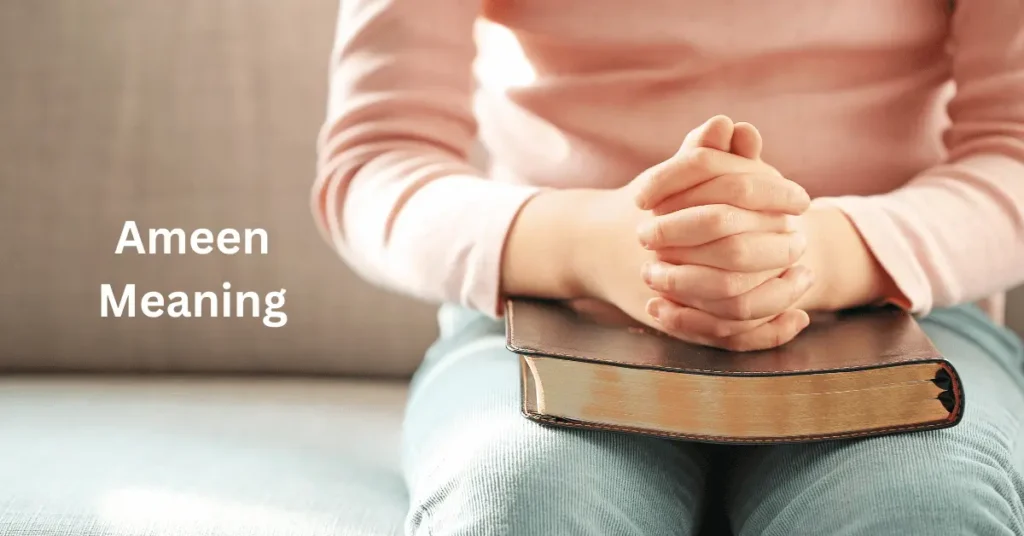
Have you ever come across the word “Ameen” and wondered what Ameen meaning is? Whether you’ve heard it in prayers or conversations, “Ameen” carries a deep and powerful meaning.
In this blog post, we’ll explore the true essence of “Ameen meaning,” and uncover the significance of this word that is rooted in faith, truth, and honesty.
So, let’s dive into understanding why “Ameen” is such an important and meaningful term in various cultures and religions.
What Does “Ameen” Mean?
The word “Ameen” holds a significant place in many cultures and religions, particularly in Islamic and Arabic traditions.
At its core, Ameen means faithful, truthful, and honest. It is often used to affirm a prayer, a wish, or a statement, expressing agreement or hope for its fulfillment.
The term is rooted in the concept of sincerity and trust, representing a declaration of belief or affirmation in something true and trustworthy.
In its most common use, “Ameen” is said at the end of a prayer, especially in Islam and Christianity, to express the hope that the prayer or blessing will be accepted and answered.
It’s a way to confirm the sincerity of the words spoken and to express faith in the outcome. It’s as if saying, “I believe this to be true” or “May it be so.”
The word itself originates from the Arabic root word “Aman,” which means “to be secure” or “to be truthful.”
This further emphasizes the connection between the word and the values of trust, truthfulness, and security in one’s faith and beliefs.
In addition to religious contexts, “Ameen” can also be used in everyday language as a way to show agreement with something that someone else has said, especially in situations involving good wishes, hopes, or aspirations.
Definition and Examples of Ameen Meaning
Definition
The word “Ameen” is an Arabic term that is commonly used in religious and everyday contexts. It is derived from the root word “Aman,” which means “to be secure” or “to be truthful.” As a result, “Ameen” can be defined as:
- Faithful: Representing loyalty, trustworthiness, and devotion.
- Truthful: Reflecting sincerity, honesty, and genuineness.
- Honest: Expressing openness and integrity, especially in communication.
In practical use, “Ameen” is often spoken at the end of a prayer, particularly in Islamic and Christian contexts, to express agreement, faith, or the hope that a prayer or wish will be granted.
It’s a way of affirming the truth of what was just said or requested, with the belief that it will be answered.
Examples of Ameen Meaning
In Religious Prayers
Islamic Example: In Islamic prayers, after reciting the opening chapter of the Qur’an (Al-Fatiha), Muslims say “Ameen” to confirm their trust in God’s mercy and the hope that their prayers will be answered.
Example: “Guide us to the straight path, Ameen.”
Christian Example: In Christian prayers, especially after petitions or blessings, “Ameen” is used to express belief that God will grant what is requested.
Example: “May peace be upon you, Ameen.”
In Everyday Usage
Affirmation of a wish or hope: In informal conversations, someone may say “Ameen” to affirm a positive wish or prayer that someone else has made.
Example: “I hope you find success in your new job. Ameen!”
Example: “May your life be filled with happiness and joy. Ameen!”
Cultural Use
Beyond religious settings, “Ameen” is sometimes used in various cultures as an expression of hope or agreement.
Example: “We all pray for peace in the world, Ameen.”
Example: “Ameen to your kind words, thank you for your support!”
This definition and set of examples should give readers a clear understanding of how “Ameen” is used in different contexts. Let me know if you’d like to adjust or expand anything!
Word Origin of Ameen

The word “Ameen” (آمين) has its roots in the Arabic language, deriving from the root word “Aman” (أمَنَ), which means “to be secure,” “to be truthful,” or “to be faithful.”
The root itself is tied to the concepts of trust, safety, and truth, all of which reflect the core qualities that the word “Ameen” conveys.
Arabic Origins
The Arabic root “Aman” (أمَنَ) carries a variety of meanings, primarily centered around the ideas of security, truth, and trust.
From this root, several words emerge that carry similar meanings, such as “Iman” (إيمان), which means “faith,” and “Amanah” (أمانة), which means “trust” or “honesty.”
This connection between “Ameen” and words associated with faithfulness, honesty, and integrity highlights the depth of meaning that the term carries.
The word “Ameen” itself is often used in the context of prayers, particularly in Islamic and Christian traditions, to signify a sincere wish or affirmation that what was just spoken is true, and that it will come to fruition.
The act of saying “Ameen” is akin to saying “so be it” or “may it be so,” emphasizing a deep sense of trust and belief in the words or requests made.
Linguistic Development
In both classical Arabic and modern Arabic, “Ameen” is commonly used to conclude prayers and invocations.
The word’s usage has transcended Arabic-speaking communities, spreading to different parts of the world, especially within Islamic, Christian, and Jewish traditions, where it is said at the end of prayers and blessings.
Other Religious Contexts
In the Hebrew Bible and in Jewish tradition, the word “Ameen” (or “Amen”) has a similar meaning, derived from the Hebrew root “ʾmn” (אמן), which also means “to be faithful,” “to confirm,” or “to support.”
The word “Ameen” in this context is used to express agreement, approval, or affirmation, and it appears frequently in prayers and blessings.
The word “Ameen” was then adopted into Christianity and Islam from Hebrew, further reinforcing its deep roots in ancient religious practices.
Evolution Across Languages
In addition to Arabic, “Ameen” (Amen) is widely used across many languages, including English, French, Spanish, and many others, reflecting the universal nature of its religious and cultural significance.
The meaning remains largely consistent, tied to the expression of belief and affirmation.
This origin explanation links the word “Ameen” to its historical, linguistic, and cultural development, showing how deeply embedded it is in religious traditions.
Let me know if you’d like to add any further details or changes!
FAQs
What does “Ameen” mean in Islam?
In Islam, “Ameen” means “so be it” or “may it be so.” It is said at the end of a prayer, especially after reciting Surah Al-Fatiha, to affirm that the prayer or request is sincere and to express the hope that Allah (God) will accept it and grant the desired outcome. It reflects faith and trust in God’s mercy.
Is “Ameen” used in other religions besides Islam?
Yes, “Ameen” is used in Christianity and Judaism as well. In these religions, it is often said at the end of prayers to affirm the truth and sincerity of the words spoken. The word has similar meanings across all three Abrahamic faiths, such as “so be it,” “truth,” or “let it be fulfilled.”
What is the origin of the word “Ameen”?
The word “Ameen” originates from the Arabic root word “Aman” (أمَنَ), which means “to be secure,” “to be truthful,” or “to be faithful.” It is closely related to the concepts of trust, truth, and affirmation. The term has been adopted into various languages and cultures, particularly in religious contexts.
Why is “Ameen” said after a prayer?
“Ameen” is said after a prayer to express agreement and affirmation. It is a way of confirming the sincerity of the words spoken and expressing a deep hope or belief that the prayer will be answered. It signifies faith in the divine and trust in the outcome of the prayer.
Can “Ameen” be used outside of religious settings?
While “Ameen” is primarily used in religious contexts, it can also be used in informal conversations to affirm positive wishes or hopes. For example, someone might say “Ameen” after hearing a prayer or kind words from others, reflecting agreement and goodwill. It serves as a way to express the hope that good things will come to pass.
Conclusion
In conclusion, the meaning of “Ameen” goes beyond just a word – it carries deep significance rooted in faith, truth, and trust.
Whether you hear it in a prayer or say it yourself, “Ameen” is a powerful expression of hope and belief that what was prayed for will come to pass.
From its Arabic origins to its widespread use in various religious traditions, this simple word unites people in their shared wishes and prayers for a better, more truthful world.
So, the next time you say “Ameen,” remember that it’s more than just a word; it’s an affirmation of your faith and trust in the divine.
Extra Points on “Ameen”
- A Global Word: “Ameen” is not only used by Muslims; it’s a word that resonates across many cultures and religions. Christians, Jews, and people from different backgrounds also use the term, showing its universal nature in affirming prayers and blessings.
- Symbol of Unity: Saying “Ameen” together during prayers or gatherings brings people together in faith and shared hope. It’s a powerful word that unites people in their wishes for peace, success, and blessings.
- A Personal Affirmation: When you say “Ameen,” you’re expressing your personal trust in the prayer or wish. It’s like saying, “I believe this is true” or “I hope this happens.” It’s an important part of making your prayer or intention feel real.
- A Meaningful Tradition: Across various faiths, the use of “Ameen” is a long-standing tradition. It connects people to their history, culture, and spiritual practices. It’s not just a word; it’s part of a shared ritual that has been passed down for centuries.
- An Expression of Hope: Ultimately, “Ameen” is all about hope. It’s a hopeful way of expressing that you trust the outcome of your prayers, and it brings positivity to your heart and mind, knowing that your requests are being heard.