Housekeeping Meaning
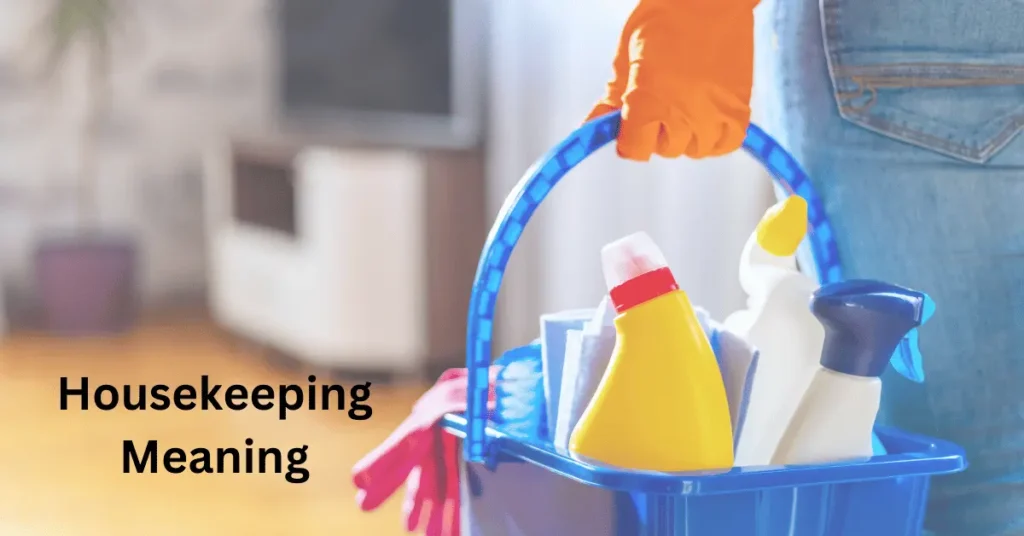
Housekeeping, most of us picture cleaning the house—vacuuming, dusting, and doing laundry. But there’s more to it than just the daily chores! The term “housekeeping meaning” goes beyond tidying up.
It refers to the overall management of a house and home affairs, including everything from organization to maintaining a comfortable living space.
Whether you’re running a busy household or simply trying to stay on top of your daily tasks, understanding the true meaning of housekeeping can help make the process feel more manageable and even enjoyable.
In this blog post, we’ll break down the concept of housekeeping and explore why it’s such an essential part of everyday life.
What Does Housekeeping Mean?
At its core, housekeeping refers to the management of a house and home affairs. It’s more than just cleaning; it’s about keeping a home running smoothly, organized, and comfortable.
Housekeeping involves a wide range of tasks, from routine cleaning to ensuring that household operations, such as laundry, cooking, and maintenance, are taken care of.
When we think of housekeeping, it typically brings to mind activities like dusting, vacuuming, and scrubbing the bathroom.
While these tasks are definitely a part of it, the meaning of housekeeping goes much deeper. It’s about creating a functional and pleasant environment for the people who live in the space.
Housekeeping can be broken down into several key areas:
- Cleaning: This includes everyday tasks like wiping down surfaces, mopping floors, and washing dishes. Cleaning is one of the most visible aspects of housekeeping because it directly impacts the comfort and hygiene of a home.
- Organization: Keeping things tidy and in their proper place is a big part of housekeeping. This could mean decluttering the living room, organizing the kitchen cabinets, or ensuring that the laundry is folded and put away.
- Maintenance: Regular maintenance ensures that everything in the house works properly. This could involve fixing broken appliances, checking plumbing, or replacing light bulbs.
- Laundry and Linen Care: Housekeeping also includes caring for linens, such as washing and ironing sheets, towels, and clothing, to ensure that the household is stocked with clean and fresh items.
- Meal Preparation: In some cases, housekeeping also extends to managing meal preparation. This involves planning, cooking, and cleaning up after meals, ensuring that the family or household has nutritious meals throughout the day.
- Financial Management: In larger households or even in professional housekeeping roles (like in hotels), housekeeping may also involve keeping track of budgets, managing grocery shopping, and coordinating schedules.
In essence, housekeeping is the art of managing a household’s daily activities in a way that ensures comfort, cleanliness, and efficiency.
Whether it’s done by a professional housekeeper or handled by the individuals living in the home, good housekeeping plays a major role in creating an organized and happy living environment.
It’s about keeping a balance between cleanliness, organization, and functionality so that every part of the home feels welcoming and in order.
Definition of Housekeeping Meaning
Housekeeping is the management of a house and home affairs, encompassing all the tasks that keep a home organized, clean, and running smoothly.
It involves everything from tidying up living spaces to maintaining appliances, ensuring that everything is in working order, and handling daily chores.
The core goal of housekeeping is to create a comfortable, functional, and well-maintained living environment for the people who live in a home.
Definition: Housekeeping refers to the process of managing and maintaining the domestic tasks necessary to keep a home in good condition. It includes activities related to cleaning, organizing, maintaining household systems, and managing the overall function of the home.
Housekeeping goes beyond just cleaning and involves ensuring that a household runs smoothly, that everything is well-kept, and that the environment remains comfortable for everyone living there.
Examples of Housekeeping
Cleaning and Tidying
The most basic and widely known example of housekeeping is regular cleaning. This includes dusting furniture, wiping down kitchen counters, vacuuming the floors, and cleaning bathrooms.
For example, wiping down surfaces every day to keep the kitchen clean, or scrubbing the bathtub and sink to maintain hygiene, are common housekeeping tasks.
Laundry and Linen Care
A key part of housekeeping is washing and caring for laundry. This includes washing, drying, ironing, and folding clothes, as well as managing household linens such as towels, bed sheets, and tablecloths.
For instance, if you’re washing the family’s clothes and making sure the beds are freshly made with clean sheets, you’re performing essential housekeeping duties.
Organization and Decluttering
Housekeeping also involves organizing and decluttering various areas of the home, like the living room, bedroom, or kitchen.
For example, regularly sorting through mail, organizing the pantry, or tidying up toys in a child’s room are all key examples of housekeeping tasks that help maintain order and reduce clutter.
Meal Planning and Preparation
For some, housekeeping extends to planning, preparing, and serving meals. This could involve creating weekly meal plans, grocery shopping, cooking meals, and cleaning up afterward.
An example could be preparing a week’s worth of dinners in advance, so the family has healthy and ready-to-eat meals throughout the week.
Household Maintenance and Repairs
Beyond cleaning and organizing, housekeeping also involves performing regular maintenance to ensure the home stays in good working order.
This includes things like fixing leaks, checking the HVAC system, replacing light bulbs, and servicing appliances. For example, you might notice a leaking faucet and repair it or make sure the furnace is cleaned before the winter months.
Managing Household Supplies and Budgeting
Keeping track of household supplies and managing the household budget is another important part of housekeeping.
This could mean creating a shopping list for essentials like cleaning products, food, and toiletries.
For instance, organizing the household budget to track spending on groceries or utilities is also an example of managing home affairs within the scope of housekeeping.
Personal Care and Comfort
Housekeeping can also include creating a relaxing and comfortable environment in the home.
This could involve tasks like making sure the living room is comfortable with pillows and throws, maintaining a pleasant aroma in the house with candles or air fresheners, or ensuring that the bedroom is peaceful and inviting for a good night’s rest.
In summary, housekeeping is much more than just the act of cleaning. It includes all the efforts made to manage, organize, and maintain a home effectively.
From basic chores like cleaning and laundry to more complex tasks like maintenance, budgeting, and meal planning, housekeeping ensures that a home remains a comfortable, functional, and organized space for everyone who lives there.
Whether done by a professional housekeeper or the members of the household themselves, the meaning of housekeeping is to create an environment that is both efficient and pleasant to live in.
Word Origin of Housekeeping
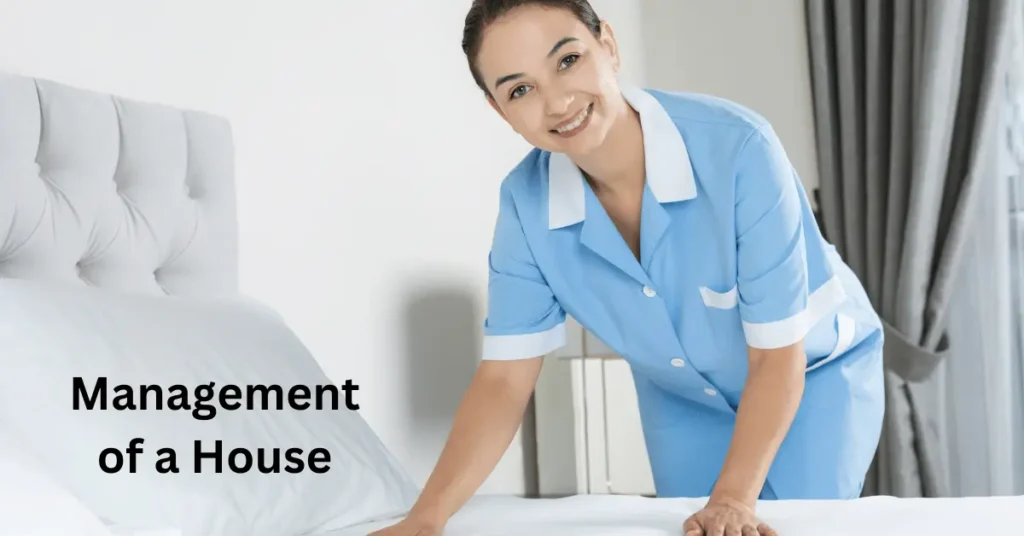
The word “housekeeping” has its roots in Old English and can be traced back to the Middle Ages, evolving over time to encompass the wide range of tasks associated with managing a household.
Let’s break down the word’s origin and how it came to represent what we understand as housekeeping today.
Old English Origins
The word “housekeeping” is a compound of two Old English words:
- “House”: Derived from the Old English word “hūs”, which means a dwelling, home, or shelter. This word itself traces back to the Proto-Germanic word “hūsą”, which referred to a structure where people lived.
- “Keeping”: This part of the word comes from the Old English “cypan” (to keep, guard, or manage). It comes from the Proto-Germanic word “keipan”, meaning to take care of, hold, or protect.
In its earliest usage, the term “housekeeping” referred to the act of keeping or managing the house, including overseeing the day-to-day running of the home, ensuring that it was a safe, functional, and orderly place to live.
Evolution of the Term
As society progressed, particularly through the Medieval and Renaissance periods, the role of housekeeping expanded.
During these times, large households often had servants or staff, and housekeeping tasks were divided among many people, especially in aristocratic or royal households.
The “housekeeper” often became a formal title for the person in charge of the domestic staff, responsible not just for cleaning but for overseeing the entire functioning of the household, including food management, servant organization, and household budgeting.
The Role of Women in Housekeeping
Historically, housekeeping was considered a predominantly female role within the household, especially in agrarian societies and the early Industrial Revolution.
Women were typically responsible for managing domestic tasks, including cooking, cleaning, child-rearing, and maintaining the household.
This was part of their broader role as caretakers of the family’s wellbeing, although over time, the term “housekeeping” began to also encompass a professional occupation, particularly with the rise of hotels and large estates in the 18th and 19th centuries.
Modern Usage
By the 20th century, especially in the post-World War II era, the term “housekeeping” became more formalized, especially with the growth of the hospitality industry.
In hotels and commercial establishments, “housekeeping” evolved to refer to professional cleaning and organizational services offered to guests.
The word “housekeeping” thus gained a broader meaning, from the tasks associated with home management to the more specific professional services now common in hotels, offices, and even residential spaces.
The word “housekeeping” evolved from the Old English words “hūs” (house) and “cypan” (to keep).
Originally, it referred to the management and care of the home, a role that has expanded over time. Historically tied to women’s roles in domestic spaces, the meaning of the term grew in scope as society advanced, eventually including both personal and professional responsibilities.
Today, housekeeping is understood to mean the broad range of tasks that go into maintaining a clean, organized, and efficient living or working space.
FAQs
What is housekeeping?
Housekeeping refers to the management and care of a household, including tasks such as cleaning, organizing, laundry, and ensuring that everything in the home is functioning properly. It can also involve managing the home’s finances, meal preparation, and maintaining household items like appliances and furniture. Essentially, housekeeping is about keeping a home organized, clean, and comfortable.
Why is housekeeping important?
Housekeeping is essential because it ensures a home is clean, organized, and well-maintained. A tidy and well-maintained home promotes a healthy living environment by reducing allergens, preventing pest infestations, and improving overall hygiene. It also creates a comfortable space, reducing stress and improving mental well-being. Effective housekeeping helps everything in the home run smoothly, from cleaning chores to ensuring appliances are in good working order.
What tasks are included in housekeeping?
Housekeeping tasks can vary depending on the household, but they generally include:
Cleaning: Dusting, vacuuming, mopping, and sanitizing surfaces.
Laundry: Washing, drying, ironing, and folding clothes and linens.
Organization: Tidying up rooms, organizing closets, and decluttering spaces.
Maintenance: Fixing broken items, changing light bulbs, and performing minor repairs.
Meal Preparation: Planning and preparing meals, as well as cleaning up afterward.
Budgeting and Shopping: Managing household supplies and ensuring there are enough groceries and cleaning products.
Can housekeeping be outsourced?
Yes, housekeeping can definitely be outsourced. Many people hire professional housekeeping services to handle cleaning and organizing tasks. This can be especially helpful for busy households, people with physical limitations, or those who prefer to focus their time on other activities. Professional housekeepers typically provide services like deep cleaning, regular maintenance, and even laundry, depending on the needs of the household.
What skills are required for housekeeping?
Housekeeping requires several practical skills to ensure tasks are done efficiently and effectively. These skills include:
Attention to Detail: Being thorough when cleaning and organizing spaces.
Time Management: The ability to plan and complete tasks within a set timeframe.
Organization: Keeping items in their proper place and maintaining order in the home.
Basic Maintenance Knowledge: Knowing how to perform minor repairs or identify when an item needs fixing.
Physical Endurance: Some housekeeping tasks, like cleaning large areas or lifting heavy items, require physical stamina.
Conclusion
In short, housekeeping is all about managing the daily tasks that keep a home clean, organized, and comfortable.
From cleaning and laundry to maintenance and meal prep, it ensures that everything in the house runs smoothly.
Whether you’re doing it yourself or hiring a professional, good housekeeping creates a pleasant living environment and promotes a healthy, stress-free home.
Understanding the meaning and importance of housekeeping helps us appreciate the effort that goes into maintaining a space we call home.
Extra Points on Housekeeping
- Housekeeping and Mental Health: A clean and organized home can have a big impact on your mental well-being. When everything is in its place and your space is tidy, it can help reduce stress and create a calm, peaceful environment.
- Eco-Friendly Housekeeping: Many people are turning to eco-friendly cleaning products to reduce their environmental impact. Using natural ingredients like vinegar, baking soda, or biodegradable cleaners can help keep your home clean while being gentle on the planet.
- Housekeeping for Productivity: A well-organized home can make you more productive. When your space is clutter-free, it’s easier to focus on work, study, or other activities. Housekeeping helps create an environment that boosts efficiency and concentration.
- Housekeeping Saves Money: Keeping up with regular cleaning and maintenance can help prevent bigger problems later on. For example, fixing a small leak before it becomes a major water damage issue can save you a lot of money in repairs.
- The Joy of Routine: Regular housekeeping tasks, like cleaning and organizing, can become a healthy routine. They help keep your home in order and provide a sense of accomplishment, making everyday life feel more manageable.
- Professional Housekeeping Services: If you’re too busy or don’t have the energy for housekeeping, hiring a professional service can be a big help. They bring expertise and efficiency, allowing you to focus on other priorities while ensuring your home stays clean and well-maintained.