Purple Heart Meaning

Let’s learn about purple heart meaning. The Purple Heart is a symbol of sacrifice, and it holds a special place in the hearts of many Americans.
This military decoration isn’t just about a shiny medal—it represents the bravery and pain endured by those who have served in combat.
Whether awarded to someone who was wounded or posthumously given to a fallen hero, the Purple Heart carries deep meaning.
In this article, we’ll explore what the Purple Heart truly means, its rich history, and why it’s so important. Let’s dive into the powerful story behind this symbol of sacrifice.
What Does it Mean?
The Purple Heart is a powerful symbol of sacrifice, specifically awarded to members of the U.S. military who have been wounded or killed in combat.
It’s not just a decoration or an achievement—it represents the hardships and personal costs endured by those who serve their country in times of war.
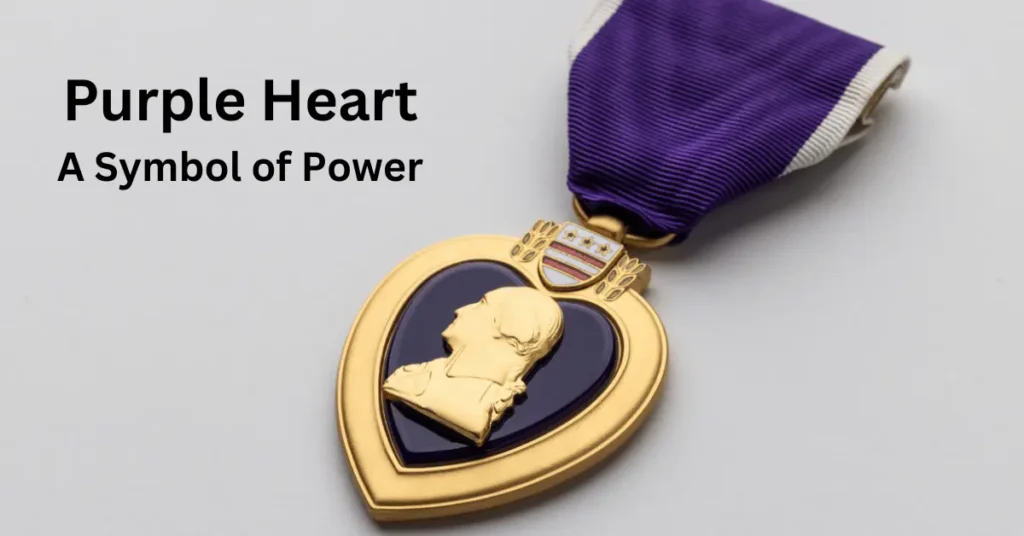
The heart-shaped medal, draped in purple, serves as a visual reminder of the bravery and courage of service members who have faced danger head-on.
At its core, the Purple Heart signifies the ultimate personal sacrifice: the willingness to put one’s life on the line for the greater good.
It’s awarded to those who have been injured by enemy action, acknowledging both their physical pain and the emotional toll of serving in a war zone.
For those who are tragically killed in combat, the Purple Heart is often presented posthumously to their families, further symbolizing the profound loss and sacrifice made.
The purple color of the medal itself is symbolic. Purple is traditionally associated with courage and loyalty, both qualities exemplified by the service members who receive this award.
It also serves as a reminder of the deep emotional and physical scars left behind after combat, as many recipients face long journeys of recovery, both mentally and physically.
In a broader sense, the Purple Heart embodies the principle that freedom often comes at a great cost. It’s a reminder of the sacrifices made by those who wear it, as well as a way for society to honor and remember their service.
Whether proudly worn by a veteran or displayed in a family home, the Purple Heart is not just a medal; it is a symbol of sacrifice, valor, and the unbreakable commitment to defend the nation’s values.
Definition of Purple Heart Meaning
The Purple Heart is a military decoration awarded to U.S. military personnel who have been wounded or killed in combat. It serves as a symbol of personal sacrifice, bravery, and service to the nation.
The meaning behind the Purple Heart is rooted in the idea of honoring those who have faced danger on the battlefield and suffered physical or emotional injury as a result.
It is a reminder of the pain and hardships endured by those who serve in wartime, and the medal represents the courage it takes to endure such challenges.
The Purple Heart is awarded to soldiers, sailors, airmen, marines, and coast guardsmen who are wounded or killed while serving in a combat zone.
The medal’s design—a heart-shaped emblem with a profile of George Washington—carries deep symbolic meaning. Purple, the color of the medal, traditionally symbolizes valor, bravery, and the emotional toll of war.
The inscription “For Military Merit” on the back emphasizes the sacrifices made by the recipients in the line of duty.
Examples of Purple Heart Meaning
A Soldier Injured in Combat
Imagine a U.S. Army soldier serving in a combat zone in Afghanistan. During a firefight, the soldier is struck by shrapnel from an enemy grenade.
Despite his injuries, he continues to fight and help his comrades. The soldier is later treated in a military hospital and eventually awarded the Purple Heart for his bravery and sacrifice.
In this example, the Purple Heart symbolizes the soldier’s willingness to risk his life for his fellow service members and for his country, even at the cost of his own safety.
A Fallen Hero
A Marine is deployed to Iraq and tragically loses his life during a mission when his vehicle is hit by an explosive device.
The soldier is posthumously awarded the Purple Heart for his ultimate sacrifice. His family receives the medal in honor of his courage and commitment to the mission.
In this case, the Purple Heart represents the ultimate sacrifice—a life given in service to the country. It acknowledges the emotional toll the loss takes on the family and honors the service member’s bravery and dedication.
A Veteran’s Long Recovery
After being severely injured during combat, a Navy sailor undergoes several surgeries and years of rehabilitation.
Despite the physical and emotional challenges of recovery, the sailor continues to live a life full of purpose, becoming an advocate for veterans’ mental health.
The sailor’s Purple Heart is not only a mark of his sacrifice during combat but also a symbol of his ongoing resilience and recovery.
In this instance, the Purple Heart is a reminder of the lasting impact of war, both on the body and the mind.
These examples highlight the varied ways the Purple Heart represents sacrifice. It’s not just a medal given for an injury or death; it’s a symbol of courage, hardship, and the price of freedom.
Each recipient’s story adds layers of meaning to the Purple Heart, showing that the value of this decoration goes far beyond its physical form.
It’s a tribute to those who put their lives on the line for others, demonstrating the true meaning of sacrifice.
Word Origin of the Purple Heart
The term “Purple Heart” has its roots in a significant piece of American military history, and its origin dates back to the early days of the United States.
The story of the Purple Heart begins with the establishment of the “Badge of Military Merit” in 1782 during the American Revolutionary War, long before it became the modern Purple Heart we recognize today.
The Badge of Military Merit (1782)
The origins of the Purple Heart can be traced back to General George Washington, who, in 1782, created the “Badge of Military Merit” to recognize soldiers who demonstrated exceptional bravery and distinguished service during the Revolutionary War.
This badge, designed by Washington himself, was meant to reward those who had shown extraordinary courage, especially when they displayed acts of valor in the face of battle.
The original badge was a heart-shaped purple cloth sewn onto the uniforms of the recipients, making it a symbolic but relatively simple recognition of heroism.
The Badge of Military Merit was awarded only three times during the Revolutionary War and was discontinued after the conflict.
The recipients—two soldiers, Sergeant Elijah Churchill and Sergeant William Brown, and one officer, Lieutenant Colonel William Douglas—were honored for their brave and distinguished actions.
However, after the end of the war, the badge was forgotten for many years, and it wasn’t revived until much later.
The Purple Heart’s Modern Origins (1932)
The modern Purple Heart as we know it today was reestablished on February 22, 1932, the 200th anniversary of George Washington’s birth.
The U.S. military, under the direction of General Douglas MacArthur, revived the Badge of Military Merit and transformed it into the Purple Heart.
The decision to reintroduce the award came as part of efforts to honor Washington’s legacy and to create a formal decoration for soldiers who were wounded or killed in combat.
General MacArthur chose the name “Purple Heart” for this newly designed medal, in part due to the historical connection with the original “Badge of Military Merit” and the purple cloth used in its design.
The color purple also had a strong symbolic association with courage, bravery, and sacrifice, making it a fitting choice for the medal’s new form.
The modern Purple Heart features a purple ribbon with a heart-shaped medal displaying a profile of George Washington, reinforcing the historical link to the original badge.
The design of the modern Purple Heart was carefully chosen to reflect both the tradition of the earlier badge and the gravity of its new purpose.
While the Badge of Military Merit was relatively simple and made of cloth, the Purple Heart became a distinguished medal, cast in bronze and suspended from a purple ribbon.
Significance of the Name
The name “Purple Heart” emphasizes the symbolism of the medal, representing both the color purple (which signifies courage and valor) and the shape of the heart, which speaks to the personal sacrifice and emotional cost of war.
The term “heart” also reflects the deep emotional and physical toll borne by service members who are injured or killed in combat.
It signifies the courage and sacrifice required to defend the nation, and it has become a universally recognized symbol of military sacrifice.
Over the years, the Purple Heart has grown into one of the most respected and honored military decorations.
While its name and design may have evolved from the original Badge of Military Merit, the core meaning remains the same: it is a tribute to those who have been wounded or killed in the line of duty, marking their courage, sacrifice, and unwavering commitment to the defense of their country.
The Evolution of the Purple Heart
Since its reestablishment in 1932, the Purple Heart has undergone a few changes, but its fundamental meaning has remained unchanged.
In addition to being awarded to those who are wounded in combat, it can also be presented posthumously to families of those who have made the ultimate sacrifice.
The process for receiving the award has also become more streamlined, but the significance remains profound.
Today, the Purple Heart is one of the most recognized symbols of military service and sacrifice in the U.S., awarded to thousands of men and women who have been injured or killed while serving their country.
The name and design of the Purple Heart continue to reflect both the historical and symbolic weight of the award, honoring those whose sacrifices have helped to secure the freedoms that define the nation.
In summary, the word “Purple Heart” is not only a reference to the physical characteristics of the decoration itself but also a powerful symbol of the sacrifices made by those who wear it.
Its origins, deeply rooted in the American Revolution and redefined in the 20th century, continue to serve as a poignant reminder of the courage, honor, and personal cost associated with military service.
FAQs
Who is eligible to receive the Purple Heart?
The Purple Heart is awarded to U.S. military personnel who are wounded or killed in action during combat. It is given to service members who have been injured by enemy forces or have made the ultimate sacrifice by losing their lives in combat. The award is available to members of all branches of the U.S. military, including the Army, Navy, Air Force, Marines, and Coast Guard.
Can civilians receive the Purple Heart?
No, the Purple Heart is a military decoration and is only awarded to active military personnel or veterans who have been wounded or killed in combat. Civilians cannot receive the Purple Heart, although there are other awards and recognitions for civilians who contribute to national security or are affected by military actions.
How many times can someone receive the Purple Heart?
A person can receive the Purple Heart multiple times if they are wounded more than once in combat. Each additional award is represented by an oak leaf cluster on the ribbon of the Purple Heart. This allows the award to acknowledge each individual injury, emphasizing the repeated sacrifice of the service member.
Is the Purple Heart only awarded to those who are physically wounded?
The Purple Heart is traditionally awarded to those who have been physically injured in combat, but it can also be awarded to service members who suffer wounds that result in death. In cases where a service member dies as a result of combat injuries, the Purple Heart is often presented posthumously to the family. In some rare instances, the Purple Heart has been given to those who suffer severe mental or emotional injuries as a result of combat.
Can the Purple Heart be awarded to someone who is wounded during training or in non-combat situations?
No, the Purple Heart is only awarded to those who are injured or killed as a result of enemy action in a combat zone. Injuries sustained during training exercises, accidents, or non-combat situations do not qualify for the Purple Heart. The award is strictly reserved for those who suffer harm directly from combat with the enemy.
Conclusion
In conclusion, the Purple Heart is a powerful symbol of sacrifice, bravery, and honor.
It is awarded to U.S. military members who have been wounded or killed in combat, recognizing their courage and the personal costs of serving in times of war.
Whether received for physical injury or posthumously for those who made the ultimate sacrifice, the Purple Heart serves as a reminder of the sacrifices made to protect freedom.
This simple yet meaningful medal tells the story of service members’ dedication and the price of liberty, making it one of the most respected awards in the military.
Extra Points on the Purple Heart
- One of the Oldest Military Awards: The Purple Heart is one of the oldest military decorations still in use today. It was first established in 1782 by General George Washington, making it a long-standing symbol of bravery and sacrifice in U.S. military history.
- Multiple Awards Are Possible: If a service member is wounded more than once in combat, they can receive multiple Purple Hearts. Each additional award is marked by an oak leaf cluster, showing the ongoing sacrifices made during their service.
- It’s Not Just for Soldiers: While most people think of soldiers when they hear “Purple Heart,” it’s actually awarded to members of all branches of the U.S. military, including the Army, Navy, Marines, Air Force, and Coast Guard.
- Awarded for Combat-Related Injuries Only: The Purple Heart is specifically given to those injured by enemy action in combat. Injuries from training accidents, non-combat situations, or natural causes do not qualify for this award.
- A Posthumous Honor: The Purple Heart can be awarded posthumously to the families of military members who lose their lives in combat. In these cases, it serves as a tribute to the ultimate sacrifice made by the service member.
- Recognizing the Sacrifice: Beyond its status as a medal, the Purple Heart is a way for the nation to recognize the pain, suffering, and personal sacrifice that military personnel endure while serving their country. It’s a symbol of resilience and the price of freedom.