Metanoia Meaning
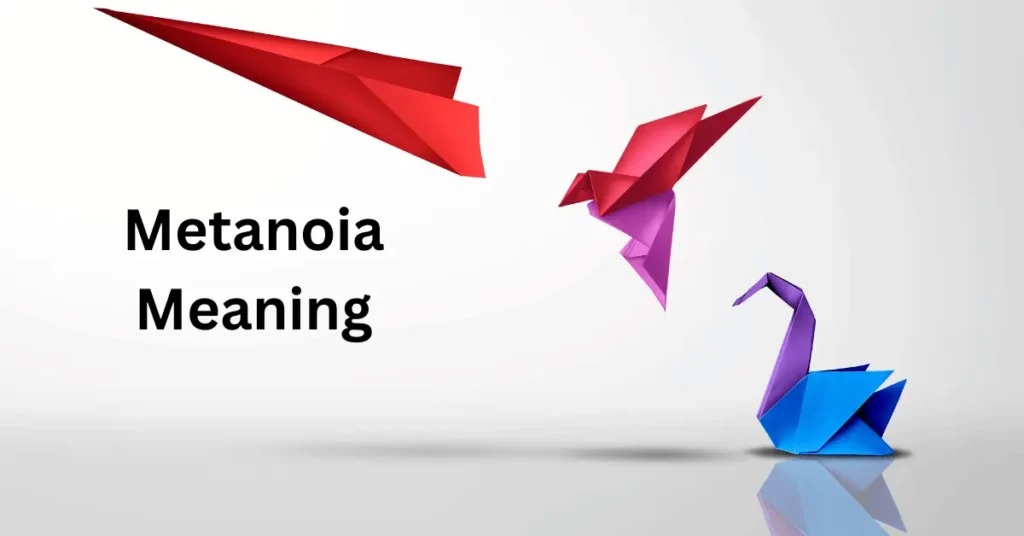
Have you ever experienced a moment where everything suddenly clicked, and you saw things in a completely new light?
That’s the essence of metanoia—a powerful term that means “hanging one’s mind.” It’s not just about changing your thoughts; it’s about transforming how you see and experience the world.
Whether it’s through personal growth, a big life change, or even a spiritual awakening, metanoia is about a deep mental shift that can completely reshape your life.
In this post, we’ll dive into what metanoia meaning truly is, its origins, and how it can lead to a more meaningful and fulfilling journey.
Let’s explore this fascinating concept together!
What Does It Mean?
Metanoia is a term that holds profound significance, especially when we think about personal transformation and growth.
The word itself comes from the Greek language, where “meta” means change, and “noia” refers to the mind or thought.
Together, they create the idea of “changing one’s mind,” but it’s much deeper than simply having a different opinion on something.
At its core, metanoia describes a radical shift in how a person perceives the world, themselves, and their place in it.
It’s not just about a surface-level change in thinking—it’s a complete overhaul of one’s mindset or worldview. It’s as if you “hang your mind” on a different peg, and everything in your life is seen through a new lens.
This mental shift often leads to profound changes in behavior, values, and actions. For example, someone going through metanoia might reevaluate their life choices, relationships, career paths, or spiritual beliefs.
They might let go of old habits or outdated thought patterns that no longer serve them, making room for new perspectives that are more aligned with their current self.
In some cases, metanoia can come suddenly—a powerful moment of insight that completely transforms how you see the world.
At other times, it can be a gradual process that unfolds over time, as you begin to recognize patterns of thinking that need to change.
Either way, the outcome is a significant mental transformation that reshapes how you engage with the world.
One of the most important aspects of metanoia is that it’s a deeply personal experience. It’s about shifting from one mental state to another, often leading to greater clarity, peace, and understanding.
This could be a spiritual awakening, a breakthrough in therapy, or even a realization after a difficult life event.
Whatever the catalyst, metanoia is about letting go of old, limiting beliefs and opening yourself up to new possibilities.
In a nutshell, metanoia is the process of fundamentally changing how you think, feel, and live—a complete renewal of the mind that has the power to transform every area of your life.
Definition of Metanoia Meaning
Metanoia is a term that describes a profound transformation of one’s mind or way of thinking.
Derived from the Greek words meta (meaning “change”) and noia (meaning “mind” or “thought”), metanoia refers to a complete shift in perspective that leads to a deeper understanding or realization.
It is often associated with a shift in beliefs, attitudes, and values, which results in a noticeable change in behavior or lifestyle.
Unlike a simple change of opinion, metanoia involves a thorough and sometimes life-altering transformation in the way a person perceives the world, themselves, or their circumstances.
This process often requires letting go of old thought patterns or limiting beliefs and embracing a more open, expansive way of thinking.
While metanoia is commonly linked to religious repentance, it can also be a secular concept, describing personal growth, psychological breakthroughs, or profound moments of self-realization. The essence of metanoia is that it leads to lasting change and a deeper connection with one’s true self or purpose in life.
Examples of Metanoia Meaning
Spiritual Awakening
A person may undergo metanoia after a spiritual or religious experience. For instance, someone who has lived their life with a focus on material success might experience a shift in perspective after a moment of profound spiritual insight, such as a retreat or a deeply moving prayer.
They might realize that their previous priorities—like accumulating wealth or achieving status—are no longer fulfilling, and they decide to adopt a more spiritual or service-oriented lifestyle.
This change in mindset and purpose is a powerful example of metanoia.
Therapeutic Breakthrough
In therapy, metanoia can happen when an individual confronts deeply held fears or insecurities that have shaped their behavior for years.
For example, someone who has suffered from anxiety might, through therapy, come to realize that their fears are largely based on past trauma or misconceptions.
This insight can lead to a shift in how they view themselves, allowing them to begin healing and breaking free from old patterns.
This moment of realization—where old thought patterns are replaced with new, healthier ones—is a classic example of metanoia.
Personal Growth After a Life Event
Sometimes, a major life event like a breakup, loss, or career change can trigger metanoia. For instance, imagine someone who has been unhappy in their career for many years, but has been too afraid to make a change.
After experiencing a challenging event, such as being passed over for a promotion or realizing their job no longer aligns with their values, they may have a moment of clarity.
They might recognize that their dissatisfaction is due to a lack of alignment with their true passions, prompting them to make a major career shift or pursue something they are genuinely passionate about.
This moment of change, where they reframe their entire approach to life and work, exemplifies metanoia.
Cultural or Societal Transformation
Metanoia can also happen on a larger scale. For example, in history, there have been times when societies undergo significant changes in beliefs or values, such as the Civil Rights Movement in the United States.
As people come to realize the injustices of the past and the need for equality, their collective mindset begins to shift.
This societal shift toward justice and equality represents a form of metanoia, where the community collectively changes its approach to human rights and fairness.
Environmental Awareness
Another example of metanoia can be seen in the growing awareness about environmental issues. A person who once paid little attention to sustainability might experience metanoia after learning about the damaging effects of climate change.
This realization may lead them to completely change their lifestyle, adopting more eco-friendly habits like reducing waste, using renewable energy, or advocating for climate action.
The moment they shift from being indifferent to actively caring about the planet is a personal metanoia.
In each of these examples, metanoia represents a deep and often life-changing transformation that stems from a shift in mindset.
Whether sparked by a spiritual awakening, a psychological breakthrough, a personal experience, or a cultural movement, metanoia serves as a powerful reminder that change is possible—sometimes it just takes a profound shift in how we think and perceive the world around us.
Word Origin of Metanoia
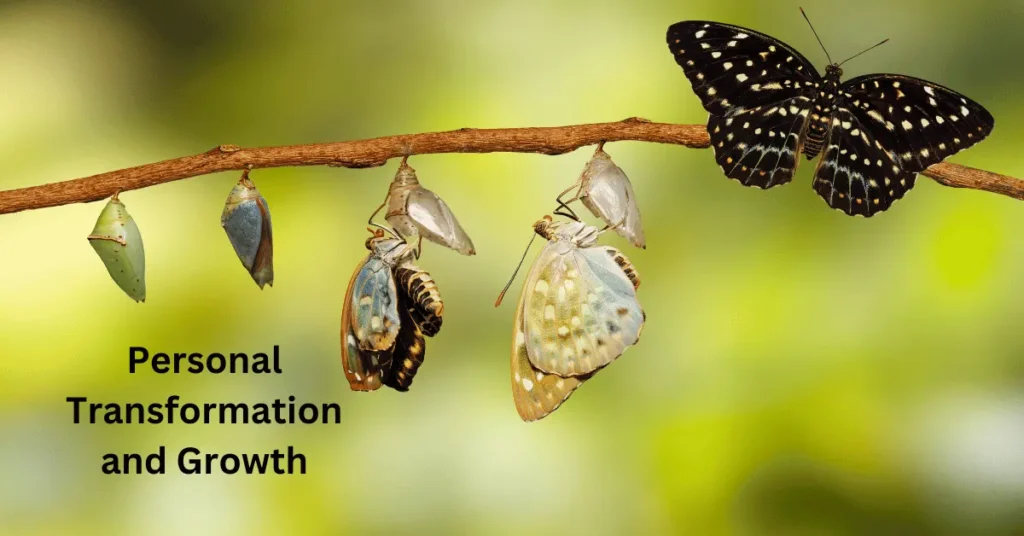
The word metanoia has deep roots in the Greek language and its origin can be traced to the combination of two Greek words: meta and noia.
- Meta (μετά) – The word meta translates to “change” or “beyond.” In its simplest form, it implies movement or transformation. It often suggests something that transcends or goes beyond the present state of being or understanding. For example, in words like metaphysics (beyond the physical) or metamorphosis (a change in form), meta indicates a transition or a profound shift.
- Noia (νόησις) – The second part of the word, noia, comes from the Greek word nous, which means “mind,” “intellect,” or “thought.” It refers to the mental processes of perception, understanding, reasoning, and reflection. Noia thus conveys the concept of thinking, knowing, or reasoning about something.
When these two parts—meta and noia—are combined, the word metanoia literally translates to “a change of mind” or “beyond the mind.”
However, the true depth of metanoia goes beyond simply altering one’s thoughts.
In its historical and philosophical use, it has come to signify a complete transformation in one’s mindset or way of thinking, often involving a shift in beliefs, attitudes, or worldview.
Historical Usage of Metanoia
In ancient Greek philosophy, metanoia was used to describe a fundamental shift in one’s mental state, particularly in the context of self-awareness and moral or philosophical enlightenment.
The concept of metanoia was important in both philosophical thought and religious practices.
- Philosophical Context: In early Greek philosophy, metanoia was used to denote a change of mind or a reconsideration of one’s views. The idea was linked to personal growth and intellectual transformation. Philosophers like Plato and Aristotle, while not using the term itself explicitly, touched on the concept when discussing moral and intellectual shifts that would lead to greater wisdom or understanding.
- Religious Context: Metanoia gained significant religious importance, especially in early Christian theology. The term was often associated with repentance and a complete turning away from sin. In the Christian New Testament, metanoia was used by Jesus and the apostles to call people to change their hearts and minds as part of their repentance and return to a life aligned with God’s will. This religious use emphasized a shift in moral and spiritual direction, often in response to divine teachings.
- Modern Psychological Context: In more recent times, metanoia has found its place in psychology, where it is used to describe profound shifts in a person’s consciousness or self-awareness, such as during a therapeutic breakthrough or a transformative personal experience.
Here, metanoia no longer strictly refers to a religious repentance but rather to any deep mental change that leads to personal growth or healing.
Metanoia in Contemporary Language
While metanoia has historical roots in religion and philosophy, in contemporary language, it has evolved to describe any kind of transformative mental change, not necessarily tied to repentance or spirituality.
Today, it is used broadly to describe the moment when someone experiences a significant shift in perspective—whether it’s due to a life event, therapy, self-reflection, or spiritual insight.
The word metanoia has thus moved beyond its religious connotations, expanding to encompass any deep and lasting change in thought that leads to personal transformation.
In summary, the word metanoia comes from ancient Greek, combining meta (change or beyond) with noia (mind or thought), creating the concept of a “change of mind.”
Over time, this word has grown to represent not just a mental change, but a profound transformation of perspective, deeply impacting one’s beliefs, values, and actions.
FAQs
What is the meaning of metanoia?
Metanoia is a Greek term that means “a change of mind” or “a transformative shift in one’s thinking.” It refers to a profound mental or spiritual transformation, where an individual shifts their perspective, beliefs, or worldview. This transformation often leads to a deep personal change, influencing a person’s behavior and outlook on life.
Is metanoia a religious concept?
While metanoia has strong religious roots, particularly in Christianity, it is not limited to religious contexts. Originally used in the Bible to mean repentance and a turning away from sin, metanoia is now used more broadly to describe any significant change in one’s thoughts or mindset. It can be experienced through personal growth, therapy, or moments of clarity in both religious and secular settings.
Can metanoia happen suddenly, or is it a gradual process?
Metanoia can occur both suddenly and gradually. For some, it may happen in an instant, triggered by a profound realization, a spiritual event, or a major life change. For others, it may be a slow and ongoing process of self-reflection, where old patterns of thought are gradually replaced with new insights. Regardless of how it happens, the result is a deep and lasting shift in how a person perceives and engages with the world.
Is metanoia the same as repentance?
While metanoia is often associated with repentance, especially in Christian theology, the two are not exactly the same. Repentance typically involves feeling remorse for past actions and seeking forgiveness, whereas metanoia refers more broadly to a complete change of mind or heart. In a religious context, metanoia can lead to repentance, but it also extends to any deep transformation of perspective or behavior, whether moral, spiritual, or psychological.
How can I experience metanoia in my own life?
Experiencing metanoia often involves a willingness to reflect deeply on your beliefs, habits, and perceptions. It can occur through a life event, such as overcoming a personal challenge, a breakthrough in therapy, or a spiritual awakening. Practices like meditation, journaling, or even engaging in honest self-reflection can create space for new insights to emerge. Ultimately, metanoia happens when you become open to reevaluating your mindset and embracing a new way of thinking that aligns with your personal growth.
Conclusion
In simple terms, metanoia is all about a big change in how we think and see the world.
It’s a shift in mindset that leads to personal growth, whether through a spiritual awakening, a breakthrough in therapy, or simply a new perspective on life.
This transformation is more than just changing an opinion—it’s about truly rethinking how we live and what we value.
Whether it happens suddenly or gradually, metanoia has the power to reshape our lives in meaningful ways.
By embracing this change, we can open ourselves up to new possibilities and create a life that reflects our true selves.
Extra Points on Metanoia
- Metanoia and Personal Growth: Metanoia is a powerful tool for personal growth. It helps you look at your life with fresh eyes, encouraging you to let go of old habits, beliefs, or fears that might be holding you back. Embracing metanoia can lead to positive changes in many areas of your life, such as relationships, career, or overall happiness.
- Metanoia in Everyday Life: You don’t need a major life event to experience metanoia. Sometimes, it’s the small moments of reflection—like realizing a better way to handle stress, or understanding how to be kinder to yourself—that spark this transformation. Even everyday experiences can lead to meaningful shifts in your thinking.
- Metanoia and Healing: For those healing from emotional pain or trauma, metanoia can be a turning point. It’s about changing how you think about your struggles and finding new ways to heal and move forward. This shift can help you overcome past hurt and embrace a more positive, empowering outlook on life.
- Metanoia as a Lifelong Journey: Metanoia isn’t something that happens just once. It’s a journey that can continue throughout your life. As you grow, learn, and face new challenges, you may experience several moments of metanoia, each leading to deeper self-awareness and wisdom.
- The Power of Choice: One of the most exciting aspects of metanoia is that it reminds us we have the power to change our minds and our lives. Whenever you feel stuck or unhappy, remember that metanoia gives you the opportunity to choose a new path and transform your reality.