Millets Meaning

Millets are gaining popularity as a healthy and sustainable food choice, but many people are still unsure about what exactly they are. If you’ve ever heard the term “millets meaning” and wondered what it refers to, you’re in the right place.
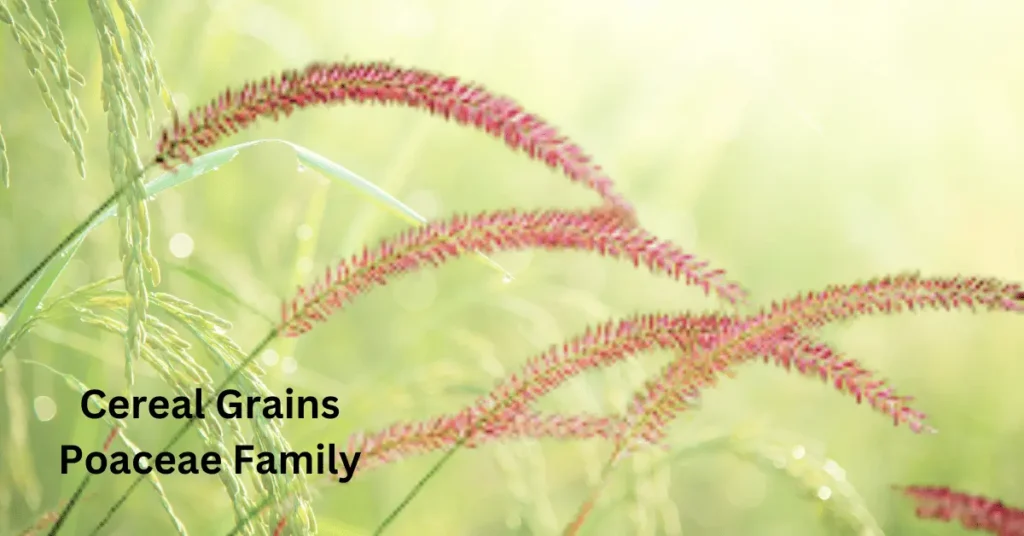
Simply put, millets are a group of cereal grains that belong to the Poaceae family, also known as the grass family.
These tiny grains have been a staple in many cultures for centuries, and in recent times, they’ve been recognized for their numerous health benefits.
Whether you’re looking to improve your diet or explore ancient grains, understanding the true meaning of millets can open up a world of delicious and nutritious possibilities!
What Does “Millets” Mean?
When we talk about “millets meaning,” we are referring to a diverse group of small, hardy cereal grains that come from plants in the Poaceae family, commonly known as the grass family.
This family includes a wide range of plants that produce edible seeds, and millets are just one of the many types.
The grains are often small, round, and vary in color, ranging from pale yellow to reddish-brown. Some of the most common types of millets include Pearl Millet, Finger Millet, Foxtail Millet, and Sorghum.
Millets are typically grown in regions with hot and dry climates, making them incredibly resilient and adaptable crops.
They require minimal water and can thrive in poor soil conditions, making them an ideal choice for farmers in drought-prone areas.
This also makes millets an environmentally sustainable option for agriculture, as they have a lower carbon footprint compared to other cereal grains like rice and wheat.
From a nutritional standpoint, millets are highly valued for their health benefits. They are gluten-free, rich in fiber, and packed with essential nutrients like vitamins, minerals, and antioxidants.
Due to their small size and diverse varieties, millets can be used in a wide array of culinary dishes, ranging from porridge to baked goods, salads, and even snacks.
In essence, when we talk about the “millets meaning,” we’re referring to a group of grains that not only have historical significance but also offer a multitude of health benefits, making them a great choice for modern diets.
Definition and Examples of Millets Meaning
Millets are a group of small, ancient grains that belong to the Poaceae family, also known as the grass family.
These grains are cultivated for their edible seeds, which are packed with essential nutrients and offer a variety of health benefits.
Millets are among the oldest cultivated crops in the world, with evidence of their consumption dating back thousands of years.
Today, they are gaining attention for their nutritional value, sustainability, and versatility in cooking.
Millets are not just one single type of grain, but rather a collection of different species, each with unique characteristics. Here are some of the most commonly known types of millets:
Pearl Millet (Pennisetum glaucum)
Pearl millet, also known as bajra in many parts of India, is one of the most widely grown millets. It is small, round, and usually light yellow or grayish-white in color. Pearl millet is known for its high iron content and is often used to make flour, porridge, and traditional breads.
Finger Millet (Eleusine coracana)
Finger millet, or ragi, is commonly grown in Africa and India. It is characterized by its small, reddish-brown grains that resemble tiny fingers. Finger millet is particularly high in calcium, making it an excellent choice for promoting bone health. It is often used in baked goods, porridge, and even as a drink.
Foxtail Millet (Setaria italica)
Foxtail millet is one of the oldest cultivated millets and is native to China. The grains are small and yellow, and the plant itself is characterized by a foxtail-like shape. Foxtail millet is rich in fiber, vitamins, and minerals, and is commonly used in rice-based dishes, salads, or as a breakfast cereal.
Sorghum (Sorghum bicolor)
Though often considered a separate grain from traditional millets, sorghum shares many characteristics with millets. It is an important crop in many regions, especially in Africa and Asia. Sorghum is used in a variety of ways, including in baking, brewing, and as an alternative to rice or quinoa.
Barnyard Millet (Echinochloa frumentacea)
Barnyard millet is known for its tiny white or grayish seeds. This millet is highly nutritious, being rich in fiber and low in glycemic index, making it a great choice for diabetic individuals. It is commonly used in making gluten-free bread, porridge, and salads.
Little Millet (Panicum sumatrense)
Little millet is small and round, with a light color. It is a staple in many parts of India and is used in dishes like upma (a savory dish) or in soups and salads. This millet is known for its low-calorie content and high fiber content.
In summary, millets are a diverse group of grains, each with its own unique characteristics and nutritional benefits.
The variety of millets available—such as Pearl Millet, Finger Millet, and Foxtail Millet—makes them a versatile addition to any diet, offering a range of flavors, textures, and health benefits.
From ancient times to modern-day kitchens, these grains have been a valuable food source and continue to provide a sustainable, nutritious option for people around the world.
Word Origin of Millets
The word “millet” traces its roots back to ancient languages and has evolved over time. Its etymology reveals how these grains, which have been cultivated for thousands of years, became integral to various cultures.
The word “millet” comes from the Old French word millet, which referred to a small seed or grain. This term, in turn, is believed to have been derived from the Latin word milium, meaning “millet” or “a small grain.”
The Latin milium itself may have originated from a pre-Roman language, possibly referring to the small size of the grain.
The word has been used in European languages to describe a variety of small, edible grains that are cultivated primarily for food.
Millets were cultivated by ancient civilizations, including those in China, the Indian subcontinent, and parts of Africa.
The grains were important in these regions as early as 2000 BCE. The term “millet” likely spread from these ancient civilizations to other parts of the world, reflecting the significance of these grains across various cultures.
In many languages, the word for millet reflects its role as a staple food. For instance:
- In Hindi and several Indian languages, millet is referred to as bajra (for Pearl Millet) or ragi (for Finger Millet).
- In Arabic, millets are often referred to as dura, a name that historically linked these grains to the Middle East and North Africa.
- In French, the word millet still refers to various types of millets, and it was likely through French explorers and traders that the word spread to other parts of Europe.
Millets have long been a part of traditional diets in various regions, and the word “millet” has evolved alongside these cultures, retaining its meaning as a small, hardy cereal grain that holds nutritional and cultural value.
FAQs
What are millets?
Millets are a group of small, hardy cereal grains that belong to the Poaceae (grass) family. They are cultivated for their edible seeds, which are highly nutritious and versatile. Millets include grains like Pearl Millet, Finger Millet, Foxtail Millet, and Sorghum, and they are commonly used in various culinary dishes such as porridge, bread, and salads.
Why are millets considered healthy?
Millets are considered healthy because they are rich in essential nutrients like fiber, vitamins, and minerals. They are particularly high in antioxidants, iron, magnesium, and calcium. Millets are also gluten-free, making them a great alternative for people with gluten sensitivities or celiac disease. Additionally, they have a low glycemic index, which can help in controlling blood sugar levels, making them beneficial for diabetics.
How do you cook millets?
Millets are very versatile and can be cooked in various ways. To cook millet, you typically rinse it under water, then cook it in a pot with water in a 1:2 ratio (1 cup millet to 2 cups water). Bring the water to a boil, reduce the heat, cover the pot, and simmer for about 15–20 minutes until the grains become tender and fluffy. Millets can be used as a base for salads, soups, or even baked goods. They can also be ground into flour to make gluten-free bread and other treats.
Are millets better than rice or wheat?
Millets are often considered a healthier alternative to rice and wheat due to their higher nutritional content. They are rich in fiber, vitamins, and minerals, which rice and wheat sometimes lack in comparison. Additionally, millets have a lower glycemic index, making them a better choice for those managing blood sugar levels. Unlike wheat, millets are also gluten-free, making them an excellent option for those with gluten intolerance or celiac disease.
Can millets be grown in any climate?
Millets are incredibly resilient crops that can be grown in a variety of climates, especially in areas with hot, dry conditions. They require less water than other grains like rice or wheat, making them a sustainable choice for regions that experience drought or have poor soil quality. Millets thrive in arid and semi-arid environments, making them particularly valuable in parts of Africa, India, and other regions with limited water resources.
Conclusion
In conclusion, millets are a group of small, nutritious grains that have been a staple food for thousands of years.
They are not only versatile in cooking but also packed with health benefits, from being rich in fiber and essential minerals to being a great gluten-free option.
With their ability to thrive in dry conditions, millets are also an environmentally friendly choice.
Whether you’re looking to add variety to your meals or boost your nutrition, millets are an excellent choice for a healthier diet.
So, next time you’re in the kitchen, consider adding these ancient grains to your recipes for a wholesome, tasty meal!
Extra Points
- Great for Weight Loss: Millets are high in fiber, which helps keep you feeling full for longer. This can be especially helpful if you’re trying to manage your weight. They are low in calories and a great option for healthy, balanced meals.
- Good for Heart Health: Millets are rich in antioxidants, which can help reduce the risk of heart diseases. They also contain healthy fats and magnesium, both of which are important for maintaining a healthy heart.
- Sustainable and Eco-Friendly: Millets require much less water compared to other grains like rice and wheat. This makes them a more sustainable crop, especially in areas with water scarcity. They’re also less dependent on chemical fertilizers, making them an eco-friendly option for farming.
- Versatile Ingredient: Millets can be used in a wide range of recipes. You can cook them as a whole grain, use them in soups, salads, or even grind them into flour for gluten-free baking. They can also be made into delicious snacks, porridges, or side dishes.
- Supports Digestive Health: The high fiber content in millets helps with digestion and prevents constipation. It also promotes a healthy gut by encouraging the growth of beneficial bacteria.