Apsent Meaning

Have you ever come across the word “apsent” and wondered what apsent meaning? If so, you’re not alone!
Many people use this term, but the real word they’re probably trying to use is “absent.” It’s a simple mix-up that happens when we type or speak quickly.
In this post, we’ll dive into the meaning of “apsent,” explain where it comes from, and show you how to use the correct word, “absent.”
Let’s clear up the confusion and make sure you’re always using the right term in your conversations and writing!
What Does It Mean?
The term “apsent” is a common misspelling of the word “absent.” In essence, both words convey the same idea, but “apsent” is not recognized as a correct word in the English language.
Absent refers to something or someone that is not present or is missing from a specific place, event, or situation.
It can be used to describe a person who is not attending a meeting, class, or event, or even to refer to something that is not available or not in a particular place.
It’s a term that helps explain the absence or lack of presence of something or someone.
For example:
“She was absent from school today because she was feeling unwell.”
“The item you requested is absent from the stock list.”
“Absence” is the noun form of “absent,” and it refers to the state of being absent. So, when someone uses “apsent,” they are likely intending to use “absent,” which has a clear and defined meaning in the English language.
To sum up, apsent does not have any meaning on its own. The correct word is absent, which indicates the absence or non-presence of a person or thing in a particular context.
Definition of “Apsent” Meaning
Since “apsent” is a misspelling, its intended meaning aligns with the word “absent.”
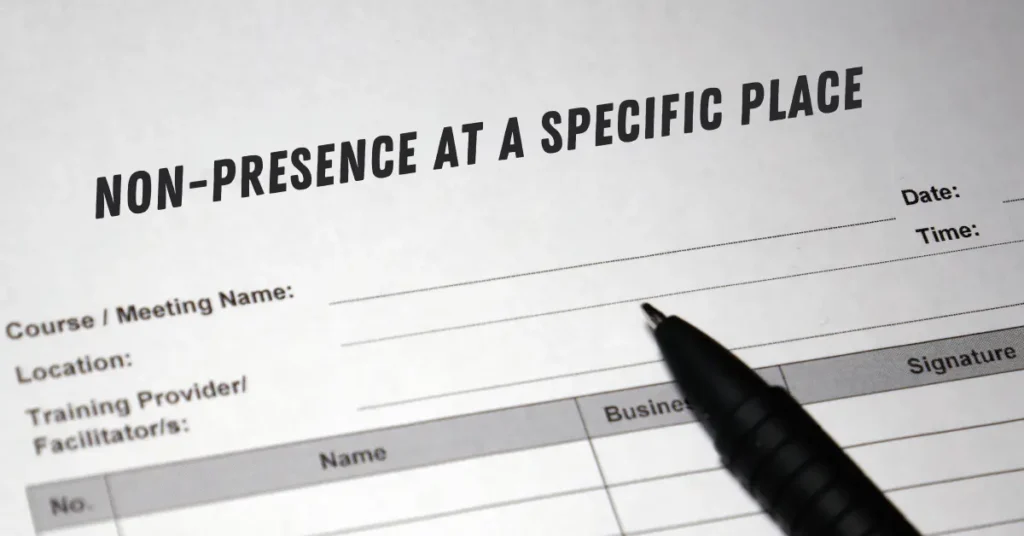
When we say someone is absent, we are describing their non-presence at a specific place, event, or situation.
While “apsent” is not a recognized word in the dictionary, it is often used mistakenly in place of “absent.” Therefore, understanding “apsent meaning” is really about understanding the intended meaning of “absent.”
“Absent” can be used in both formal and informal contexts to express that someone or something is missing or not in attendance.
For example:
“Absent” in a school or work context means someone is not present in class or at their job.
“Absent” in a location or situation means that a specific item or person is not at a place or event.
Examples of Apsent Meaning (Intended as “Absent”)
In a School Context
- Incorrect: “John is apsent from school today because of a cold.”
- Correct: “John is absent from school today because of a cold.”
In this case, “apsent” was mistakenly used instead of “absent” to indicate that John is not attending school due to illness.
In a Meeting
- Incorrect: “She was apsent at the meeting, so we couldn’t discuss her part.”
- Correct: “She was absent at the meeting, so we couldn’t discuss her part.”
Here, “apsent” is used in place of “absent” to describe someone missing from a meeting.
In a Classroom Setting
- Incorrect: “The teacher noticed that one of the students was apsent from the test.”
- Correct: “The teacher noticed that one of the students was absent from the test.”
In this example, “apsent” is incorrectly used to express that a student was not present for the test.
In a Context of Availability:
- Incorrect: “The item you requested is apsent from the store right now.”
- Correct: “The item you requested is absent from the store right now.”
“Apsent” is used here to mean that the item is unavailable or missing from the store.
In a Social Setting
- Incorrect: “Many of the invited guests were apsent from the party.”
- Correct: “Many of the invited guests were absent from the party.”
“Apsent” is incorrectly used to convey the idea that several guests did not attend the party.
In all of these examples, “apsent” is simply an incorrect spelling of “absent.”
The intended meaning is always the same: to describe something or someone that is not present in a particular place or event.
It’s important to use “absent” instead of “apsent” to ensure clear communication, especially in formal writing or professional contexts.
FAQs
Is “apsent” a real word?
No, “apsent” is not a real word. It is a common misspelling of the word “absent.” The correct term to use is “absent,” which refers to something or someone that is not present in a particular place or event.
What does “apsent” mean?
The meaning of “apsent” is essentially the same as “absent.” It refers to the absence or lack of presence of someone or something in a specific place, event, or situation. However, the correct word to use is “absent.”
Why do people use “apsent” instead of “absent”?
“Apsent” is typically a typographical error or a simple misspelling of the word “absent.” People might use it unknowingly or when typing quickly, but the correct spelling is “absent.”
Can “apsent” be used in formal writing?
No, “apsent” should not be used in formal writing, as it is a misspelling. The correct term to use is “absent,” which is widely recognized and understood in both formal and informal contexts.
How can I avoid making the mistake of using “apsent”?
To avoid using “apsent,” always double-check your spelling, especially when writing or typing quickly. You can also use spell-check tools in word processors to catch such errors and ensure you are using the correct term “absent.”
Conclusion
In conclusion, “apsent” is simply a misspelling of the word “absent,” which means not present in a place, event, or situation.
While “apsent” might be used by mistake, it’s important to remember that the correct word is “absent.”
Whether you’re writing or speaking, using the right spelling helps avoid confusion and ensures clear communication.
So, next time you need to express someone or something being missing, just remember to use “absent”—the right word for the job!
Extra Points
- Common Mistake: “Apsent” is a common typographical error, especially when typing quickly. It’s easy to confuse, but now you know the correct spelling is “absent.”
- Keep It Simple: If you’re unsure about spelling, it’s always a good idea to double-check. Simple tools like spell check can help you spot mistakes and make your writing clearer.
- Practice Makes Perfect: If you tend to use “apsent” by mistake, practicing the correct spelling of “absent” will help you remember it better over time.
- Stay Clear and Precise: Whether in writing or speaking, using the right word is important to avoid confusion. “Absent” is a widely recognized term, so it’s always a safe choice to use.
- Proofreading Helps: Always proofread your text before finalizing it. This simple step can catch small mistakes like “apsent” and ensure your writing is error-free.