Fingerring Meaning

Have you ever wondered about the true fingerring meaning? A ring on the finger is not just a beautiful piece of jewelry; it can carry a lot of significance.
From symbolizing love and commitment in marriage to representing personal achievements or even fashion choices, a finger ring can mean many things to different people.
Whether you’re wearing a simple band or an elaborate gemstone ring, it’s interesting to learn how this small accessory has such a big impact across cultures and traditions.
Let’s dive into the fascinating world of finger rings and uncover their deeper meaning!
What Does It Mean?
A finger ring is a circular band of metal, often worn around the finger, and it is one of the oldest forms of jewelry in human history.
Rings come in various shapes, sizes, and designs, with some featuring gemstones or intricate engravings. But beyond just being a decorative accessory, a fingerring often carries significant personal or cultural meaning.
At its core, a finger ring represents something more than just adornment. Rings have long been symbols of commitment, love, power, status, and achievement.
The fingerring meaning is deeply rooted in both emotional and social contexts.
Marriage and Commitment: Perhaps the most universally recognized fingerring meaning is its role in marriage.
The exchange of wedding rings symbolizes the lifelong bond and commitment between two people. The circle of the ring, with no beginning or end, is a representation of eternal love and the promise of never-ending devotion.
Engagement rings also share this meaning, symbolizing a promise to marry and a future together.
- Power and Status: In the past, finger rings were often worn as symbols of power and social status. Kings, queens, and nobles wore rings with seals or family crests to show their authority. The more elaborate and expensive the ring, the higher the status of its wearer. Even today, some rings continue to symbolize wealth or rank, such as signet rings, which are engraved with a unique design used to seal documents.
- Achievement and Recognition: Rings can also be worn to represent personal achievements or milestones. For instance, a class ring signifies graduation or academic success. Similarly, sports rings or championship rings are worn by athletes to celebrate victory or excellence in their respective fields.
- Fashion and Style: While many rings have deep symbolic meanings, they are also widely worn as fashion accessories. People often choose rings that reflect their personal style, adding a unique touch to their outfits. These rings can be made from various materials, such as gold, silver, platinum, or even stainless steel, and are sometimes adorned with diamonds or other precious stones.
In short, the fingerring meaning varies based on the individual, the context, and the culture. It can symbolize love, achievement, wealth, or simply be a personal expression of style.
Whether used for meaningful occasions or just for decoration, a finger ring is a powerful symbol that carries a rich history and tradition.
Definition of Fingerring Meaning
A finger ring is a circular band typically worn on the finger, often made of precious metals like gold, silver, or platinum, and sometimes adorned with gemstones or intricate engravings.
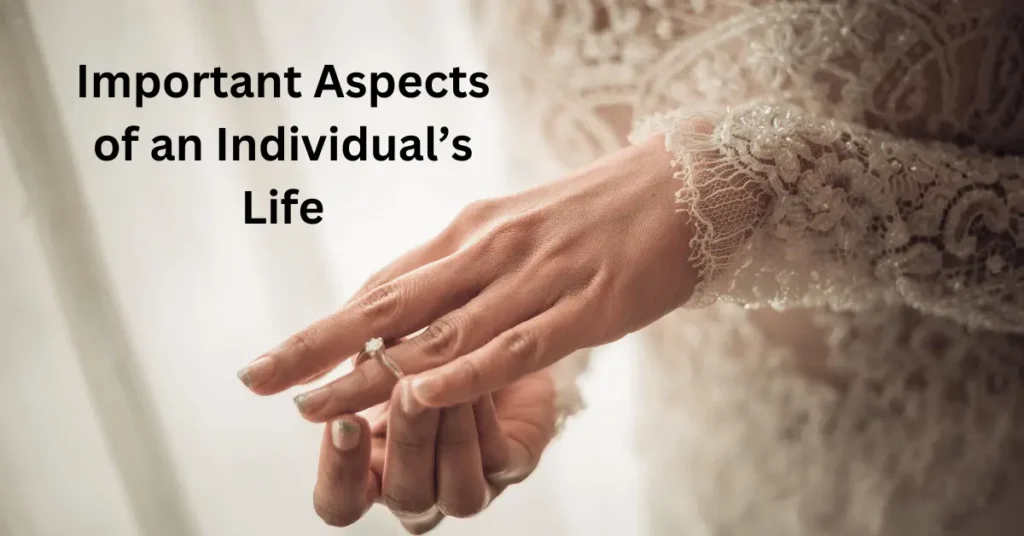
The fingerring meaning goes beyond just being an accessory; it often symbolizes important aspects of an individual’s life or culture, such as love, commitment, achievement, status, or even personal style.
In essence, a finger ring can represent a variety of emotions and concepts, depending on its design, purpose, and the occasion for which it is worn.
It is one of the most personal and symbolic forms of jewelry, often carrying deep emotional or cultural significance.
Examples of Fingerring Meaning
Wedding Rings The most well-known example of fingerring meaning is the wedding ring, which represents the lifelong commitment between two people.
Traditionally, couples exchange wedding rings during a marriage ceremony as a symbol of their love and devotion.
The circular shape of the ring, with no beginning or end, signifies eternal love. It’s not just an ornament; it’s a constant reminder of the vows taken and the shared life ahead.
Example: Sarah received a beautiful gold wedding band from her partner, John, on their wedding day. The ring now symbolizes their bond and commitment to one another.
Engagement Rings An engagement ring is typically given by one person to another during a proposal to signify the intention of marriage.
The fingerring meaning behind this ring is a promise of a future together. Engagement rings often feature diamonds or other precious stones, symbolizing both the rarity and lasting value of the relationship.
Example: When Jake proposed to Emma, he gave her a diamond engagement ring, symbolizing their commitment to spend their lives together.
Signet Rings Historically: signet rings were used as a symbol of authority and status, often by royalty or the wealthy. These rings were engraved with family crests, seals, or personal symbols and used to mark documents, such as letters or official papers, with a wax seal. Signet rings were a way to show one’s identity and power.
Example: The Duke of Lancaster proudly wore his family’s signet ring, which bore the coat of arms, to seal all official letters with his signature.
Class Rings: A fingerring meaning associated with academic achievement can be seen in class rings. These rings are typically worn by students to commemorate their graduation from high school or college. Often engraved with the year of graduation or the institution’s logo, class rings symbolize personal achievement and the completion of an important chapter in a person’s life.
Example: After graduating from university, Mark wore his class ring with pride. It not only symbolized his hard work but also reminded him of the friends and experiences he gained during his time in college.
Friendship Rings: Friendship rings are exchanged between friends as a symbol of their bond. These rings are often simple in design, but their meaning is powerful: they represent trust, loyalty, and a deep friendship. People may wear these rings to remind themselves of the connection they share with someone important in their lives.
Example: Lucy gave her best friend, Emma, a silver friendship ring to celebrate their enduring bond. They both wore their rings as a reminder of the love and loyalty they had for one another.
Fashion Rings: Not all finger rings have symbolic meanings. Some are worn purely for decorative purposes and to make a fashion statement. Fashion rings are typically chosen to match outfits, showcase personal style, or follow trends. These rings can be made from a variety of materials, from inexpensive metals to high-end designer pieces.
Example: Mia wore a bold statement ring with a large sapphire stone to complement her evening dress. While it had no deep meaning, it certainly made her feel confident and stylish.
In summary, the fingerring meaning can range from profound and emotional symbols of love and commitment to simpler representations of style and achievement. Whether it’s a wedding ring, a signet ring, or a fashion accessory, finger rings are an enduring symbol of many aspects of life.
History of Fingerring Meaning
The history of finger rings is as rich and varied as the many cultures and societies that have used them throughout history.
From ancient times to the present day, the fingerring meaning has evolved, shifting from practical uses to powerful symbols of love, status, achievement, and personal expression.
Here’s a detailed look at how finger rings have evolved and the meanings attached to them across time:
Ancient Beginnings
The history of rings dates back over 6,000 years to ancient civilizations, where they were worn as a symbol of status, authority, and identity.
The earliest known finger rings were created by the ancient Egyptians, who crafted rings from various materials such as bone, ivory, wood, and metal.
These rings were not just ornaments; they served functional purposes, such as sealing letters or marking ownership.
Egyptian Civilization: Rings in ancient Egypt were often inscribed with hieroglyphs and used as symbols of power.
Pharaohs wore elaborate rings to signify their royal authority, and they were often depicted in artwork wearing rings on their fingers.
Additionally, Egyptians believed that the ring’s circular shape represented eternity, which later became an enduring theme in the symbolism of rings.
Mesopotamia and Greece: In ancient Mesopotamia and Greece, rings began to take on more symbolic meanings. For the Greeks, rings were used to signify social rank and were often given as gifts to signify trust or friendship.
The Greeks also developed the concept of the signet ring, a ring engraved with a personal symbol or family crest, used to seal documents with wax, marking them as authentic and official.
Roman Influence
The Roman Empire played a significant role in shaping the history of finger rings. Romans used rings to signify their position in society, and over time, the symbolism behind these rings became more complex.
- Roman Society: Roman men of high social rank wore gold rings to demonstrate their elite status, while lower-class citizens were prohibited from wearing gold. These rings were often used for practical purposes, such as sealing documents or marking ownership, but they were also worn as personal symbols of wealth and power.
- Marriage Rings: The tradition of using rings to symbolize marriage is believed to have originated with the Romans. In Roman times, iron rings were exchanged as a sign of commitment between spouses. This practice laid the foundation for modern wedding rings, where the circular shape came to symbolize eternal love and commitment. The Roman wedding ring was often worn on the fourth finger of the left hand, a tradition that continues today in many cultures.
Middle Ages and Renaissance
In the Middle Ages, rings took on even greater symbolic significance. Kings, queens, and the nobility used rings to demonstrate their authority, while the church also embraced rings as a symbol of religious devotion.
- Medieval Europe: During the Middle Ages, church rings became popular. Bishops and religious figures often wore rings to signify their position and commitment to the church. These rings were usually adorned with religious symbols, such as crosses or saints’ images, and they were worn as a mark of their sacred vows. Meanwhile, the tradition of betrothal rings continued, with rings being exchanged between couples as a symbol of engagement.
- Renaissance: The Renaissance period saw a resurgence in the popularity of rings among the upper classes. Wealthy individuals wore rings set with precious gemstones, and these rings often featured elaborate designs. Signet rings became an essential tool for individuals of high status, used to seal documents and make a mark of authenticity. During this time, rings were also seen as symbols of knowledge, with many scholars and intellectuals wearing them as a mark of their education.
Modern Times
In modern history, the fingerring meaning has continued to evolve, but the core symbolism of love, commitment, and achievement has remained strong.
- Wedding and Engagement Rings: In the 20th century, wedding and engagement rings became universally recognized symbols of love and commitment. The diamond engagement ring, popularized in the 1930s by the De Beers diamond company, became a symbol of lasting love and wealth. Wedding rings, typically simple bands, continue to be exchanged in ceremonies as a representation of eternal love and fidelity.
- Fashion Rings: In the modern era, fashion rings have become a popular way to express personal style. These rings are often worn for decorative purposes and can reflect the wearer’s individual tastes. Jewelry designers today continue to create rings that cater to various styles, from minimalist bands to bold statement pieces.
- Technological Influence: The rise of wearable technology has also introduced a new form of finger rings, such as smart rings. These modern rings often combine fashion with functionality, offering features like fitness tracking or digital payment capabilities. Although their primary function may not be symbolic in the traditional sense, they represent the merging of style and technology.
Throughout history, finger rings have held significant meaning in different cultures and societies.
From the ancient Egyptians to modern-day wedding bands, the fingerring meaning has symbolized power, commitment, love, and achievement.
The enduring nature of rings as a form of jewelry speaks to their timeless significance, with each generation continuing to add new layers of meaning to this ancient tradition.
Whether a simple gold band or an elaborate gemstone ring, the finger ring remains one of the most powerful and personal symbols in human culture.
FAQs
What is the significance of a finger ring?
A finger ring holds various meanings depending on its use and context. Most commonly, rings symbolize commitment, such as in the case of wedding or engagement rings, representing eternal love and partnership. They can also signify status, achievement, or personal style, making them a versatile and meaningful form of jewelry. In history, rings were used as seals or symbols of power, wealth, and authority.
Why is the wedding ring worn on the fourth finger of the left hand?
The tradition of wearing a wedding ring on the fourth finger of the left hand dates back to ancient Roman times. The Romans believed that the “vena amoris” (vein of love) ran directly from this finger to the heart, symbolizing the eternal love and connection between spouses. Although the belief in this vein has been debunked scientifically, the tradition continues today in many cultures.
What is the difference between an engagement ring and a wedding ring?
An engagement ring is given when a person proposes marriage, symbolizing a promise to marry in the future. It often features a prominent diamond or gemstone. A wedding ring, on the other hand, is exchanged during the marriage ceremony itself and symbolizes the couple’s commitment to each other. Wedding rings are typically simpler, often in the form of a plain band.
Can a finger ring have different meanings in different cultures?
Yes, the meaning of a finger ring can vary across cultures. For example, in some cultures, a signet ring represents family heritage and authority, while in others, it may symbolize social status or personal achievements. Wedding and engagement rings are common symbols of love and commitment in many cultures, but the design and materials used may differ. Some rings also have religious significance, such as those worn by clergy members to show their spiritual vows.
Are fashion rings considered to have any meaning?
While fashion rings are typically worn for decorative purposes and personal style, they can still carry meaning. Some people wear fashion rings to make a statement or express their identity, interests, or beliefs. For instance, a ring with a certain symbol may represent personal empowerment or a connection to a particular cause. Though not always deeply symbolic like wedding or engagement rings, fashion rings can still be meaningful in their own right.
Conclusion
In conclusion, fingerring meaning is much more than just an accessory. Throughout history, finger rings have symbolized love, commitment, power, achievement, and personal style.
Whether it’s a wedding band, an engagement ring, or a fashion ring, these rings hold deep emotional or cultural significance.
They continue to serve as powerful symbols in modern life, representing everything from eternal love to personal milestones.
No matter the occasion, a finger ring remains a timeless and meaningful part of human tradition.
Extra Points on Fingerring Meaning
- Personal Expression: Beyond tradition and symbolism, finger rings are a great way to express your personal style. Whether it’s a bold statement piece or a simple band, the ring you wear can reflect your personality and preferences.
- Gift Giving: Finger rings make for meaningful gifts on special occasions like birthdays, anniversaries, or celebrations. Giving a ring can be a powerful gesture, showing love, appreciation, or friendship.
- Cultural Variations: Different cultures have unique practices when it comes to finger rings. For example, in some cultures, engagement rings are worn on the right hand instead of the left, and some rings are worn only on certain fingers to signify different meanings.
- Materials and Designs: Rings can be made from various materials, including gold, silver, platinum, and even less traditional ones like titanium or wood. The design can range from simple bands to elaborate ones with intricate designs and gemstones, making each ring unique.
- Rings as Heirlooms: Many families pass down rings through generations, making them treasured heirlooms. These rings carry sentimental value and represent family history and continuity.